








































%20and%20Batch%20Production%20Records%20(BPR).png)















OAGB Outperforms Sleeve Gastrectomy in Super-Obese Patients at 5 Years: Study
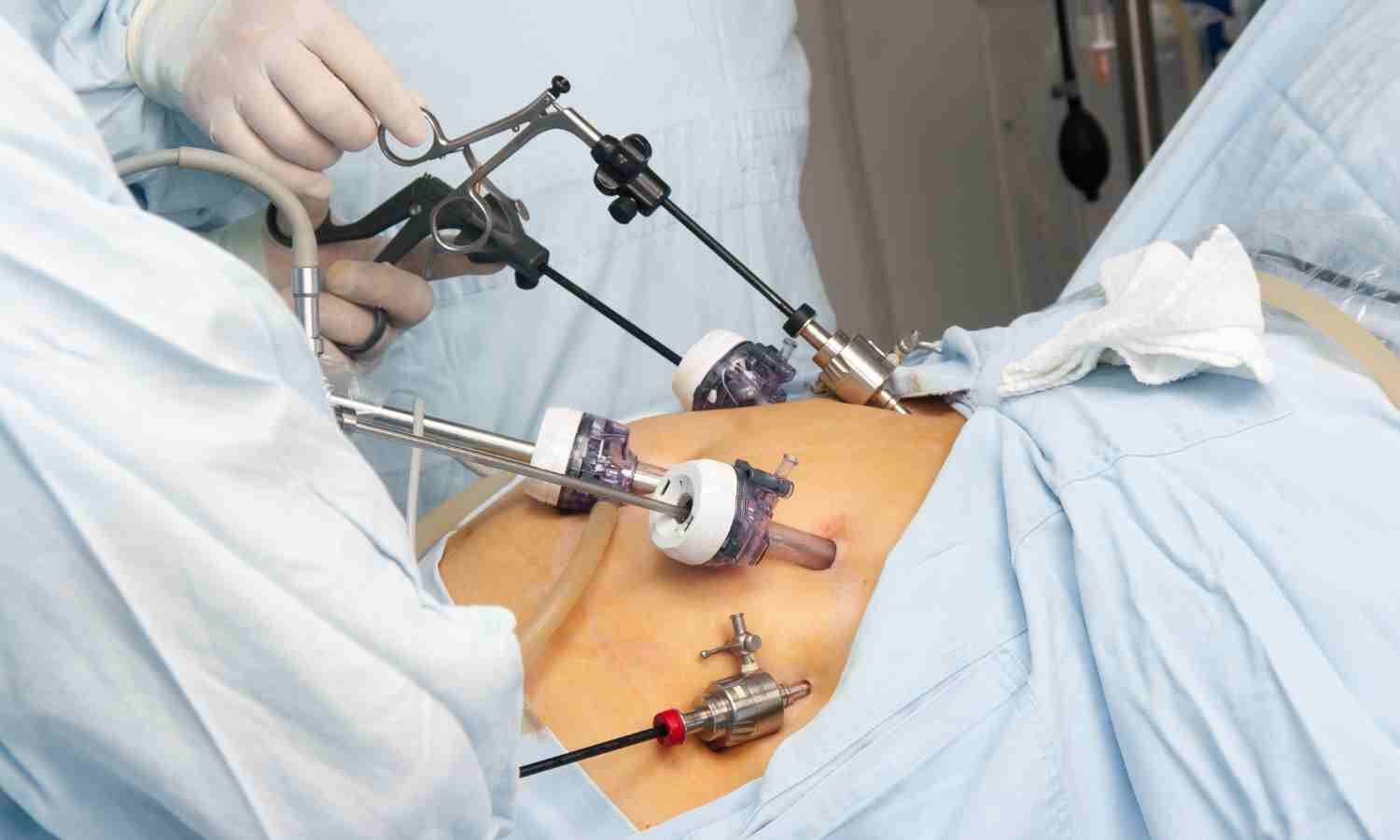

Israel: Metabolic and bariatric surgery remains the most effective intervention for individuals with severe obesity, yet the ideal surgical strategy for patients with a body mass index (BMI) of 50 kg/m² or higher continues to be debated. A new study, published in Obesity Facts by Adi Litmanovich from the Division of General Surgery at Tel Aviv Sourasky Medical Center, Israel, and colleagues, offers fresh insights by comparing the long-term outcomes of one-anastomosis gastric bypass (OAGB) and sleeve gastrectomy (SG) in this high-risk population.
The study found that both OAGB and SG are safe and effective for patients with BMI ≥50 kg/m², but OAGB offers greater long-term weight loss and fewer conversion surgeries. Further research is needed to refine surgical approaches in severe obesity.
The investigators conducted a retrospective review of a prospectively maintained database, including patients with BMI ≥50 kg/m² who underwent either OAGB or SG between 2015 and 2024 at a tertiary care center. Individuals who had undergone prior bariatric procedures were excluded. The analysis assessed perioperative safety, long-term weight loss, need for revision surgery, and resolution of obesity-related comorbidities.
The key findings were as follows:
- A total of 121 patients were included in the analysis, comprising 76 who underwent sleeve gastrectomy (SG) and 45 who underwent one-anastomosis gastric bypass (OAGB).
- The mean preoperative BMI was significantly higher in the SG group (55 ± 5.4 kg/m²) compared to the OAGB group (52.2 ± 2.7 kg/m²).
- The proportion of male patients was lower in the SG cohort than in the OAGB group.
- Ninety-day postoperative complication rates were comparable between SG and OAGB (14.5% vs. 11.1%).
- Major complications were uncommon, occurring in 2.6% of SG patients and none in the OAGB group.
- One perioperative mortality (1.3%) was reported in the SG group.
- At five-year follow-up, OAGB resulted in significantly greater total weight loss compared to SG (36.7% vs. 27.1%).
- Both procedures led to marked improvement in obesity-related comorbidities.
- Resolution of hypertension was significantly higher in patients who underwent OAGB.
- The rates of improvement in other obesity-related conditions were largely similar between the two groups.
- Conversion surgery was more frequently required after SG than OAGB (9.1% vs. 2.6%), although the difference was not statistically significant.
- Most conversion procedures in the SG group were performed due to weight regain, indicating potentially better long-term weight loss durability with OAGB.
The authors noted limitations, including the retrospective, single-center design, potential follow-up loss, and use of obesity medications that may have influenced results. However, strengths include a well-defined cohort, standardized procedures by experienced surgeons, and long-term follow-up.
Overall, the findings suggest that while both SG and OAGB are safe and effective options for individuals with BMI ≥50 kg/m², OAGB may offer superior long-term weight loss and reduced need for revisional surgery. The researchers emphasize the need for larger, multicenter prospective trials to validate these observations and guide surgical decision-making in patients with class IV and class V obesity.
Reference:
Adi Litmanovich, Amit Netzer, Avner Leshem, Andrei Keidar, Shai Meron Eldar, Guy Lahat, Adam Abu-Abeid; Long-Term Outcomes of One-Anastomosis Gastric Bypass in Class IV and Class V Obesity: A Comparative Analysis with Sleeve Gastrectomy. Obes Facts 2 February 2026; 19 (1): 1–11. https://doi.org/10.1159/000547167
Apa Reaksi Anda?
 Suka
0
Suka
0
 Kurang Suka
0
Kurang Suka
0
 Setuju
0
Setuju
0
 Tidak Setuju
0
Tidak Setuju
0
 Bagus
0
Bagus
0
 Berguna
0
Berguna
0
 Hebat
0
Hebat
0

Edusehat
Platform Edukasi Online Untuk Komunitas Kesehatan Agar Mendapatkan Informasi Dan Pengetahuan Terbaru Tentang Kesehatan Dari Nasional Maupun Internasional. ||
An online education platform for the health community to obtain the latest information and knowledge about health from both national and international sources.