
































































Only 41% of patients know dentists check for mouth cancer
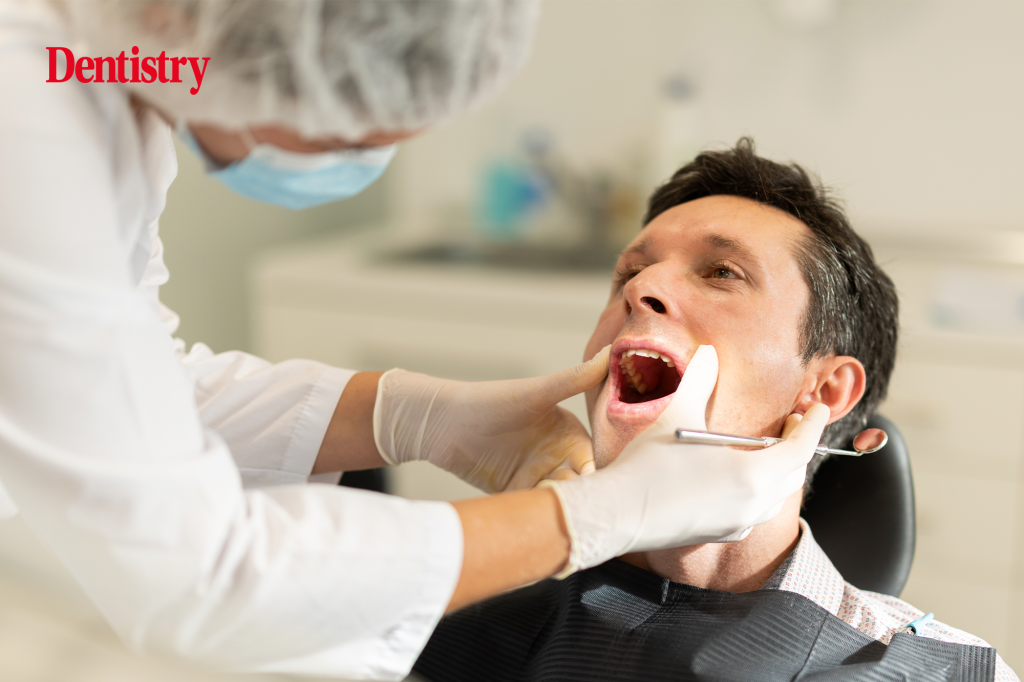
Only 41% of surveyed adults knew dentists routinely checked for mouth cancer, according to a new report. Neil Sikka says dental teams should make this work more visible and continue the conversation beyond November’s Mouth Cancer Action Month.
The Oral Health Foundation report found that 71% of surveyed adults had never checked their own mouth, while only 41% knew that dentists checked for mouth cancer.
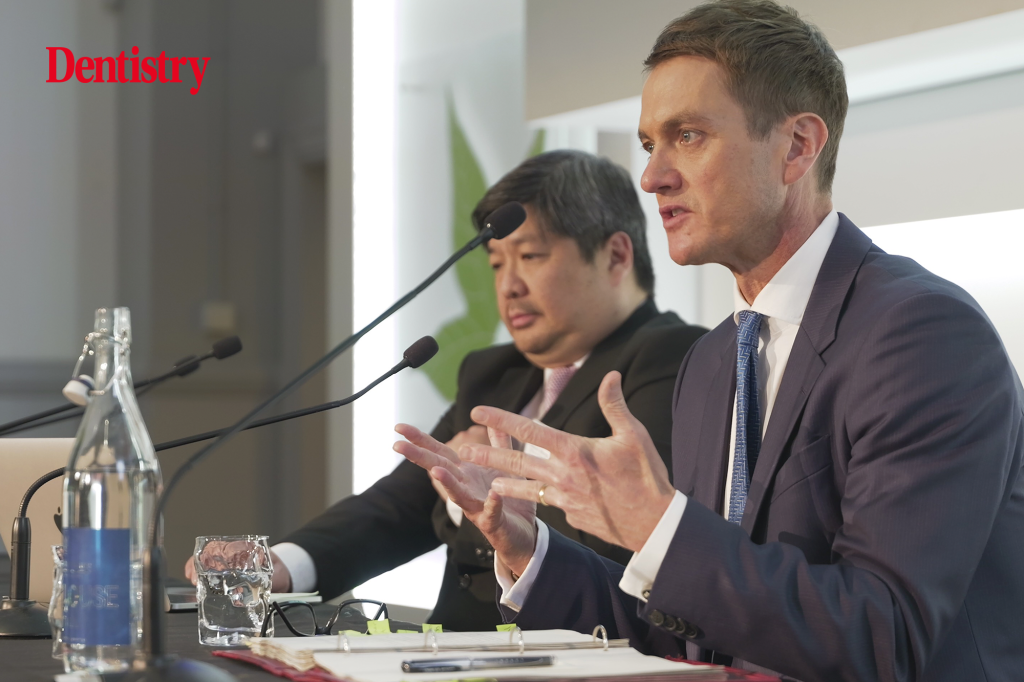
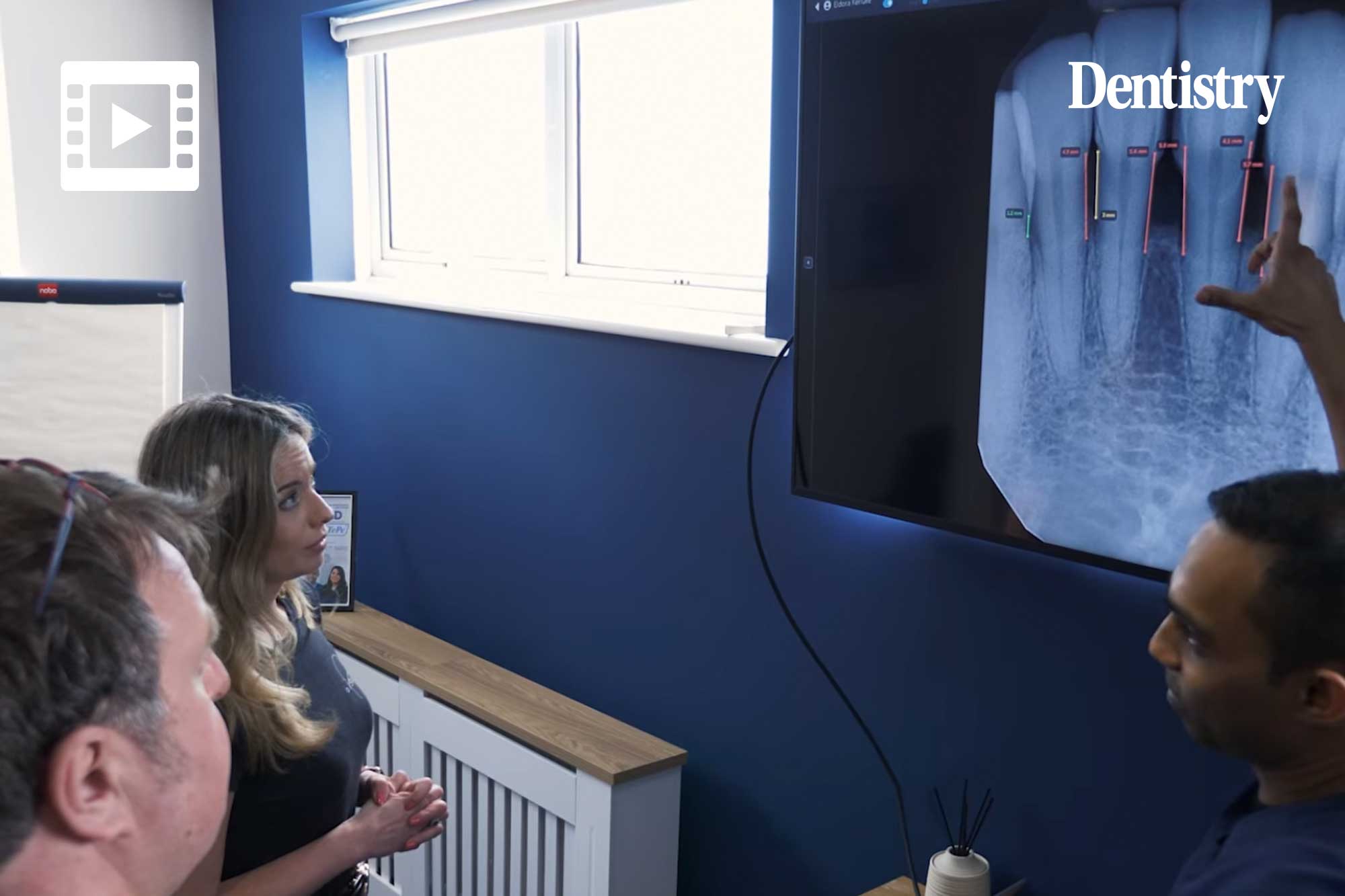
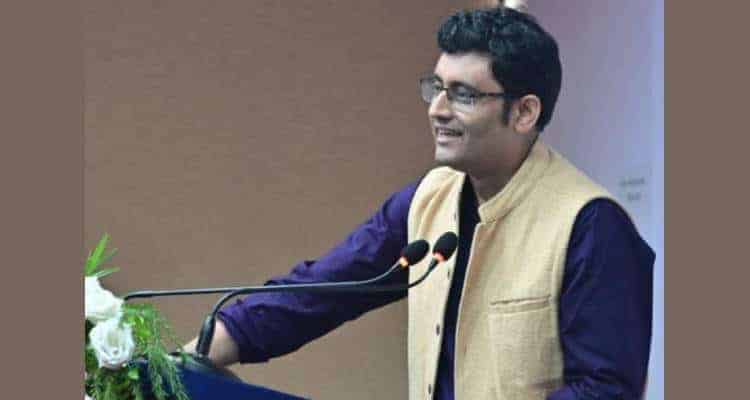
Neil Sikka, director of dentistry at Bupa Dental Care, said dental teams could begin closing that awareness gap during routine appointments.
‘Most people don’t even realise that we do an oral cancer screen as part of our normal check-ups,’ he said.
‘You go into your dentist, they ask you to stick your tongue out, they have a look underneath it and ask you to go “ah” because we’re looking at your throat. We’re having a look around your whole mouth and feeling the glands underneath your jaw.
‘It takes us three to five minutes maximum, but if we can spot something, we can make an enormous difference to people’s lives.’
Dr Rachael England, Head of Policy and Advocacy at the Oral Health Foundation and co-author of the report, said: ‘Too many people still don’t realise that mouth cancer checks are a routine part of dental appointments, which is why making these conversations more visible is so important. Earlier diagnosis can make a significant difference to outcomes, and raising awareness shouldn’t stop after November.’
But those checks depend on patients attending. The Bupa Wellbeing Index 2026 found that 20% of UK adults surveyed had reduced, delayed or cancelled dental care to save money during the previous 12 months.
Make mouth cancer checks visible
Sikka said dental teams should tell patients when the mouth cancer examination was taking place and explain its value.
The clinical sequence may vary, but an assessment generally includes the face, neck, lips, oral soft tissues, throat and area beneath the tongue. A patient’s history, including tobacco and alcohol use, also informs the examination.
Bupa Dental Care provides mouth cancer learning modules for its clinicians alongside the training and continuing professional development undertaken across the profession.
However, Sikka said communicating the examination was as important as performing it.
‘We’re one of the very few professions where people voluntarily come once or twice a year to check that their oral health is okay,’ he said.
‘How often do people go to the doctor and say, “I just want you to check that my health is okay”? We’re in an incredibly privileged position to promote prevention.’
Explaining why the tongue is being moved, why the neck is being palpated and what changes are being checked can help patients understand the wider value of a dental appointment. It also provides an opportunity to discuss the signs they should look for between visits.
Dentistry recently updated its clinical guide to performing a mouth cancer examination.
The Oral Health Foundation report said historical figures for oral-cavity cancer in England showed five-year survival above 85% following a stage-one diagnosis, compared with 35% at stage four.
When a suspicious change is found
Sikka recommended recording suspicious changes clearly and taking a clinical photograph where appropriate.
Patients can be referred through the NHS urgent suspected cancer pathway whether they attended an NHS or private dental practice. Bupa also provides a private referral route to Cromwell Hospital for patients who choose it, although Sikka said most referrals entered the NHS pathway.
Patients should understand why they are being referred, what should happen next and who to contact if an appointment does not arrive. The clinical record should document the finding, advice, referral and subsequent follow-up.
Dentistry’s on-demand webinar, Oral cancer: avoiding delay in diagnosis, explores documentation and referral risks in more detail.
Could technology change mouth cancer detection?
Sikka expected technology to support clinical assessment, although adjunctive tools could not independently diagnose mouth cancer.
In July, Dentistry reported on a brush biopsy being developed to detect mouth cancer in under one hour. Researchers said it could provide a non-invasive way to triage and monitor suspicious lesions, but it has not entered routine clinical use.
Sikka also expected artificial intelligence to become better at assessing clinical images and identifying lesions that may require further investigation.
He pointed to the potential for saliva to provide information about oral and systemic health.
‘I do believe that saliva is the biomarker of the future,’ he said.
‘It’s already starting to tell us so much about disease as a whole, and I think it’s going to give us indications of much more, including potentially the changes in your mouth when you’re developing oral cancer.
‘I’m postulating here, but I see the development of saliva as a very central part of that.’
Bupa already provides saliva-based genomic services assessing how individuals may respond to certain medicines and their inherited risk of selected conditions. These are not mouth cancer tests.
Any future diagnostic application would require evidence that it could identify clinically meaningful changes without creating false reassurance or unnecessary referrals.
Beyond November
Importantly, Sikka said mouth cancer communication should not end with the annual campaign.
‘It’s not something you just do for a month. It’s something you should be doing every day,’ he said.
‘I would love for us to continue throughout the year, not by shoving it down people’s throats, but with gentle reminders of what people can do in a simple way to stay healthy.’
This could begin with a brief explanation during every dental examination: what has been checked, why it matters and which changes should prompt the patient to seek advice.
Sikka also called for dental professionals, charities and public and private healthcare organisations to work together on year-round communication.
‘Nobody can do it on their own,’ he said. ‘If the profession works together with healthcare bodies and the Oral Health Foundation, we’re going to save some lives.’
Create a free account for unlimited access — plus the Dentistry Bulletin delivered to your inbox.
Apa Reaksi Anda?
 Suka
0
 Kurang Suka
0
 Setuju
0
 Tidak Setuju
0
 Bagus
0
 Berguna
0
 Hebat
0