
















































%20and%20Batch%20Production%20Records%20(BPR).png)















Periodontal ligament-integrated implants show early promise in small Japanese study
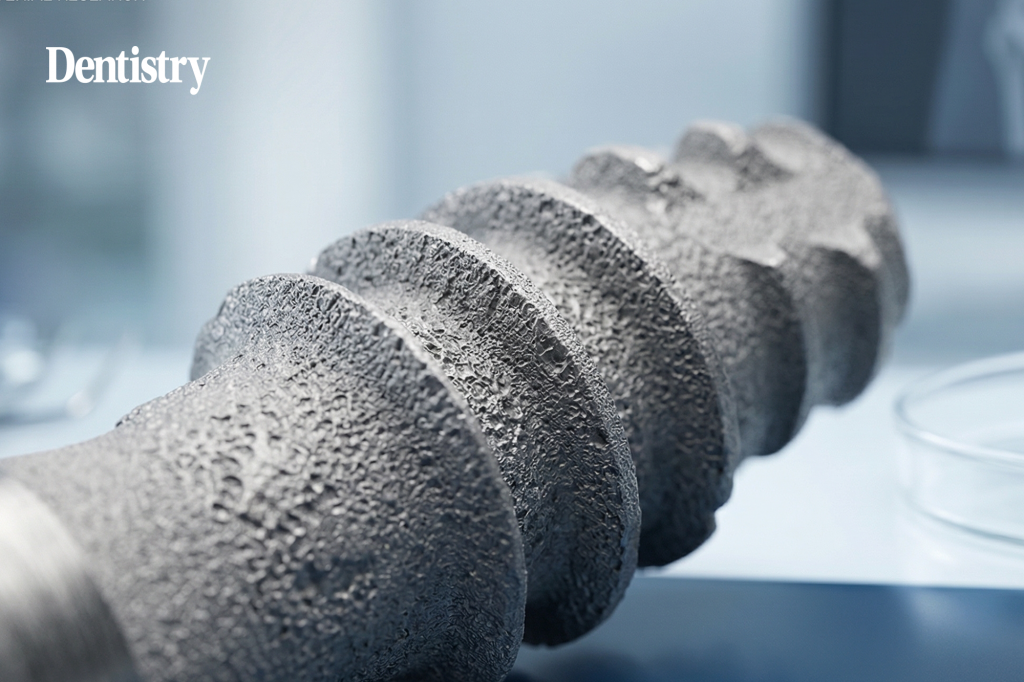
A small Japanese clinical study has reported early progress for a new type of dental implant designed to connect with the jawbone via periodontal ligament tissue, rather than through conventional osseointegration alone.
The study, led by Southern Tohoku Medical Clinic and its maxillofacial implant centre in Fukushima, Japan, began in February 2025. Patient registration closed in October 2025, with periodontal ligament-integrated implants placed in four patients.
According to an interim progress report, three patients had completed a 24-week postoperative engraftment assessment, while the fourth had completed an 18-week assessment.
The researchers said all four cases had so far shown test values close to those of natural teeth, although the supplied release did not specify the measurement criteria. They also reported early indications of engraftment into the jawbone.
No swelling, bleeding or reduction in gingival level had been reported at the implant sites up to 24 weeks after surgery. The researchers also said no pain had been recorded in any case using the Numerical Rating Scale, and no device-related problems had been identified.
Why the approach matters
Conventional dental implants already have high survival rates and are widely used with predictable outcomes in clinical practice. However, they integrate directly with bone and do not recreate the periodontal ligament found around natural teeth.
The periodontal ligament plays an important role in supporting the tooth, absorbing force and providing sensory feedback. For this reason, researchers have long been interested in whether implant designs could more closely replicate the biological relationship between natural teeth and alveolar bone.
Similar periodontal ligament implant concepts have been explored before, but translating them into predictable long-term clinical stability has remained challenging.
The Japanese research group said the investigational implant was designed to connect to the alveolar bone via periodontal ligament tissue remaining in the extraction socket.
Early-stage evidence
The findings remain preliminary. The interim report covered only four patients, with no comparator group described in the supplied release and no final outcome data yet available. The findings were reported in an institutional progress release rather than a peer-reviewed paper, meaning the results should be interpreted as early-stage clinical reporting rather than established evidence.
A key biological question remains whether retained periodontal ligament tissue can form a stable, functional attachment around an implant over time.
The study is due to continue until 44 to 48 weeks postoperatively, when final engraftment and safety assessments are expected to be completed.
By 36 weeks, the researchers plan to remove the side screw and device connected to the implant, allowing the periodontal ligament-integrated implant to be monitored independently in the oral cavity.
For clinicians in the UK and Ireland, the report is unlikely to change practice at this stage. However, it may be of interest to implant dentists, periodontists and oral surgeons following developments in biomimetic implant design and future alternatives to conventional osseointegration.
Follow Dentistry.co.uk on Instagram to keep up with all the latest dental news and trends.
Apa Reaksi Anda?
 Suka
0
Suka
0
 Kurang Suka
0
Kurang Suka
0
 Setuju
0
Setuju
0
 Tidak Setuju
0
Tidak Setuju
0
 Bagus
0
Bagus
0
 Berguna
0
Berguna
0
 Hebat
0
Hebat
0