














































%20and%20Batch%20Production%20Records%20(BPR).png)













AI Protein Engineering Model Designed for Biomanufacturing
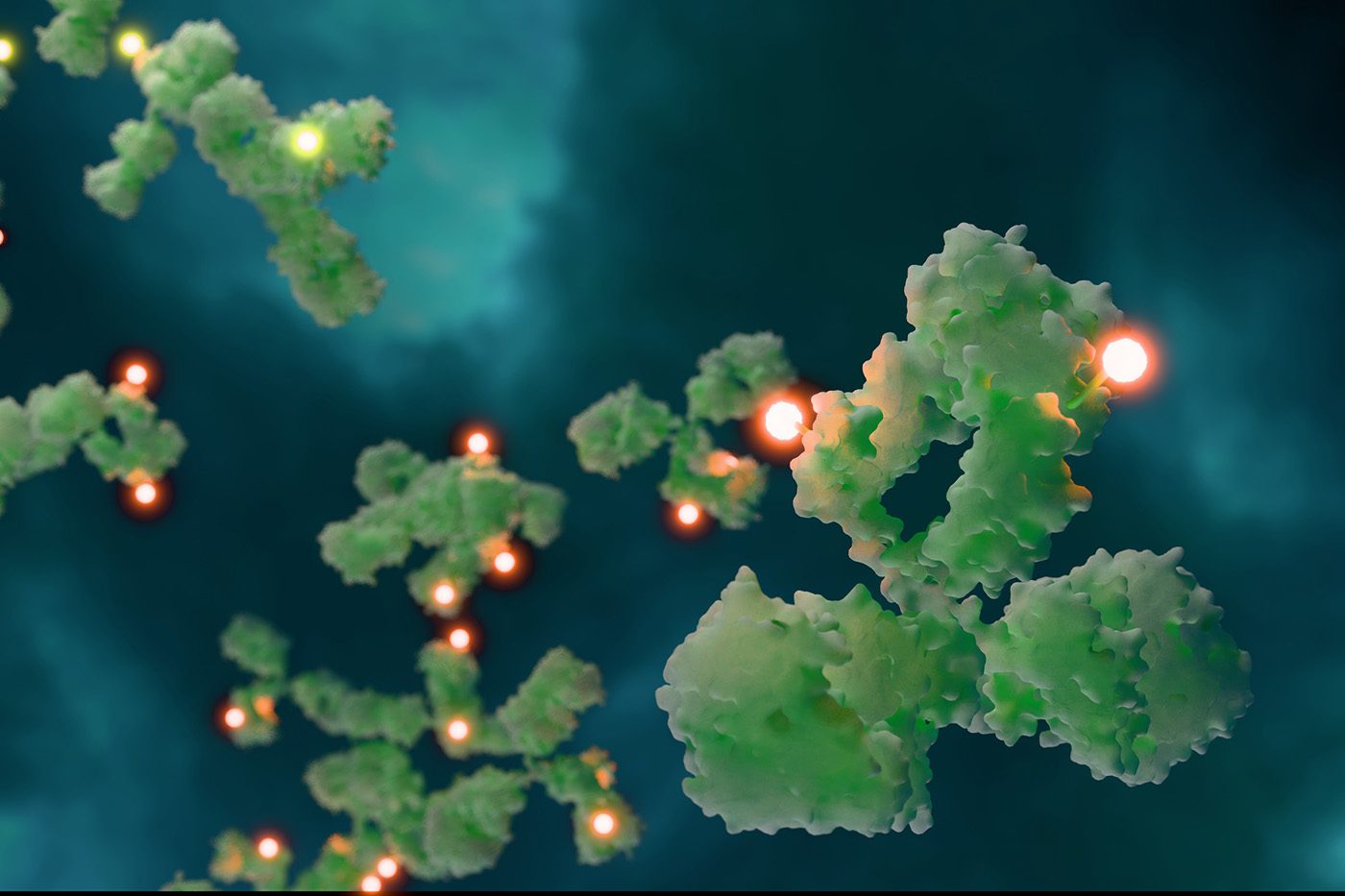
A cell engineering model designed specifically for the biomanufacturing environment could go a long way toward optimizing host cell performance, reducing development timelines, and streamlining biomanufacturing platform design.
“There’s a real challenge in determining how to engineer a host cell’s genome to maximize its performance in a biomanufacturing application.” That’s the difficulty laid out by Shawn Manchester, PhD, CEO, Triplebar Bio, and a view that’s shared by Yun Song, PhD, professor, University of California, Berkeley, and the industry innovation organization BioMADE. The three, with support from the National Science Foundation, are developing such an AI-informed cell engineering model to solve that challenge.
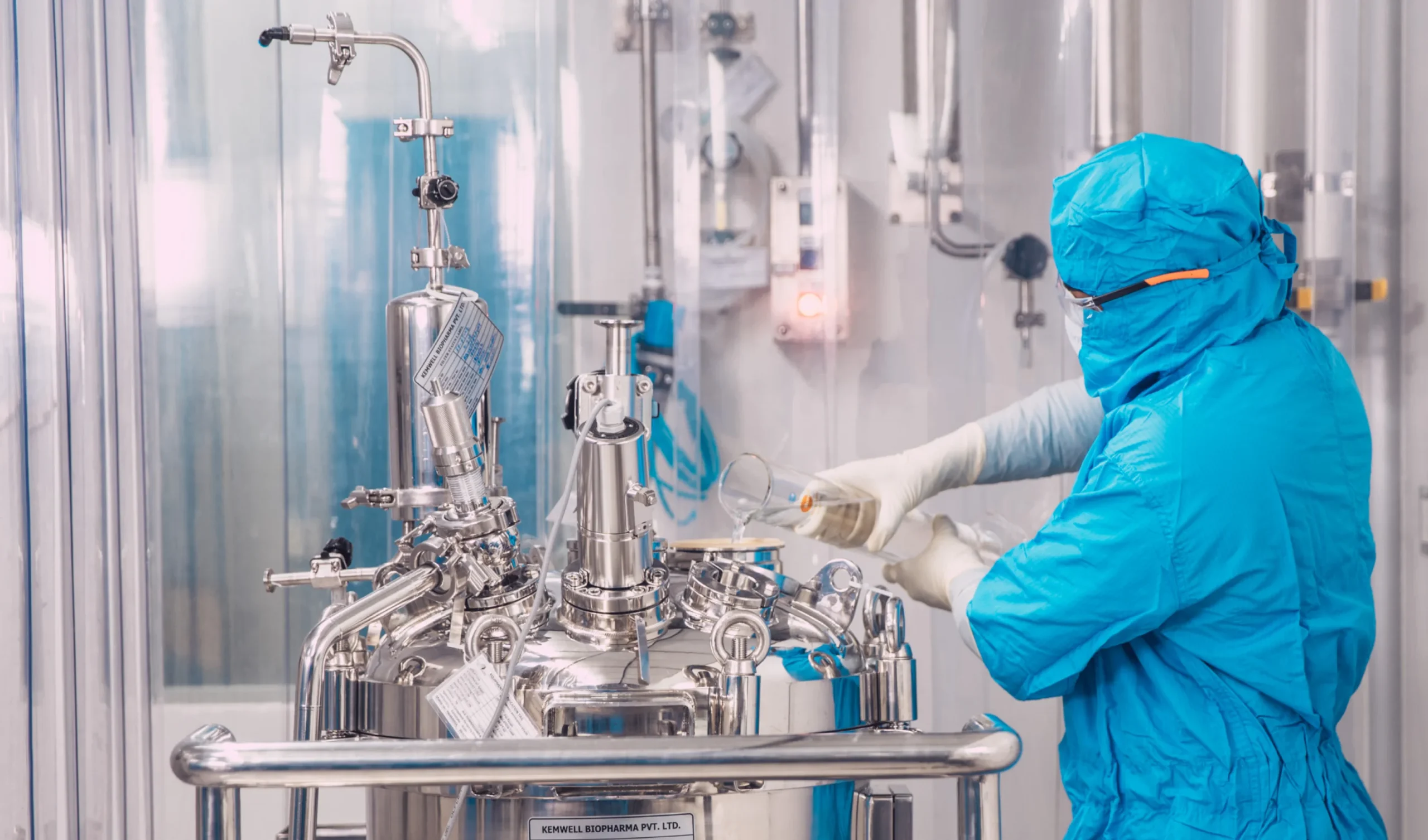
What’s most notable is that this AI-informed predictive and optimization model focuses on the biomanufacturing environment. The large-scale, application-specific training database is being designed to handle bench- to commercial-scale biomanufacturing.
Biomanufacturing-relevant environment
As Manchester says, “There aren’t a lot of organisms that have naturally evolved to make proteins they’ve never seen before, in an environment they’re not well-evolved for. Our ability to generate data in a setting that is relevant to biomanufacturing and to do so at the scale of hundreds of thousands of cells and data points is innovative…and it’s not something that many others are looking at. Most people are working on AI for protein engineering of therapeutics and other molecules as opposed to cell engineering for use in biomanufacturing.”
This project focuses on data capture from Pichia pastoris as the host cell producing five different proteins that are relevant for bioprocessing, food production, and defense. The learnings will be incorporated into Triplebar’s other programs, too, including optimization for its Chinese hamster ovary (CHO) cells, Manchester says.
“Improving the scalability of these proteins directly benefits [not just bioindustrial or biopharmaceutical applications, but a broad range of] biomanufacturing,” Brandon Simmons-Rawls, program manager, BioMADE, emphasizes.
This AI project combines two core technologies deployed at Triplebar:
- Droplet microfluidics, in which a cell is encapsulated in a water and oil emulsion alongside a fluorescent-based sensor to quantify protein production
- Multimodal transformer-based AI model
The genomes and transcriptomes of cells that make either more or less protein than baseline are sequenced and fed into the AI’s very large, labeled training sets to identify correlations between genotypes and phenotypes. These correlations are important patterns about how the genome works, Manchester explains, and can be used to generate new genomic designs for optimization of the host cell to the biomanufacturing process.
“We first pre-train models on all relevant sequencing data from thousands of genomes, which gives us an underlying structure to the genome. Then we fine-tune those models with the genotype-phenotype data we generate in the biomanufacturing-relevant environment. This allows us to understand which of those patterns in the genome relate to biomanufacturing-specific performance,” Manchester says.
Once this AI-enabled model rolls out, Manchester says he envisions it being used by bioindustrial and biopharma companies that “need to improve the productivity or efficiency of the organism they use in manufacturing. Results should be faster and more efficient than those derived using guess-and-check methods based on our current understanding of how these organisms work.
“The goal is for people to log onto this AI tool, identify what they’re making and what they’ve done, and ask the AI what else they can do to improve performance,” he continues. “The model will serve them specific genetic designs that they can deploy in their organism.”
Manchester predicts that more than 10% of the designs will produce meaningful improvements—significantly more than traditional, early-stage design-build-test cycles. This streamlines the cell engineering cycle by focusing on modifications likely to yield performance improvements that are most meaningful for biomanufacturing.
The post AI Protein Engineering Model Designed for Biomanufacturing appeared first on GEN - Genetic Engineering and Biotechnology News.
Apa Reaksi Anda?
 Suka
0
Suka
0
 Kurang Suka
0
Kurang Suka
0
 Setuju
0
Setuju
0
 Tidak Setuju
0
Tidak Setuju
0
 Bagus
0
Bagus
0
 Berguna
0
Berguna
0
 Hebat
0
Hebat
0