













































%20and%20Batch%20Production%20Records%20(BPR).png)
















Stripe, Anthropic and OpenAI are backing an effort to stop respiratory infections

The common cold comes for us all—often more than once a year. And there is no way to prevent it. The best you can do is take vitamin C and stay away from people with the sniffles.
Now, the payment company Stripe, founded by brothers Patrick and John Collison, says it will fund a new $500-million nonprofit whose goal is preventing both the common cold and the flu. Its eventual aim is to get rid of respiratory viruses altogether.
The new organization, called Intercept, will use grants and investments to back prevention approaches, including vaccines, as well as large-scale air-cleaning systems for schools, offices, and other public spaces.
In addition to Stripe, other funders include Anthropic, Flu Lab, the OpenAI Foundation, as well as Bill Gates and several traders at the quantitative investing fund Jane Street Capital, according to an Intercept spokesperson.
“I think we treat respiratory infections as a minor nuisance, but have really underweighted the burden that they impose on society,” says Nan Ransohoff, the Stripe executive leading the initiative along with Charlie Petty, a venture capitalist who joined Stripe this year. The average person will spend 5% of their lifetime fighting a cold or the flu, according to Ransohoff.
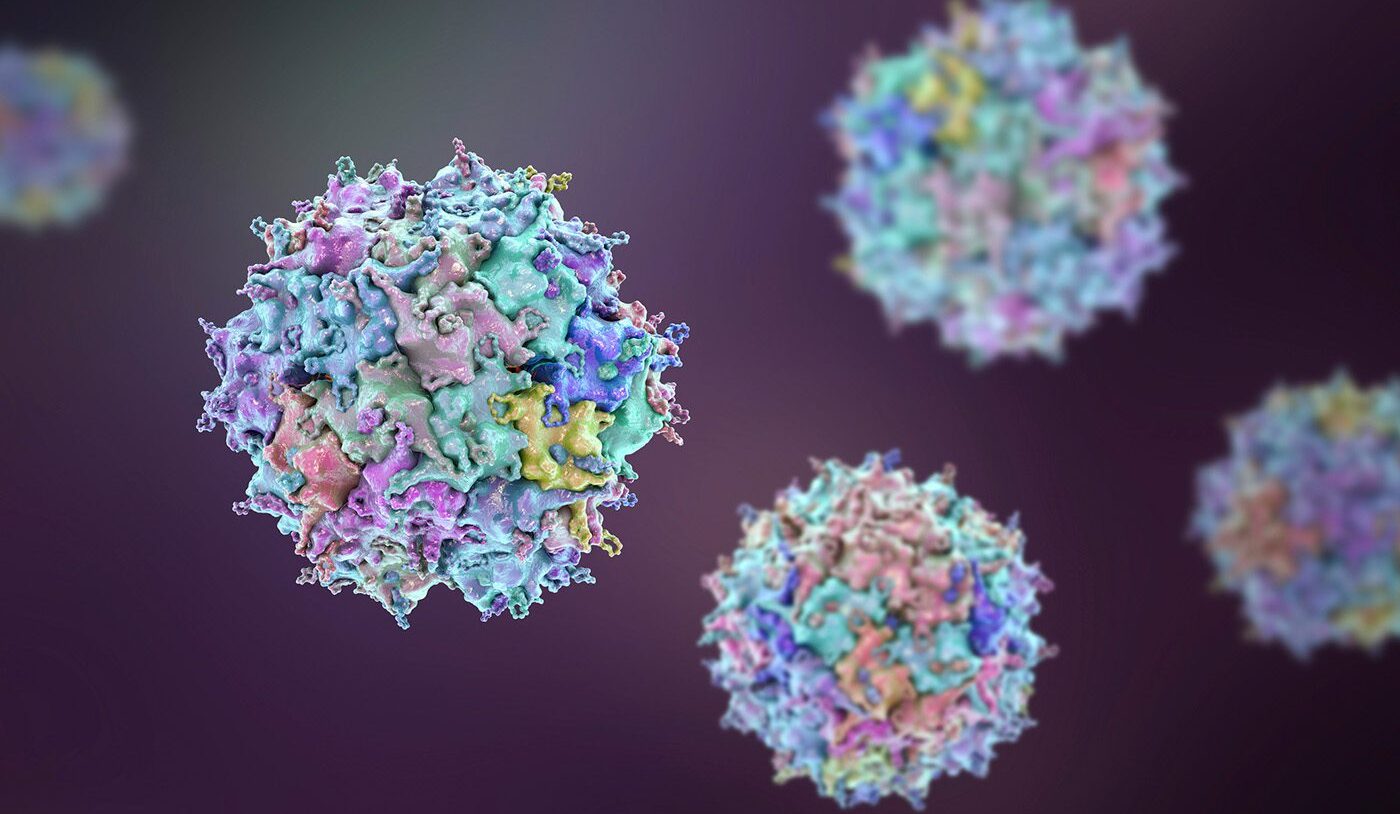
Despite that, drug companies put relatively little effort into preventing colds. Part of the problem is that the sniffles are caused by more than 200 different viruses, according to the American Lung Association, with rhinoviruses being the most common culprits. There are so many that it typically doesn’t pay to try to stop any one of them with a vaccine. “When pharma companies look at it, it’s not as attractive as other things they could work on,” says Ransohoff. “So it hasn’t attracted the resources.”
Stripe previously organized a $1.8 billion program called Frontier to encourage the development of carbon removal technology, as a way of countering climate change. Ransohoff says removing carbon from the atmosphere and getting rid of respiratory viruses are similar in that each is “technically possible” but they “lack commercial incentives.”
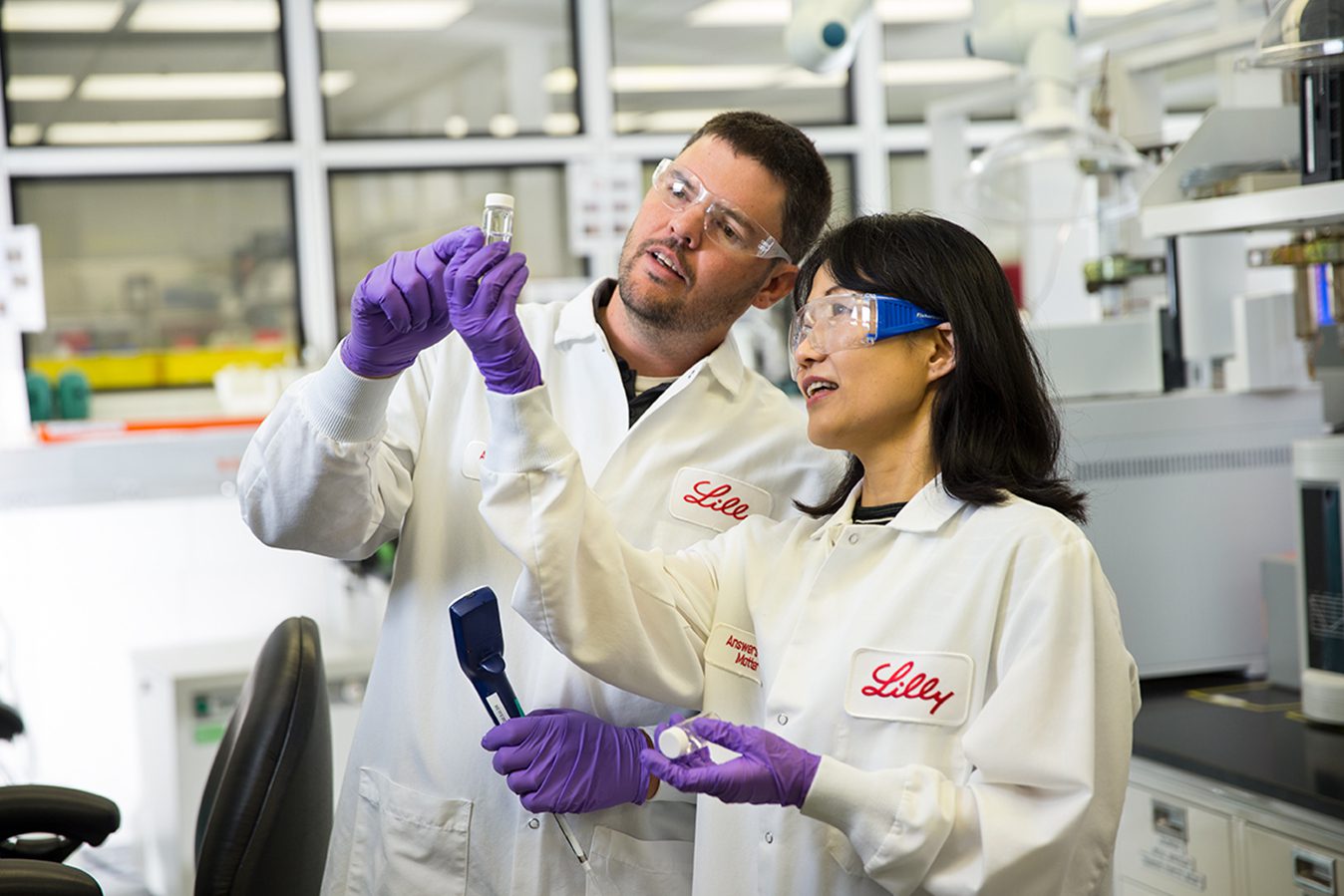
The concept for Intercept took shape after Ransohoff started talking to David Veesler, a structural biologist and vaccine designer at the University of Washington, who argued that it’s possible to come up with broad countermeasures that work against many viruses at once.
“He effectively sort of nerd-sniped me,” Ransohoff says of Vessler. “He convinced me that this is technically possible. He also helped me understand that some of the reasons that this hasn’t been done before was sort of an incentive problem.”
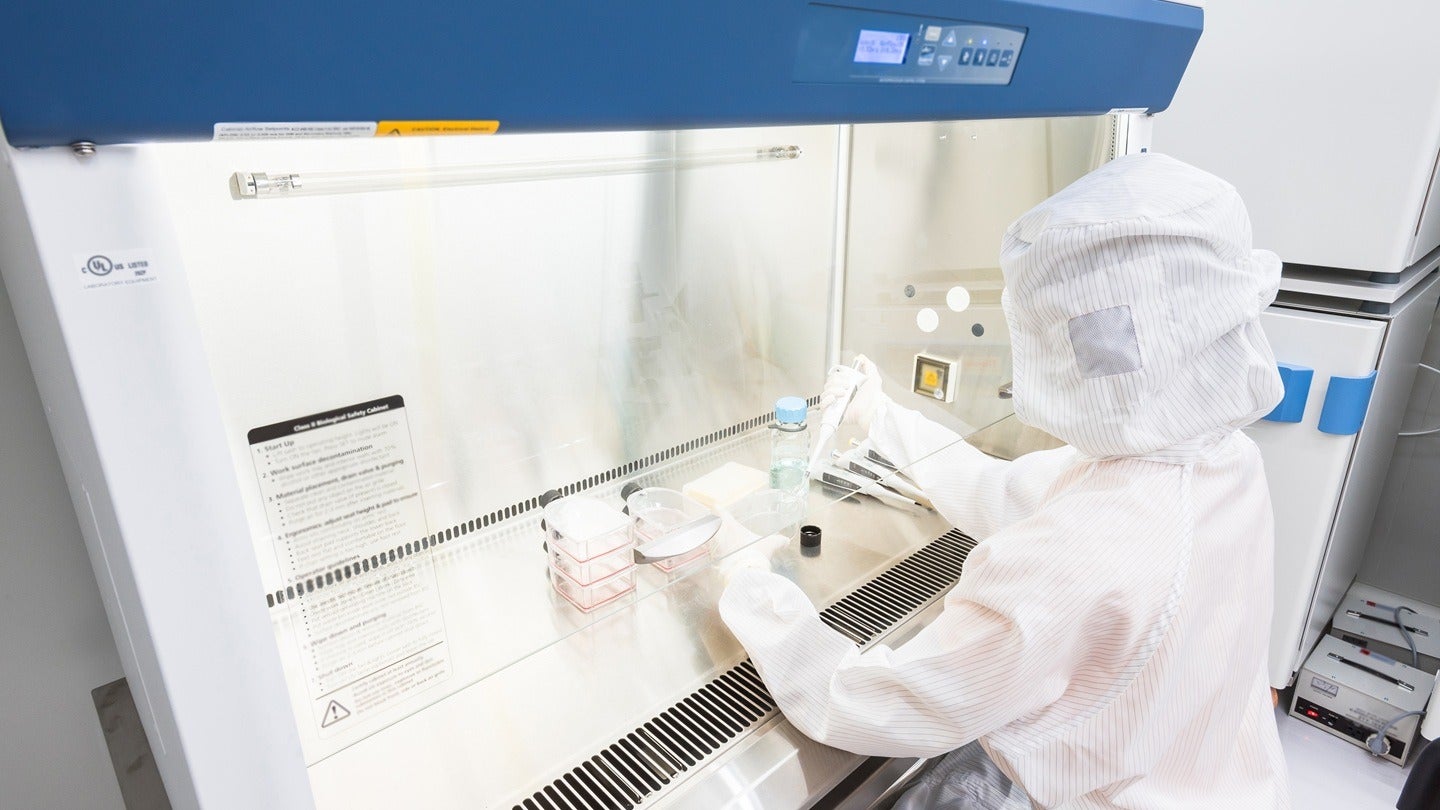
Veesler says the growing toolkit available to scientists includes RNA drugs, antibodies, and computational protein design. For instance, one idea is to engineer virus-grabbing proteins that people could spray in their nasal passages, to catch viruses before they can infect people.
“Most people just accept these viruses as a fact of life, and that got us thinking: do we have to accept it?” says Veesler. “The more we thought about it, the more we realized that many of these problems have not been worked on with modern technologies.”
The project takes inspiration from efforts to fight the covid-19 virus, where Veesler’s group was among those involved in the speedy development of vaccines, anti-viral drugs, and antibodies.
According to Ransohoff, Intercept’s advisers will include Peter Marks, a former top FDA official, as well as Moncef Slaoui, the pharmaceutical executive who led the US coronavirus vaccine effort, Operation Warp Speed.
A key challenge for Intercept will be coming up with ways to counter many—even all—viruses at one time. That accounts for the group’s interest in air-cleaning technology, such as using strong ultraviolet light to inactivate viruses. The idea, the group says, is to remove viruses from the air in the same way municipalities remove impurities from the water supply before it’s piped to people’s homes.
The US funds about $6.5 billion a year in virus research through the National Institute of Allergy and Infectious Disease, or NIAID. But that agency’s budget hasn’t grown in recent years, leaving more room for private philanthropy.
And Stripe’s Collison brothers have become some of the most reliable philanthropists in viral research. After giving away “fast grants” to help labs during the covid-19 pandemic, they later joined other donors who committed $650 million to establish the Arc Institute, in Palo Alto, which has developed AI models for biological research.
“The diversity of viruses is just too large and seems daunting, so people don’t even try,” says Veesler. “I’m happy that someone is ready to help scientists, not accepting the status quo, and doing something different.”
Apa Reaksi Anda?
 Suka
0
Suka
0
 Kurang Suka
0
Kurang Suka
0
 Setuju
0
Setuju
0
 Tidak Setuju
0
Tidak Setuju
0
 Bagus
0
Bagus
0
 Berguna
0
Berguna
0
 Hebat
0
Hebat
0