














































%20and%20Batch%20Production%20Records%20(BPR).png)














Trust before treatment: building rapport to drive case acceptance

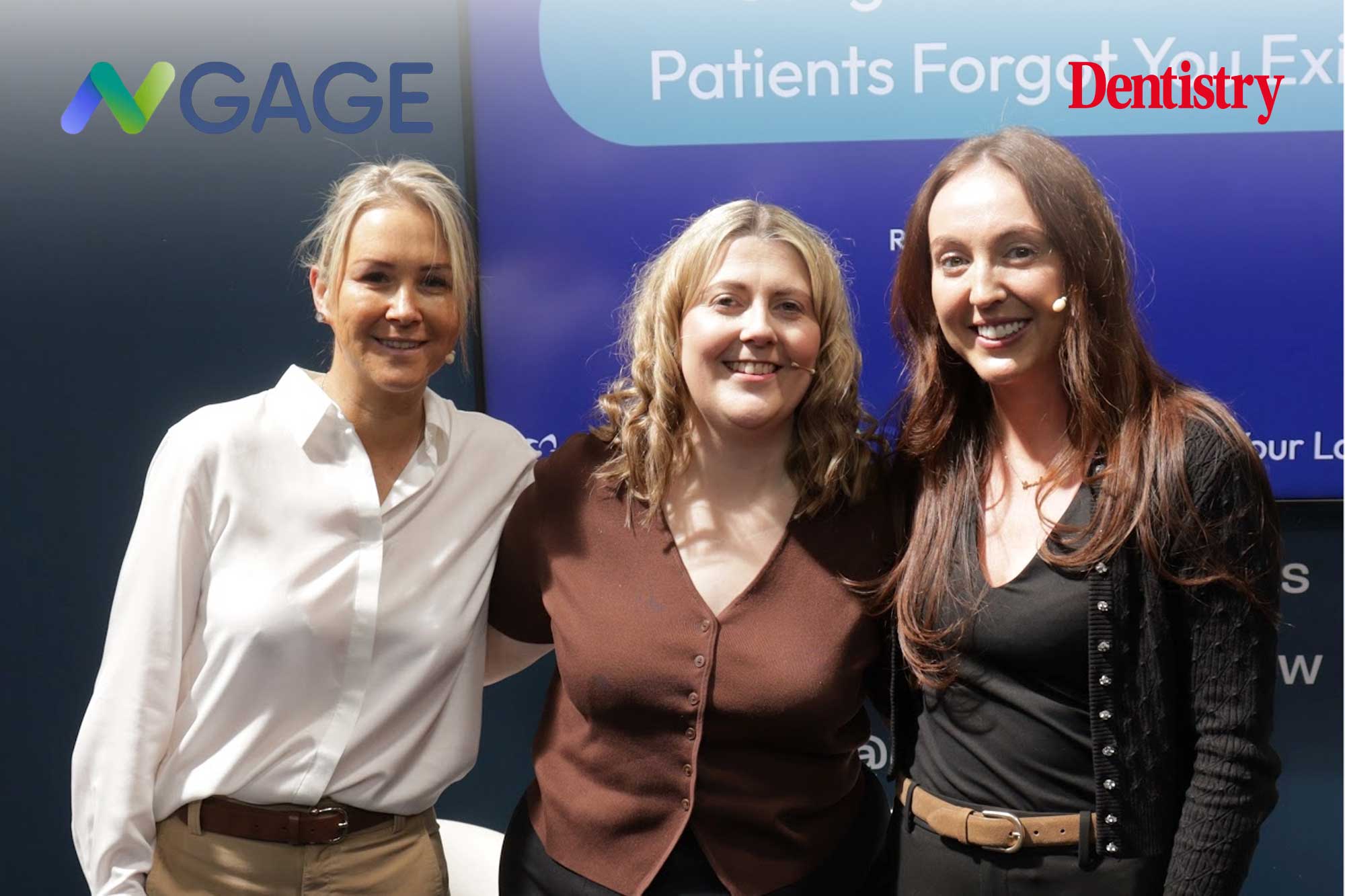
Lia Melconian shares her top tips for building rapport with patients and explains how this can be utilised to increase case acceptance rates.
Throughout my training, I naively thought the ‘best’ dentists were the ones with the most knowledge about teeth.
Looking back on my career to date, first as an associate dentist and now as a young practice owner, I’ve realised it isn’t theory alone that makes a dentist successful. You need a minimum level of understanding – of course you do. But what sets the most successful dentists apart is their ability to build rapport. Patients don’t remember the occlusal reduction you did on UL6. They remember how you made them feel.
That first hit home on the three-month follow-up call for my Invisalign course. The speaker asked: ‘How many cases has everyone started so far?’ Most people said zero or one. I said I had 15 sign-ups and everyone gasped. Quickly, another dentist chimed in and said I must work at a practice with a huge marketing budget and a diary full of Invisalign consults.
I told them all the cases were from my own patient list, people I signed up during their routine examinations. The call fell silent again.
I’m not saying this to sound flashy. I’m saying it because it proves something we don’t talk about enough: case acceptance isn’t only about explaining the clinical details. It’s about trust. And trust comes from rapport.
Rapport starts before you even sit in the chair
Building rapport in dentistry isn’t all that different from connecting with people anywhere else. But the setting is more intense, because for a lot of patients the dentist is a scary place. So I start building from the moment I go to collect them from reception.
I greet the patient with a big smile. Yes, it will feel strange at first, especially if you’re naturally more reserved. But those first five seconds matter. If the patient has come with their child, partner, or friend, I always acknowledge them too. It instantly changes the energy in the room. Patients relax when they feel you’ve seen them as a person, not ‘the 2pm check-up’.
I never rush patients. Sometimes a couple of minutes are spent in the waiting room with small talk until they’re ready to go through to my surgery. That might sound like ‘wasting time’, and I know associates in particular can feel pressure from practice owners or managers to keep appointments moving quickly. But those two or three extra minutes are an investment, not a cost. They stop the appointment feeling like a conveyor belt, and they reduce the defensive energy that anxious patients often come in with. The result is a smoother, more productive appointment that often saves more time than it takes.
Setting the scene
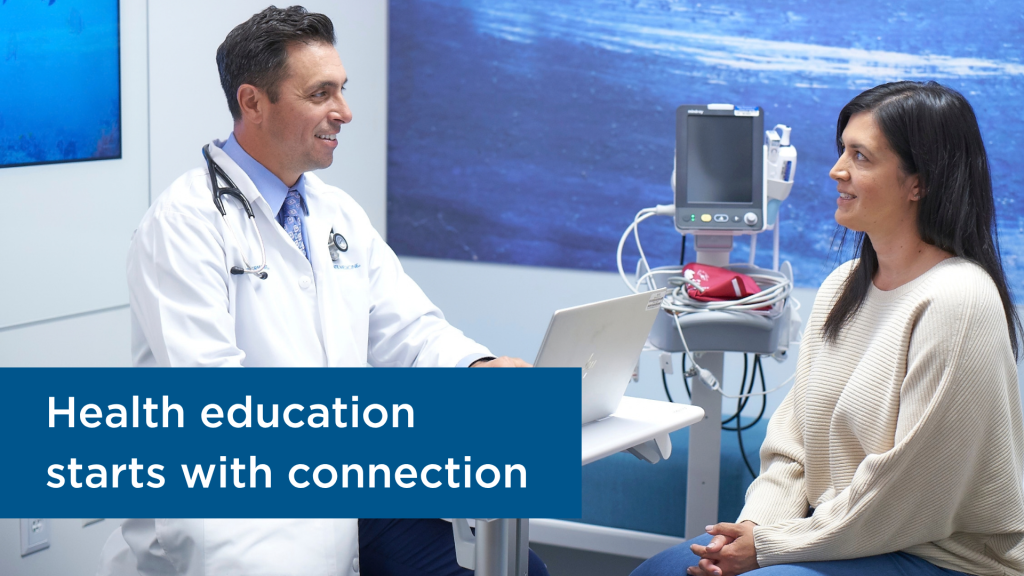
Once we’re in the surgery, I always show the patient where they can hang their coat up and put their bags down. Little things, but they matter. Then I sit opposite them, facing the patient, ideally at an even height. Eye level, not looking down at them.
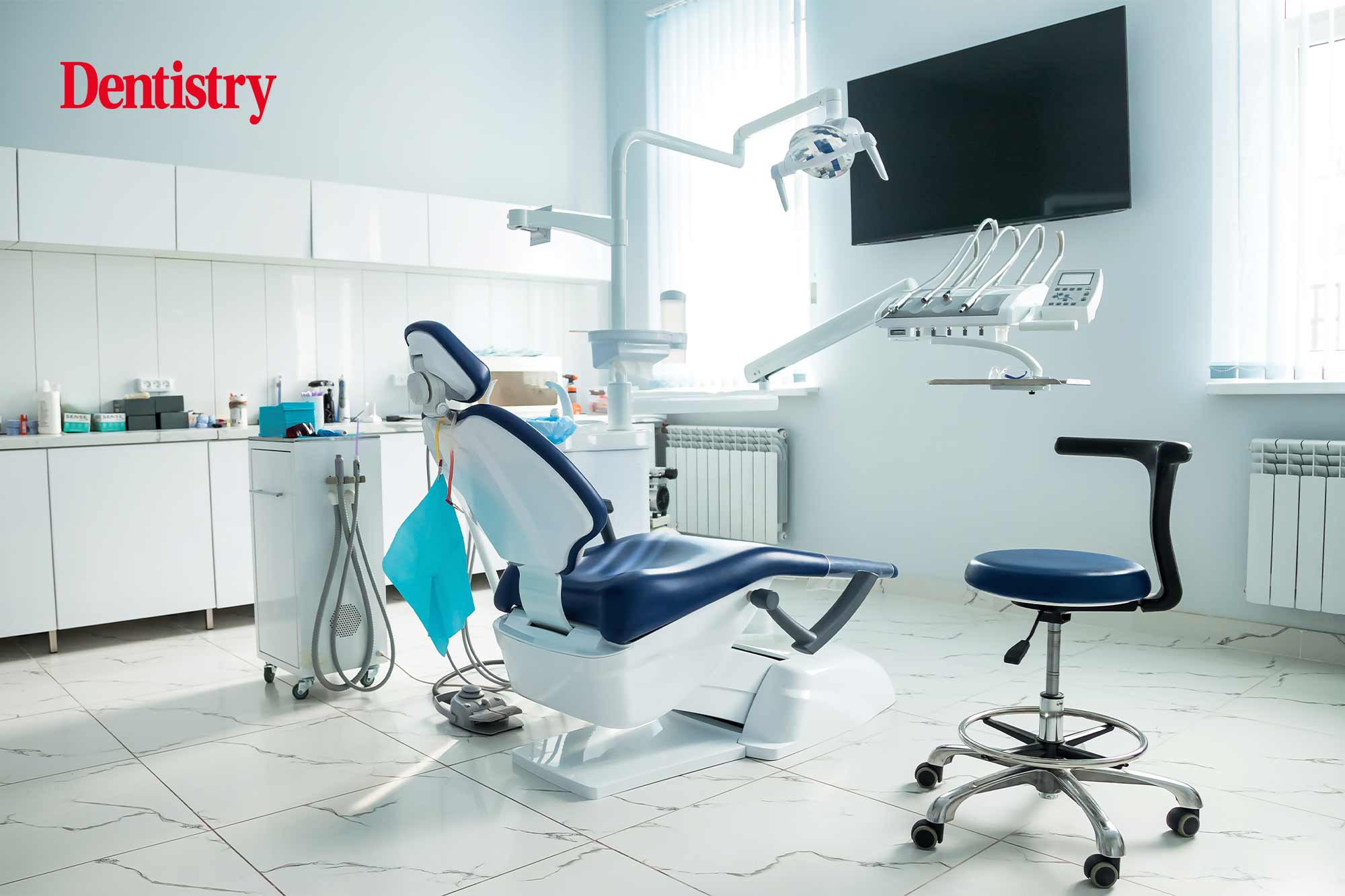
I like to set the scene of my surgery to be as relaxing as possible. I always have a calming scene playing on the TV, usually something like a warm lodge house with a fire going. Children love this and get very excited by the fireplace. I have a beautiful piece of art on the wall that features fish, which often serves as a talking point. There’s always relaxing music playing softly, too.
When the environment feels warm, anxious patients relax enough to open up. I know associates may not have much control over their room (even the music choice), but even if you can’t change the whole set-up, you can still control your energy, your pace, and how you make people feel.
The simple ‘rapport formula’ I use
Once I’m sitting opposite the patient, I usually start by asking them how their day has been and we chat about the weather. It’s low-stakes common ground, and there’s something about it that helps relax us Brits. Then, of course, I also ask the relevant dental questions.
But here’s the part that makes the biggest difference: while talking to the patient, actively listen and repeat back what they’re saying. Patients often drop little gems about their life that are important not to gloss over, and those gems are your chance to build real connection.
If a patient says they’re getting married, first, congratulate them. Then ask when the date is. Have they got their dress picked out? Where’s the venue? Are they nervous or excited? Suddenly the patient whips out their phone and is showing you their wedding dress try-on photos, and you’re having an amazing conversation.
Notice that none of those are scripted questions pulled from a list. They’re just natural follow-ups that come from genuinely wanting to know the answer. That’s the difference between building real rapport and going through the motions. You’ve built trust. But more than that, you’ve broken down walls and helped the patient feel less anxious.
Of course, not every gem is a happy one. Sometimes a patient mentions a bereavement, a difficult time at work, or a health worry. Those moments matter just as much. You don’t need to fix anything or say the perfect thing. Just acknowledging it with ‘I’m sorry to hear that’ or ‘that sounds really tough’ shows the patient that you’re listening and that you care. That kind of empathy builds trust just as powerfully as sharing in someone’s excitement. If you want to go the extra mile, you can post them a bereavement card at the end of the day.
You haven’t done anything complicated there. You’ve just shown genuine interest and made them feel safe.
Take interest and remember it
I make a point of taking a genuine interest in patients. I always ask new patients at some point in their exam what job they do. Not only is this helpful for working out appointment times, but it’s another chance to connect and learn more about them. I often find further connection points once I know about a patient’s job, or if they have kids, or even what they’re doing at the weekend.
There’s an enormous difference between asking ‘what do you do for work?’ and actually listening to the answer and asking something about it, versus nodding and moving on. Patients can feel the difference. One signals that you’re working through a checklist. The other signals that you’re truly curious about them as a person.
Then the magic happens at the next appointment.
Next time you go to greet the patient, they are no longer a stranger. They are Sarah, an excited young woman whose wedding is in a couple of weeks. She always attends with her young son Joey, who loves Paw Patrol. He’s so excited when he sees Paw Patrol is on the TV when they come in together, and Sarah is so happy you remembered.
That moment is huge. It tells the patient: you matter here.
And it’s not about memorising every detail about every patient. It’s about remembering one or two human things. People can feel the difference between ‘I’m saying this because it’s my job’ and ‘I genuinely care’.
Rapport and case acceptance
Some dentists worry that focusing on rapport sounds a bit like sales. I see it the opposite way. When patients trust you, they ask better questions. They’re more honest about fears, finances, previous bad experiences, and what they actually want. That means you can treatment plan more accurately and get more meaningful consent.
Yes, rapport can lead to more treatment sign-ups, but the point is that the uptake is ethical, informed, and based on trust, not pressure.
A patient who feels rushed will say ‘I’ll think about it’ and disappear. A patient who feels heard will still think about it, but they come back. They call. They book. They tell their friends. And if something goes wrong or they don’t understand something, they’re much more likely to raise it with you calmly rather than going straight to a complaint.
Treat patients like people first
I like to treat patients as if they were my friends or family. I always check in on how they’re doing first, and then talk about teeth. That approach has shaped my career far more than anything I memorised for finals.
The clinical dentistry matters. But the communication is what makes patients stay.
- Greet the patient warmly (and acknowledge whoever they came with)
- Ask follow-up questions, not just opening ones. That’s what shows you’re actually listening
- Actively listen, and reflect back what they’ve told you
- Prepare a calm surgery space where possible
- Remember small personal details and use them at the next check-up
- Give anxious patients control: pace, pauses, and a simple stop signal.
So if you take one thing from this article, let it be this: the most powerful thing you can do in an exam isn’t a perfect filling technique, it’s making someone feel seen.
Follow Dentistry.co.uk on Instagram to keep up with all the latest dental news and trends.
Apa Reaksi Anda?
 Suka
0
Suka
0
 Kurang Suka
0
Kurang Suka
0
 Setuju
0
Setuju
0
 Tidak Setuju
0
Tidak Setuju
0
 Bagus
0
Bagus
0
 Berguna
0
Berguna
0
 Hebat
0
Hebat
0