










































































Why Choose Anesthesia? Career Path, Lifestyle & Salary Guide

Choosing a Medical Specialty
Choosing a medical specialty is one of the most important decisions a medical student will face. Anesthesiology stands out as a field that blends high-stakes clinical work, technical expertise, and immediate impact on patient care. For students fascinated by physiology, pharmacology, and hands-on procedural medicine, anesthesia provides a fast-paced environment where every decision matters.
Anesthesiologists are central to care in operating rooms, as well as in critical care units, pain clinics, and a wide range of procedural settings, giving the specialty variety, depth, and professional fulfillment. This guide breaks down the career path, lifestyle, and anesthesiology salary expectations.
Why Choose Anesthesiology as a Medical Career?
Anesthesiology is a medical specialty focused on anesthesia care, perioperative management, pain control, and critical care. Anesthesiologists contribute directly to patient safety during surgery, maintain physiological stability, and support comfort before, during, and after procedures. The specialty is intellectually demanding and procedure-heavy, offering a balance between technical skill and measurable patient outcomes. It sits at the intersection of acute care and procedural medicine, appealing to students drawn to fast-paced environments without the long-term patient management required in other specialties.
Medical students often choose anesthesia for the high-impact nature of the work, strong compensation, and growing demand across hospitals and outpatient centers. The field allows physicians to apply knowledge of pharmacology and physiology daily, whether managing complex cases in the operating room or providing advanced pain management. Those exploring anesthesia also value the diversity of cases and the immediate feedback on their clinical decisions.
How to become an anesthesiologist is straightforward. The career path is structured: after medical school, graduates enter anesthesiology residency programs (anesthesia residency length is typically three years long after one intern year), followed by optional fellowships in subspecialties such as pediatric anesthesia, cardiothoracic anesthesia, or regional anesthesia. This path provides a clear trajectory while allowing flexibility for specialization, career growth, and personal lifestyle preferences.
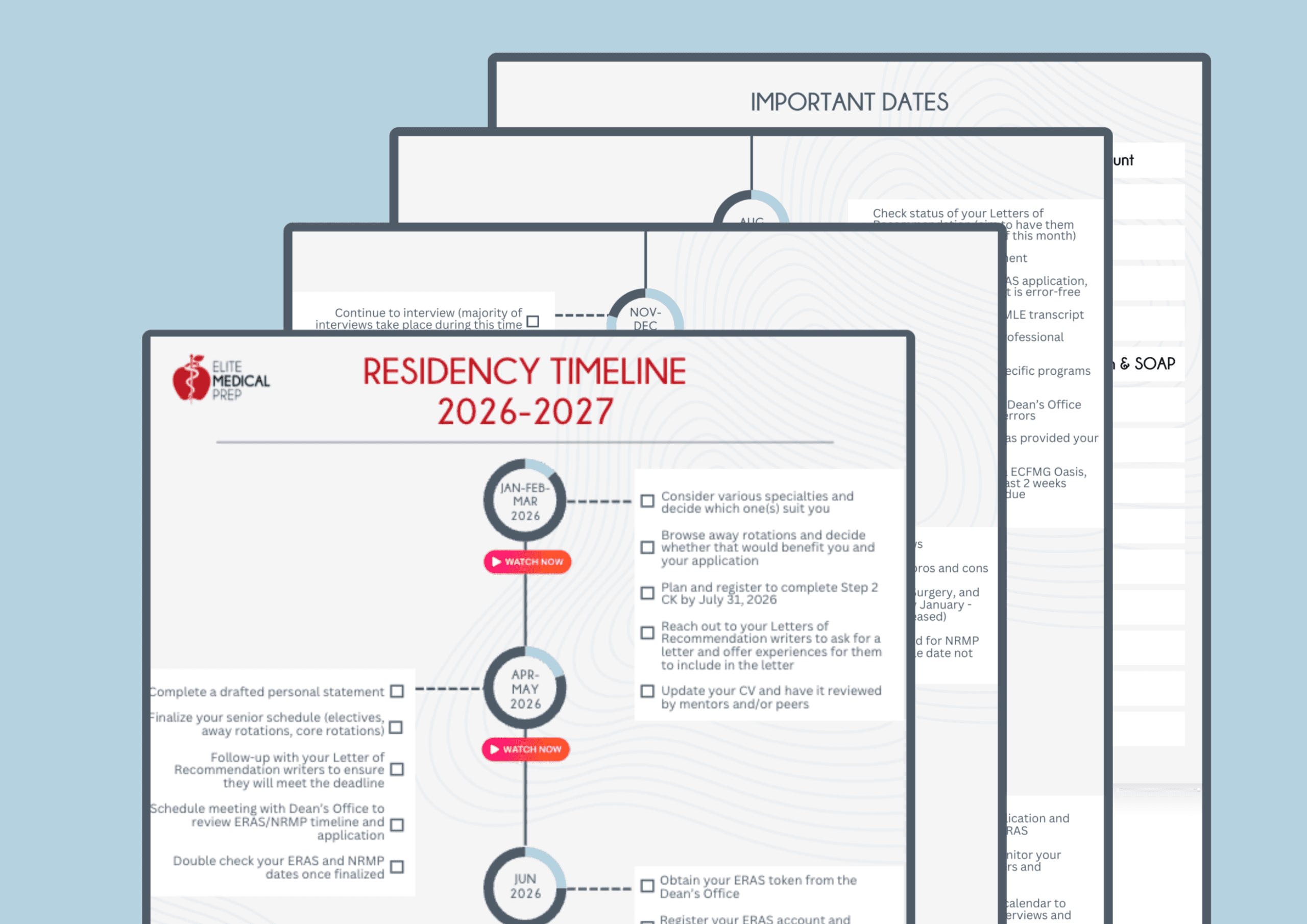
Students interested in residency opportunities must understand acceptance factors in anesthesia residency and follow a structured residency application timeline to successfully navigate the competitive process. Anesthesiology is considered among the most competitive residency specialties, making early preparation and guidance essential for adequate anesthesiology residency competitiveness.
What Do Anesthesiologists Do? Clinical Roles and Responsibilities
Anesthesiologists provide a broad range of care across multiple settings, combining technical skill with real-time decision-making. Their work supports patient safety and comfort throughout surgical and procedural interventions. Key responsibilities include:
- Operating Room Care: Administer anesthesia, manage airways, monitor vital signs, and adjust medications to maintain optimal physiology during surgery.
- Preoperative and Postoperative Management: Evaluate patients before surgery, develop individualized anesthesia plans, and manage recovery in post-anesthesia care units.
- Intensive Care Management: Oversee critically ill patients in ICUs, stabilizing physiology, managing ventilators, and coordinating multi-system care.
- Labor and Delivery Support: Provide analgesia and anesthesia during labor, cesarean sections, and other obstetric procedures.
- Trauma and Emergency Teams: Respond to urgent surgical cases, providing anesthesia and critical care under high-pressure conditions.
- Pain Management: Treat acute and chronic pain in inpatient and outpatient clinics using medications, nerve blocks, and interventional techniques.
- Non-Operating Room Procedures: Support procedures in interventional radiology, endoscopy, cardiology suites, and other specialized procedural areas.
- Supervising: Part of the responsibility of an Anesthesiologists is to supervise Certified Registered Nurse Anesthetist (CRNA) and anesthesia assistants.
Anesthesiologists collaborate closely with surgeons, nurses, and other healthcare professionals to coordinate care and optimize outcomes. Opportunities for an anesthesiologist assistant and specialists in regional anesthesia further expand the scope of practice.
For students asking, “is anesthesiology a good career,” the combination of diverse responsibilities, procedural expertise, and immediate impact on patient outcomes makes the specialty highly rewarding and intellectually engaging.
Intellectual and Technical Demands of the Field
Anesthesiology requires intense moment-to-moment decision-making and physiological management during procedures. Anesthesiologists must maintain situational awareness while integrating vital signs, medication adjustments, and procedural interventions. Emergencies such as hypotension, unexpected airway difficulty, or anaphylaxis require immediate, precise action.
Success in the specialty depends on mastery of pharmacology, physiology, and medical devices, alongside procedural skills such as intubation, central line placement, and regional nerve blocks. The field appeals to those who thrive in fast-paced, high-stakes environments and enjoy solving complex problems in real time. The blend of cognitive and manual skill makes each day distinct, with new challenges and opportunities to keep learning.
Anesthesiology involves more than executing procedures. It requires synthesizing information, predicting patient responses, and applying interventions instantly. This dynamic environment draws students interested in both technical mastery and the direct impact of their decisions on patient outcomes.
Anesthesiology Lifestyle: Work Hours, Stress, and Work-Life Balance
Anesthesiology is recognized for offering flexibility and predictable scheduling compared with many other medical specialties. The lifestyle benefits stem from the variety of practice settings and shift structures available.
Shift-Based Work
Many anesthesiology positions are shift-based, which limits after-hours responsibilities compared with specialties that require continuous patient management.
- Hospitals often schedule anesthesiologists in blocks, concentrating high-intensity work into defined periods.
- Outpatient surgery centers generally provide regular hours, allowing physicians to plan personal time.
Practice Type and Flexibility
The type of practice – academic, private practice, or locum tenens – affects schedules and workload.
- Locum tenens and part-time positions provide additional flexibility to accommodate personal or family priorities.
- Academic roles may include teaching and research opportunities, adding variety without requiring extended clinical hours.
Reduced Administrative Burden
Anesthesiologists typically do not follow patients after discharge.
- This reduces paperwork and administrative responsibilities.
- It allows for a more predictable daily routine compared with primary care specialties.
Managing Stress and On-Call Duties
High-intensity moments occur during surgery or critical care cases.
- On-call requirements exist in some hospitals, particularly in trauma or ICU settings.
- Stress is concentrated in short periods, giving anesthesiologists time to decompress afterward.
Work-Life Balance Benefits
The combination of structured shifts, limited longitudinal care, and flexible practice settings enables a balanced lifestyle.
- Many anesthesiologists maintain hobbies, family time, and continued professional development alongside clinical practice.
- Opportunities to rotate through subspecialties such as pediatric anesthesia, cardiothoracic anesthesia, or pain management allow physicians to tailor their daily workflow and focus on areas of personal interest.
Anesthesiology provides a lifestyle that balances high-stakes, rewarding work with flexibility and control over personal time, making it attractive to physicians seeking both professional fulfillment and quality of life.
Anesthesiologist Salary and Job Outlook
Anesthesiology offers strong financial rewards. Board-certified anesthesiologists in the United States earn between $300,000 and $450,000 annually, with higher compensation available in private practice or rural settings. Regional variation and subspecialty choice can also affect earning potential. Subspecialties such as pediatric anesthesia, cardiothoracic anesthesia, and pain management may offer additional opportunities for higher income.
Demand for anesthesiology specialists is high due to rising surgical volume, an aging population, and shortages in rural and underserved areas. The consistent need for anesthesia services across elective and emergency procedures provides job stability even during economic downturns, making the specialty more recession-resistant than others. Projections indicate steady growth in employment opportunities, reflecting the ongoing necessity of anesthesia across hospitals, outpatient centers, and critical care units.
With advances in minimally invasive surgery, interventional procedures, and perioperative care, anesthesiologists are increasingly essential members of healthcare teams, supporting the specialty’s long-term relevance and strong career prospects.
Anesthesia Subspecialties and Career Path Flexibility
Anesthesiology offers diverse career paths and fellowship opportunities. This allows an anesthesia resident to tailor a career based on interests, population focus, or lifestyle preferences. Common subspecialties include:
- Pain medicine
- Pediatric anesthesia
- Cardiothoracic anesthesia
- Regional anesthesia
- Neuroanesthesia
- Critical care
In addition to procedural work, anesthesiologists can pursue roles in medical education, hospital administration, consulting, and perioperative medicine. Emerging interdisciplinary roles – such as perioperative hospitalist, surgical home leader, and value-based care coordinator – expand anesthesia’s influence on healthcare systems and patient care pathways.
This flexibility allows anesthesiologists to shape their careers to match personal goals, pursue leadership opportunities, or transition into clinical or non-clinical roles without extensive retraining, making the field highly adaptable and professionally rewarding.
Personality Fit for Anesthesiology: Is This Specialty Right for You?
Successful anesthesiologists are calm under pressure, detail-oriented, technologically adept, and capable of rapid, precise decision-making. The specialty appeals to those who enjoy short-term patient interactions, physiology, pharmacology, and procedural work. It attracts students who appreciate structured, fast-paced environments where critical thinking and hands-on skill are tested every day.
Unlike primary care or psychiatry, anesthesiology does not require longitudinal patient management. Students drawn to the field often prefer working quietly without seeking recognition from patients or families. Introverts may thrive in this environment, though strong communication with surgical teams and patients remains essential. Empathy, clear explanation of risks, and the ability to earn patient trust quickly are important traits that support effective perioperative care.
For those considering which medical specialty to choose, anesthesiology offers high-responsibility roles that deliver tangible results while minimizing long-term administrative burdens. It suits students who enjoy making immediate, measurable impacts on patient outcomes, managing complex physiology, and solving real-time problems in high-stakes scenarios. This combination of technical challenge and autonomy makes anesthesiology appealing to a wide range of medical students with diverse skill sets and professional goals.
Why Anesthesiology Is a Fulfilling Career Choice
Anesthesiology combines intellectual challenge, procedural skill, autonomy, and immediate patient impact. Physicians in this field save lives, manage pain, and optimize physiology across diverse patient populations. The work is high stakes, but the rewards include measurable results, professional satisfaction, and a strong sense of purpose.
The specialty goes far beyond “putting patients to sleep.” Anesthesiologists provide perioperative care, manage critical conditions, and deliver advanced pain management, spanning patients of all ages and acuities. High job satisfaction reflects the combination of autonomy, procedural mastery, and direct contributions to patient outcomes.
Elite Medical Prep supports aspiring anesthesiologists by offering personalized guidance on residency applications, expert medical residency advising services, and preparation for competitive anesthesia training programs. For students considering “why become an anesthesiologist” or weighing anesthesiology pros and cons, this support can make the difference in successfully entering one of the most rewarding yet competitive medical specialties.
The post Why Choose Anesthesia? Career Path, Lifestyle & Salary Guide appeared first on Elite Medical Prep.
Apa Reaksi Anda?
 Suka
0
Suka
0
 Kurang Suka
0
Kurang Suka
0
 Setuju
0
Setuju
0
 Tidak Setuju
0
Tidak Setuju
0
 Bagus
0
Bagus
0
 Berguna
0
Berguna
0
 Hebat
0
Hebat
0