


















































%20and%20Batch%20Production%20Records%20(BPR).png)












With $116M in Series A Financing, BrainChild Bio Targets CNS Tumors, Starting with One in Children’s Brainstems
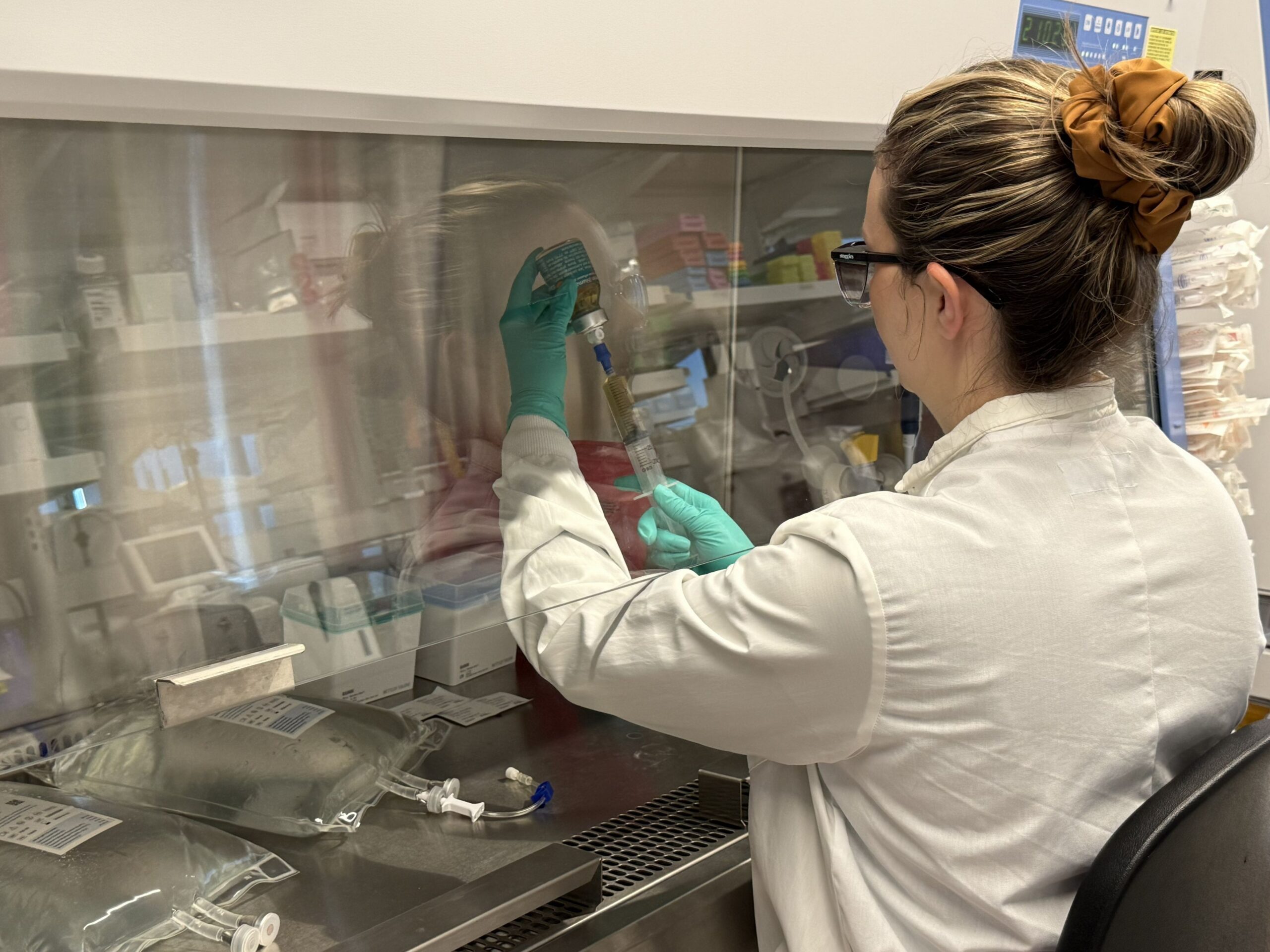
BrainChild Bio has raised a $116 million Series A financing, the proceeds of which will, in part, fund the pivotal registrational trial to assess its lead candidate, an autologous chimeric antigen receptor (CAR) T cell therapy being developed to treat a rare and aggressive pediatric brainstem tumor whose current standard of care consists of radiation.
BCB-276 is designed to treat diffuse intrinsic pontine glioma (DIPG) by targeting B7-H3, an immune checkpoint protein encoded by the CD276 gene that has been shown to be involved in tumor progression and immune evasion and is highly expressed in anywhere from 60% of solid tumor samples up to 93%, according to past studies cited by BrainChild Bio.
BrainChild Bio has dosed the first patient in its pivotal registrational Phase II ILLUMINATE trial (NCT07680439), an open-label, single-arm study designed to evaluate the efficacy and confirm the safety of BCB-276 in children and young adults with newly diagnosed DIPG following initial standard-of-care focal radiation therapy. The trial is intended to accelerate BrainChild’s path to a future biologics license application (BLA) filing for BCB-276, which has received the FDA’s Fast Track designation.
The primary endpoint for the trial is overall survival, which “should be prioritized as the primary endpoint when feasible,” the FDA advised last year in its draft guidance for cancer drug developers, “Approaches to Assessment of Overall Survival in Oncology Clinical Trials. Secondary endpoints include safety and tolerability; radiographic response to BCB-276; presence of BCB-276 in cerebrospinal fluid (CSF); and progression-free survival (PFS).
Patients in the ILLUMINATE trial will receive BCB-276 approximately every two weeks for a planned course of up to a total of 15 doses over approximately 7–8 months. BrainChild Bio has aligned ILLUMINATE’s trial details with the FDA, which agreed with researchers against a control arm of young patients receiving palliative radiation, hence the single-arm design.
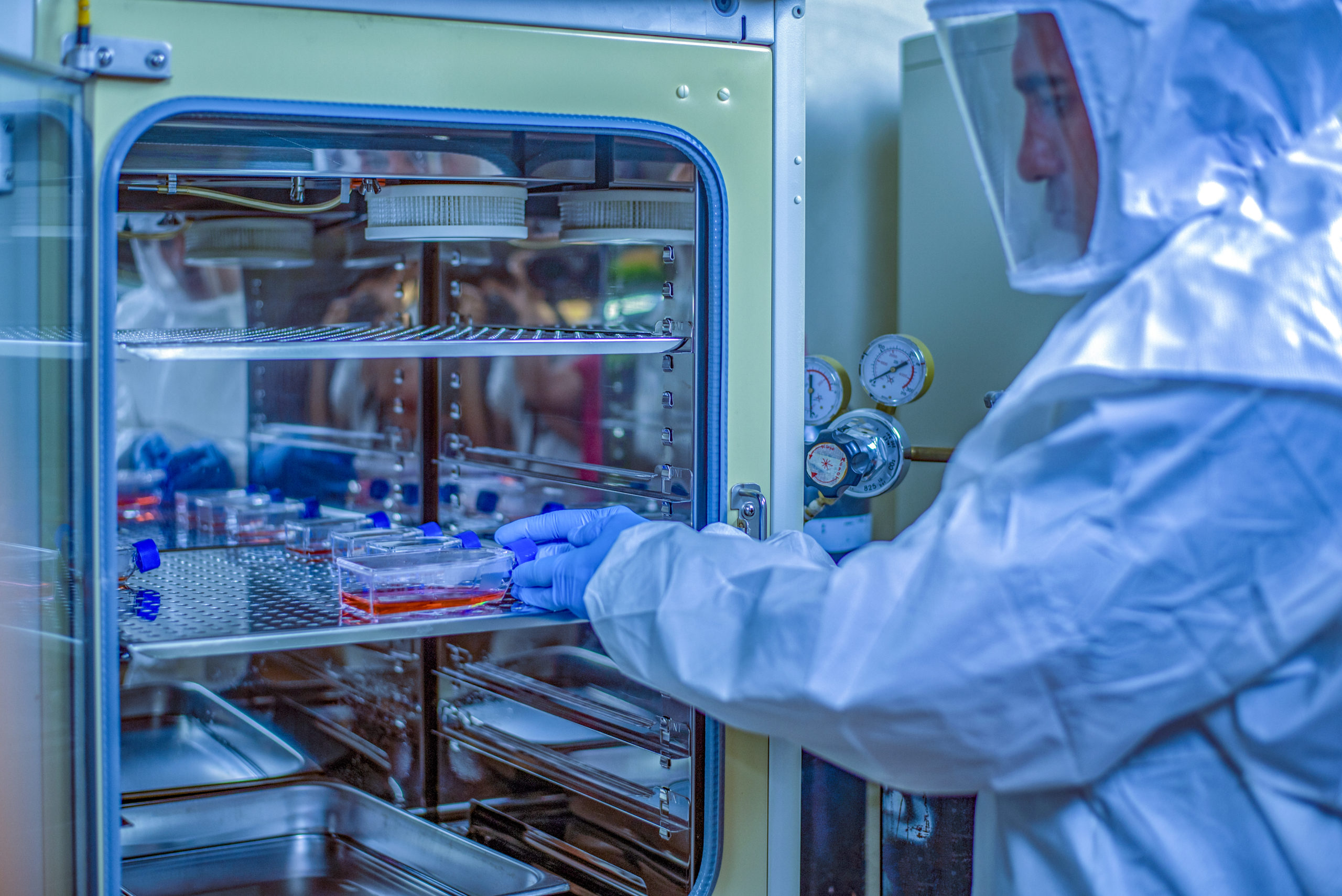
BrainChild Bio says it has optimized BCB-276 for late-stage clinical development, establishing the manufacturing, quality, and regulatory operations needed to support a registration program. The pivotal study will be conducted at six top-tier pediatric neuro-oncology centers where site activation is either complete or underway across the United States.

“The patients that we’re going to enroll now in the pivotal trial are going to be frontline as soon as possible after radiation,” BrainChild Bio CEO Steven Brugger told GEN.
Limited options
Beyond radiation, treatment options for DIPG are especially limited: DIPG is among aggressive brain tumors that comprise diffuse midline glioma (DMG), which saw the first FDA-approved therapy reach the market last year, when the agency authorized Jazz Pharmaceuticals’ Modeyso (dordaviprone) for DMG harboring an H3 K27M mutation with progressive disease following prior therapy. Modeyso has generated net product sales of $89.6 million in the first half of this year and $48 million in all of 2025, with more than 600 patients having received the drug since its launch in August 2025 through Q2 2026.
A GEN spot check of ClinicalTrials.gov showed 36 clinical studies now recruiting patients to assess drug candidates for indications that include DIPG: 20 for candidates in Phase I, 15 in Phase II, and just one in Phase III, Jazz Pharma’s BIOMEDE 2 (NCT05476939), a DIPG-focused study intended to compare dordaviprone to everolimus, the cancer drug marketed by Novartis as Afinitor®, with a primary outcome measure of PFS.
Data released last year from the Phase I BrainChild-03 trial (NCT04185038) showed BCB-276 treatment extended the median time from diagnosis to death for all 21 patients treated to 19.8 months—about double both the 10.7-month median survival time from initial CAR T cell infusion and the 8–11-month median time of survival from diagnosis associated with current standard-of-care, palliative focal radiation therapy.

“In the 50 years of clinical trials for DIPG, no drug had ever changed the 11-month overall survival mark before, so it was a clear safety signal,” said Michael Jensen, MD, BrainChild Bio’s founder and CSO.
Three patients, all beginning CAR T treatment prior to disease progression, were reported as alive at 44.6 months, 45.6 months, and 52.5 months from diagnosis.
“The thing to keep in mind with the Phase I trial was that we had patients who were started early, close after their radiation, as well as some that were started later, and there was a subset of nine patients that are described in that paper that were started with treatment pretty quickly after their radiation [the nine began treatment before any progression]. And of those nine patients, three of them ended up being long-term survivors, post-diagnosis. That’s what led us to say, let’s engage with the FDA,” Brugger recalled.
BrainChild-03 was BrainChild Bio’s third Phase I trial; the other two excluded DIPG patients as they focused on delivering intracranial human epidermal growth factor receptor 2 [HER2]-specific CAR T cells (BrainChild-01, NCT03500991) and on delivering EGFR806, or epidermal growth factor receptor (EGFR) CAR T cells based on the mAb806 monoclonal antibody (BrainChild-02, NCT03638167).
“We have had several very positive discussions with the FDA around now taking this forward into a single pivotal trial,” Brugger said.
Non-traditional investors
The FDA wasn’t the only one impressed with the Phase I data, Brugger added: “Institutional investors were very impressed with the clinical data in DIPG. They really loved the unique approach that we’re taking here.”
But those investors didn’t love the data enough to join BrainChild Bio’s Series A financing. It was a matter, he explained, of numbers: About 300 children in the United States get diagnosed with DIPG each year, according to the National Cancer Institute. “It just didn’t fit with their investment strategy model.”
That explains why the Series A financing attracted several non-traditional investors rather than the customary group of traditional venture investors.
The $116 million round was led by an undisclosed private family fund and foundation supportive of BrainChild Bio’s mission. The financing also saw participation from WRF Capital, the investment vehicle for Washington Research Foundation, a nonprofit funder of academic research, tech licensing, and early-stage startup companies in Washington state, and from Seattle Children’s, which was the company’s first investor when it launched in December 2023.
The dearth of traditional venture funders for BrainChild Bio also indicates why the company explains its tumor-fighting focus as “kids-first, but not kids only.”
BrainChild Bio’s second pipeline candidate, BCB-214, is set to enter the clinic next year as a potential treatment for glioblastoma, one of the deadliest adult brain tumors, though it is also being developed for pediatric brain tumors such as DMG. BCB-214 is a next-generation CAR T cell therapy that fights tumors by targeting B7-H3 and two other target antigens—EGFR and interleukin-13 receptor subunit alpha-2 (IL13Ralpha2).
“It’s the story of tumor heterogeneity,” Jensen explained. “Even clades of cells that develop in glioblastoma form subpopulations of cells that can have some heterogeneity. So that’s the overall logic for multiplex targeting. The other feature that we think about a lot with multiplex targeting is, can we define combinations of targets that, if the tumor were to down-regulate all of them, would that result in basically a synthetic lethal outcome for the tumor?
“We did CRISPR studies of these three molecules in glioblastoma cell lines, and what we found is that cells can continue to survive in vitro and engraft in vivo if you knock out one or two antigens, but we could not get cells to tolerate all three antigens being knocked out,” Jensen added.
“Laser-focused”
While BrainChild Bio envisions a larger pipeline over time and is carrying out research to that effect, Brugger said the company was “laser-focused” on developing BCB-276 and -214: “We’re going to stay very focused on these two programs and deliver.”
BrainChild Bio’s path to its $116 million Series A financing began in 2010 when Jensen, a pioneer in CAR T cell cancer immunotherapy, was recruited by Seattle Children’s, which agreed to set up a GMP facility for manufacturing CAR T cells for the academic trials his lab wanted to run.
Jensen’s lab designed the CD19 CAR T candidate for pediatric leukemia that eventually won approval as Breyanzi® (lisocabtagene maraleucel). Breyanzi was developed by Juno Therapeutics, whose co-founders included Jensen, and was acquired in 2018 for $9 billion by Celgene, which a year later was bought out by Bristol Myers Squibb for $74 billion. The production facility, which has grown into the FACT-accredited and GMP-compliant Therapeutics Cell Production Core (TCPC), has manufactured more than 1,000 products for Phase I and Phase II clinical trials, with over 600 patients from every continent except Antarctica.
“From there, we were very interested in focusing on solid tumors. And in children, the second most common cancer are brain tumors, and brain tumors are now the leading cause of pediatric mortality,” Jensen recalled. “At that juncture, my team and I were thinking about strategy development for how to target tumors of the central nervous system. We felt that taking the generic approach of giving a kid cytoxin and fludarabine and giving them a single dose of IV CAR T cells may not be the best strategy for targeting a tumor that’s solely localized in the central nervous system.”
Dosing challenge
Jensen and colleagues addressed the challenge of dosing directly into the central nervous system—more specifically into the lateral ventricle—by using an Ommaya shunt, an indwelling reservoir-catheter device, and instituting repetitive dosing, reasoning that the lymphoid architecture and biology in the brain are quite different from those outside of the brain.
“We found that CAR T cells that are infused directly into the brain, into the CSF, have much more of a drug-like PK [pharmacokinetics], if you will. You get your peak of cells shortly after infusion. They don’t have this massive proliferation you see in a lymphoma or leukemia patient. We were able to study that and then create dosing regimens in which, basically, we replenished bioactive cells by giving additional doses every two weeks, creating a sustained area under the curve of tumor exposure,” added Jensen, who is also founding chief therapeutics officer and leader of Seattle Children’s Therapeutics, a nonprofit therapeutics-development enterprise formed by Seattle Children’s.
Since 2012, Seattle Children’s Therapeutics has designed, manufactured, and launched a robust portfolio of immunotherapy clinical trials for leukemia and lymphoma, brain tumors, and solid tumors, enrolling more than 500 patients.
Brugger first met Jensen in 2023 after his previous company, Affinivax, a vaccine developer which he headed as CEO, was acquired by GlaxoSmithKline (GSK) for up-to-$3.3 billion a year earlier. One of Affinivax’s lead bankers in that deal introduced Brugger to Jensen, and the two grew into colleagues, then friends, focused on spinning out BrainChild Bio from Seattle Children’s, initially with the institution as sole investor. Since then, BrainChild Bio has grown its headcount to about 50 people.
“Major growth year”
“This is a major growth year for us,” Brugger added. “We’ll probably plateau off in 2027–2028, but we’ll be in a good position by the end of this year to execute on the Phase II trial through completion, the BLA submission, and then also get the Phase I trial off the ground for BCB-214 next year.”
How does the company plan to grow beyond then? As a stand-alone drug developer? Or by finding a buyer seeking to expand its cancer pipeline?
“I learned back in my days at Affinivax that you explore all options,” Brugger said. “We’ve got a great syndicate; I think that will stay with us. I think that going back for a Series B is a logical path to take. As for partnering opportunities, I think we want this company to move forward, so I think we’ll explore all different avenues that make sense for us.”
What is BrainChild Bio looking for in a partnership?
“It’s very personal for all of us here,” Brugger replied. “We care about kids with DIPG. We care about kids with other pediatric tumors. We care about glioblastoma. So, what we don’t want to do is do some kind of partnership in the future that would not have us be consistent with that mission.”
The post With $116M in Series A Financing, BrainChild Bio Targets CNS Tumors, Starting with One in Children’s Brainstems appeared first on GEN - Genetic Engineering and Biotechnology News.
Apa Reaksi Anda?
 Suka
0
Suka
0
 Kurang Suka
0
Kurang Suka
0
 Setuju
0
Setuju
0
 Tidak Setuju
0
Tidak Setuju
0
 Bagus
0
Bagus
0
 Berguna
0
Berguna
0
 Hebat
0
Hebat
0