











































%20and%20Batch%20Production%20Records%20(BPR).png)








Four ways to unlock clinical efficiency in the modern dental practice
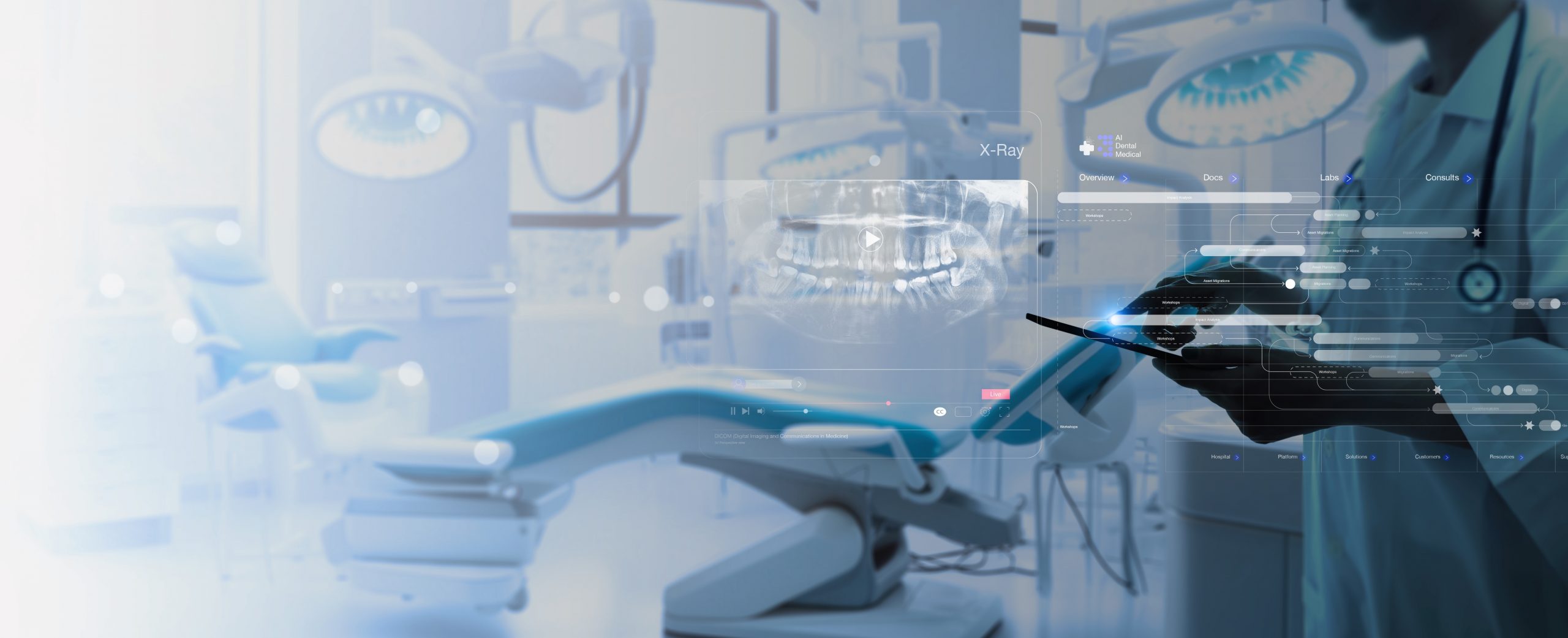
Digital dentistry has moved well past the early-adopter phase. Intraoral scanning, live and AI-assisted scan review and real-time collaboration with the lab are no longer novelties; they’re becoming the baseline for how efficient practices operate.
But owning a scanner isn’t the same as using digital workflows to their full advantage. The practices seeing the biggest improvements in chair time, remake rates and patient throughput are the ones pairing the right hardware with smarter processes at every stage, from scan to seat.
Here are four ways to sharpen your digital workflow and unlock more efficient, more predictable care.
1. Get the scan right before the patient leaves the chair
A restoration is only as good as the scan behind it. Guided scanning software has streamlined the pathway to success here: instead of relying purely on operator experience, step-by-step prompts walk you through capturing every surface, margin and contact needed for the case at hand, whether that’s a single crown or a full-arch denture workflow.
Two extra layers of quality control have made a meaningful difference for practices working with fully digital labs:
- Live scan review – the lab technician can review your scan in real time, while the patient is still in the chair, and flag anything missing before you move on
- AI scan review – automated checks can catch issues such as inadequate occlusal clearance on a crown preparation, or confirm that intraoral and extraoral scans of an existing denture have captured what’s needed for a well-fitting new one.
Together, these checks lower the odds of a return visit purely to redo a scan, and they move quality control to the point where it’s cheapest to fix: before the patient has left the practice. Working with a digitally connected lab also means you’re rarely puzzling through an issue alone.
Some labs, such as Dandy, offer direct access to a lab technician within a couple of minutes of a query, so uncertainty about a scan doesn’t have to sit unresolved until the next day.
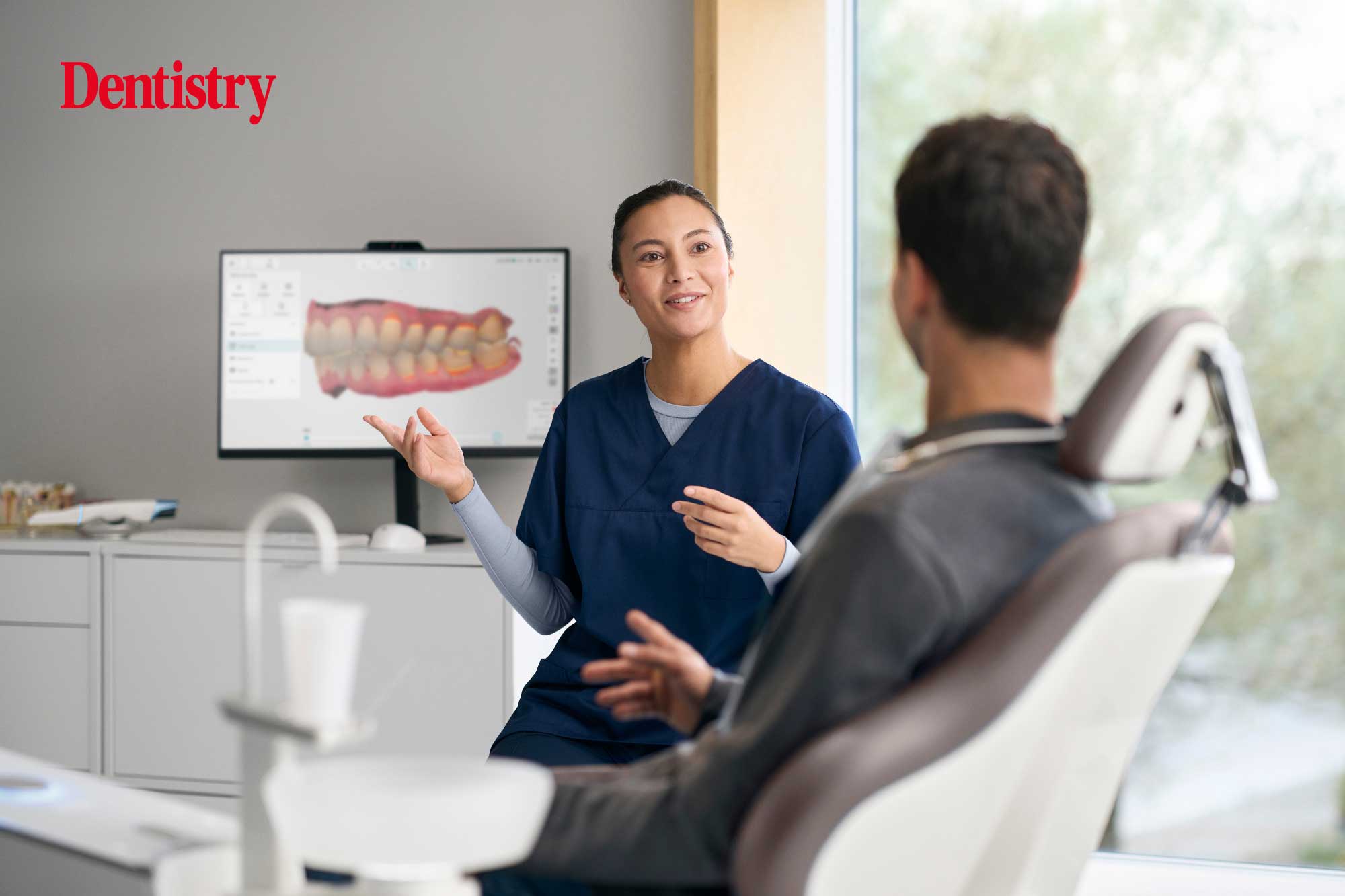
From Live Scan Review from expert lab technicians to AI scan analysis, modern intraoral scanning workflows offer real-time tools that can help make sure your digital impression is perfect and avoid bringing patients back in for re-scans.
2. Add two-appointment dentures to your treatment menu
Providing a patient with a new denture has traditionally been one of the most appointment-heavy workflows in dentistry. Analogue cases often meant several visits, more than one wax try-in, and working with wax and VPS materials that are slow to manage and prone to shifting, with a result that wasn’t always predictable even after all that chair time.
A fully digital denture workflow changes that arithmetic. With a straightforward scanning protocol, many cases now go from first visit to delivery in two appointments rather than five or six.
For a patient with an existing denture, a single 360-degree extraoral scan of that denture is often enough to produce a precise-fitting replacement, no messy impressions required. For patients who have teeth being extracted, an immediate or healing denture follows a similar path, provided a bite can be established at the first appointment.
And in the uncommon instance where a new two-appointment denture doesn’t seat as expected, some labs, Dandy included, treat the delivered denture as a try-in and remake it at no additional cost, so the adjustment doesn’t become the practice’s problem to absorb.
A third appointment becomes a standard party of the workflow when a bite can’t be established at the initial visit. In those cases, an occlusal rim is used to record it before the design proceeds.
For a practice, the appeal of two-appointment dentures isn’t just fewer chairs occupied. It’s a shorter, more predictable path for patients who’ve often waited a long time for a denture that fits properly the first time, which tends to be exactly the kind of experience patients mention to others.
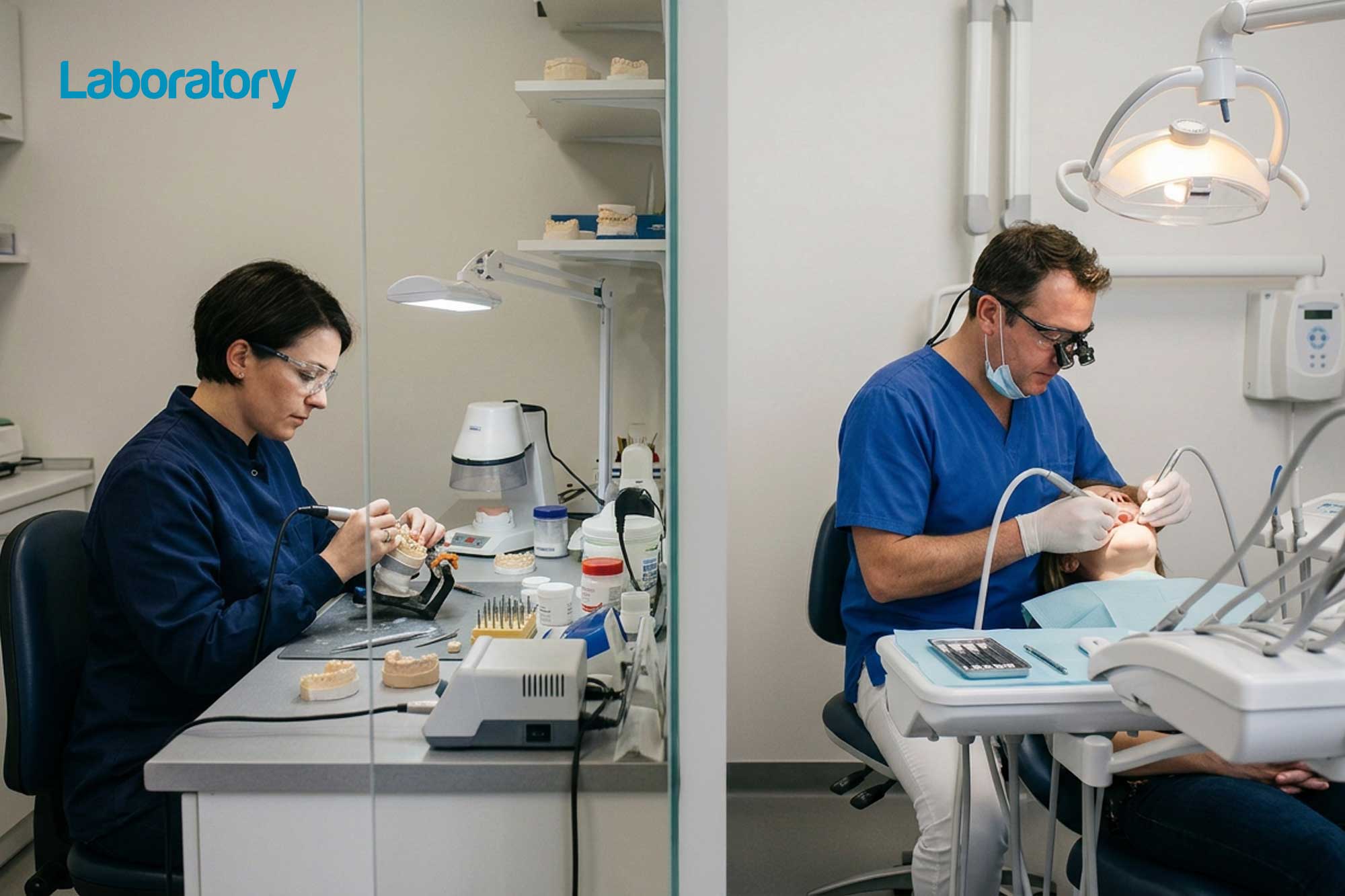
The two-appointment digital denture workflow saves dentists countless hours in chair time by providing a brand new prosthesis for a majority of patients through one simple scanning appointment followed by final delivery during the next patient visit.
Get your free* scanner now. Speak to an expert.
3. Preview and approve the design before it’s milled
The biggest source of chairside adjustments and remakes is often discovered too late, after the restoration has already been manufactured and shipped. Reviewing the design before milling closes that gap.
With tools such as 360-degree Digital Design Previews, available through Dandy, you can rotate and inspect a proposed crown, denture, aligner, surgical guide or other appliance from every angle, zoom in on a specific margin or contact point, and mark up adjustments directly rather than describing them over the phone.
That’s a considerable step up from the more limited alternative many practices are used to: a flat PDF or static image that gives, at best, a rough sense of the final result. You can also take advantage of the option to have a lab technician walk through the case on a recorded or live video call, so the practice and the lab are looking at, and agreeing on, exactly the same design before production starts.
For dentists willing to build this review step into their workflow, it can meaningfully cut down on cases that come back needing to be remade or requiring an adjustment, simply because we’re catching issues on screen instead of in the mouth.
With the latest real-time digital tools, you can review your restoration designs in 360 degrees, easily request changes, or collaborate live with your lab technician to dial in every detail.
4. Take advantage of faster scanning and turnaround times
Scanning hardware keeps improving, and the gains show up directly in appointment length. Newer optical scanners capture in one continuous, video-based pass rather than a series of stops and restarts, which shortens the impression stage of an appointment considerably. Dandy Vision is one example: in the manufacturer’s internal testing, scans ran up to 25% faster than competing scanners, with full-arch scans possible in as little as 45 seconds, aided by a wide 16 x 14mm field of view and sharp depth of field out to 18mm.
Faster capture is only half the equation. Once a case leaves the surgery, turnaround time from the lab has just as much bearing on how quickly a patient is treated. Digital workflows have compressed these timelines well below what was standard even a few years ago. At Dandy, current published turnaround times, including outbound shipping to the practice, run to:
- Six days for monolithic zirconia crown cases, against an industry average closer to 10 days
- Six days for dentures, in the large majority of cases, from initial scan to final delivery
- Eight days for clear aligners following treatment plan approval.
Shorter turnaround doesn’t just mean quicker treatment. It gives practices more flexibility to schedule around it, and fewer patients waiting on a case that’s quietly slipped.
Upgrading your scanner to the latest technology can transform your practice through faster scanning and lab turnaround times, guided scanning workflows, and digital tools that can dramatically reduce remakes and chairside adjustments.
Bringing it together
None of these four steps toward efficiency depend on the others, but they compound. A practice that tightens scanning speed and accuracy, adds two-appointment dentures, reviews designs before milling and works with faster turnaround times isn’t just saving a few minutes here and there. It’s freeing up chair capacity for more patients, keeping the schedule on track, and cutting down on the stress that comes with unpredictable remakes and rebookings, all of which shows up in the numbers at the end of the month.
It also tends to show up in how patients talk about the practice. A denture delivered in two visits, or a crown that fits the first time, is the kind of thing patients notice and mention to others.
For practices weighing where to start, the barrier to trying a modern digital workflow has dropped substantially. Options like a free intraoral scanner placement, offered by Dandy in exchange for a modest monthly lab spend commitment, mean a practice can test a fully digital workflow without a large upfront investment in hardware.
Meet Dandy at Booth F42, Dentistry Show London.
Alternatively, call +44 020 4572 6011 or visit meetdandy.com to learn more.
Apa Reaksi Anda?
 Suka
0
Suka
0
 Kurang Suka
0
Kurang Suka
0
 Setuju
0
Setuju
0
 Tidak Setuju
0
Tidak Setuju
0
 Bagus
0
Bagus
0
 Berguna
0
Berguna
0
 Hebat
0
Hebat
0