



































Adopting Community Cats in India: A Practical Guide to Vaccination, Sterilisation, and TNR

Community cats are a familiar sight across Indian neighbourhoods, from Mumbai apartment complexes to quiet lanes in Jaipur. These free-roaming felines often depend on kind locals for food, shelter, and basic care. If you have been feeding a friendly stray and are considering bringing one home, the process involves more than love alone. Responsible adoption includes vaccination, sterilisation, and an understanding of community welfare practices like TNR. This guide walks you through every step, with practical advice suited to Indian climate, local vet availability, and the realities of urban pet parenting. If you plan to adopt one cat or support an entire colony, informed care protects both the animals and your family.
What is a Community Cat?
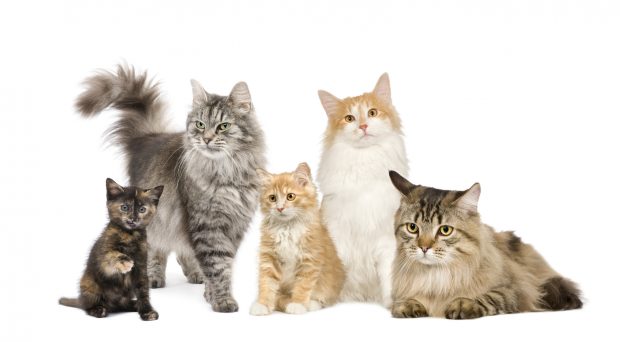
A community cat is any free-roaming feline that lives outdoors and is not owned by a single person. Some are friendly and social, often fed by multiple residents. Others are wary of humans and prefer distance. In India, community cats are usually desi mixed-breed cats, well adapted to local weather, varied food sources, and street conditions. They may form small colonies near markets, residential blocks, or quiet corners. Not every community cat wants or needs a home, but many kittens and sociable adults can transition indoors successfully with patient handling and the right support. Understanding this difference is the first step toward responsible care.
Why Adoption and TNR Matter in India
India has a growing population of free-roaming cats, and uncontrolled breeding leads to overcrowded colonies, higher disease rates, and more road injuries. Responsible adoption gives individual cats a safer life, while TNR controls colony size humanely. According to the Animal Welfare Board of India, sterilisation under Animal Birth Control rules is the recognised method for managing street animal populations. Rabies also remains a public health concern in India, which makes vaccination of community cats a shared responsibility. When residents, feeders, and animal welfare NGOs work together, neighbourhoods become calmer, cleaner, and safer for both animals and people. Even if you cannot adopt, you can still contribute to a healthier local cat population through small, consistent actions.
Building Trust Before Adoption
Before you bring a community cat home, spend time earning its trust. Offer food at the same spot daily. Speak softly and avoid sudden movements. Watch for signs of comfort such as slow blinking, relaxed posture, and willingness to approach. Once the cat allows gentle touch, introduce a carrier by placing treats inside it over several days. This slow approach reduces stress during the actual move. For kittens under eight weeks, socialisation is usually quicker. For older cats, patience of two to four weeks is normal. Clean fresh water and a small portion of good quality cat food make this bonding stage easier and more consistent.
Vaccination Essentials for Community Cats
Vaccination is the first medical step after adoption. Community cats face higher exposure to viruses and parasites than indoor-born kittens, so timely shots are important. Core vaccines recommended by veterinarians in India include:
-
FVRCP (Feline Viral Rhinotracheitis, Calicivirus, Panleukopenia): Protects against three common and serious viral infections.
-
Rabies: Mandatory in India due to public health laws and the ongoing risk of exposure in free-roaming animals.
-
FeLV (Feline Leukemia Virus): Recommended for cats with outdoor access or multi-cat households.
The American Association of Feline Practitioners advises an initial vaccine series followed by annual boosters. For adopted strays, your veterinarian will usually run a basic health check, deworm the cat, and start vaccines once the cat is stable and parasite free. In warm humid Indian cities, parasite control runs alongside vaccination, since fleas, ticks, and ear mites are common throughout the year. Keep a vaccination card updated and set calendar reminders for annual boosters.
Sterilisation and Spay or Neuter
Sterilisation is one of the most responsible steps you can take for a community cat, adopted or returned to the colony. Spaying females and neutering males prevents unwanted litters, reduces territorial fighting, lowers roaming behaviour, and cuts the risk of certain reproductive cancers. The American Veterinary Medical Association notes that sterilisation improves long term health in cats and supports overall community wellbeing. In India, several NGOs and municipal programmes offer low cost or free sterilisation for community cats. Private clinics usually charge between Rs. 2,000 and Rs. 6,000 depending on the city and facility. Recovery takes about seven to ten days. Keep the cat indoors in a calm, clean space, feed soft meals, and watch the stitches for swelling or discharge. Avoid bathing during this period and limit active play. Soft bedding and nutritious cat health care supplies help the healing stage move along smoothly and comfortably.
Understanding TNR and How It Works
TNR stands for Trap, Neuter, Return. It is the humane method of managing community cat colonies without harming the animals. The process has three stages:
-
Trap: Trained volunteers use humane box traps to safely catch cats without injury.
-
Neuter: A qualified vet sterilises and vaccinates each cat, then performs ear tipping for easy identification.
-
Return: Cats are released back to their original territory, where feeders continue to support them with food and water.
TNR works because sterilised colonies stop growing. Over time, population drops, nuisance behaviours reduce, and overall cat health improves. If you cannot adopt but still want to help, partner with a local animal welfare group. Many Indian cities including Bengaluru, Pune, Chennai, and Delhi have active TNR networks run by passionate volunteers. You can fund a single surgery, foster a recovering cat for a week, or report unsterilised colonies in your area to local NGOs. Every small action contributes to a more balanced, humane neighbourhood for people and animals alike.
Settling Your New Cat at Home
Once vaccinated and sterilised, your new cat needs a quiet space to adjust. Set up a small room with a litter box, water bowl, scratching post, and a cosy bed away from loud appliances. Let the cat explore at its own pace. Keep windows screened, since previously outdoor cats sometimes try to escape in the first few weeks. Monsoon and summer months in India can bring humidity related skin issues, so brush your cat regularly and watch for excessive scratching. Offer balanced meals, fresh water, and gentle play with simple cat toys. A clean cat litter setup placed in a quiet corner also encourages faster bathroom training. Within a month, most adopted community cats settle into their new routine beautifully.
Final Thought
Adopting or caring for a community cat in India is one of the most rewarding ways to make your neighbourhood kinder. With timely vaccination, humane sterilisation, and strong support for TNR efforts, you help both your adopted companion and the wider feline community. Explore trusted supplies and expert resources on PetsWorld to begin your journey as a confident and compassionate cat parent today.
Frequently Asked Questions
1. Can every community cat be adopted into a home?
Not always. Friendly cats and young kittens usually adjust well indoors, but highly feral adults may be happier remaining in their original colony with proper TNR support and regular feeding by local caretakers.
2. How much does it cost to adopt and care for a community cat in India?
Initial costs including vaccination, sterilisation, deworming, and basic supplies usually range from Rs. 5,000 to Rs. 12,000. Monthly care including food, litter, and routine essentials averages Rs. 1,500 to Rs. 3,000 depending on the city and brand preferences.
3. Is rabies vaccination mandatory for pet cats in India?
Yes. Rabies vaccination is strongly advised for all pet cats in India due to public health concerns and local legal requirements in many states. Boosters are given annually or as per your veterinarian’s advice.
4. What is ear tipping and why is it done during TNR?
Ear tipping is a small painless mark on the tip of a cat’s left ear made under anaesthesia during sterilisation. It helps identify sterilised cats from a distance and prevents repeat trapping, saving the animal unnecessary stress.
5. Can I feed a community cat without adopting it fully?
Yes. Responsible feeding at consistent spots, along with sterilisation and vaccination support, is a wonderful way to help colony cats live healthier lives. Many feeders slowly become foster or adoptive parents over time as trust builds naturally.
Apa Reaksi Anda?
 Suka
0
 Kurang Suka
0
 Setuju
0
 Tidak Setuju
0
 Bagus
0
 Berguna
0
 Hebat
0