






































How to Add Omega-3 Oils to Your Dog's Diet Safely

Omega-3 oils are one of the most recommended supplements for dogs, and for good reason. They support skin, coat, joints, brain, heart, and overall wellness. But adding them to your dog's diet is not as simple as pouring a few drops over kibble and hoping for the best. Dosage, source quality, and storage all matter, especially in Indian conditions.
This guide walks through exactly how to add omega-3 oils to your dog's diet safely. You will learn which source suits your dog, how much to give, when to give it, and what signs to watch for along the way.
Why Omega-3 Matters for Dogs
Omega-3 fatty acids are essential fats that dogs cannot produce on their own. They must come from food or supplementation. The three main types are:
-
EPA (Eicosapentaenoic Acid): Reduces inflammation, supports joint comfort and skin health
-
DHA (Docosahexaenoic Acid): Supports brain development, vision, and cognitive health
-
ALA (Alpha-Linolenic Acid): Found in plant sources like flaxseed, but poorly converted by dogs
Most commercial dog foods contain some omega-6 but very little omega-3. That imbalance is why adding omega-3 through supplementation brings such visible results in coat shine, reduced shedding, and overall vitality.
Types of Omega-3 Sources for Dogs
Different oils deliver different amounts and qualities of omega-3. Pick based on your dog's needs and budget.
-
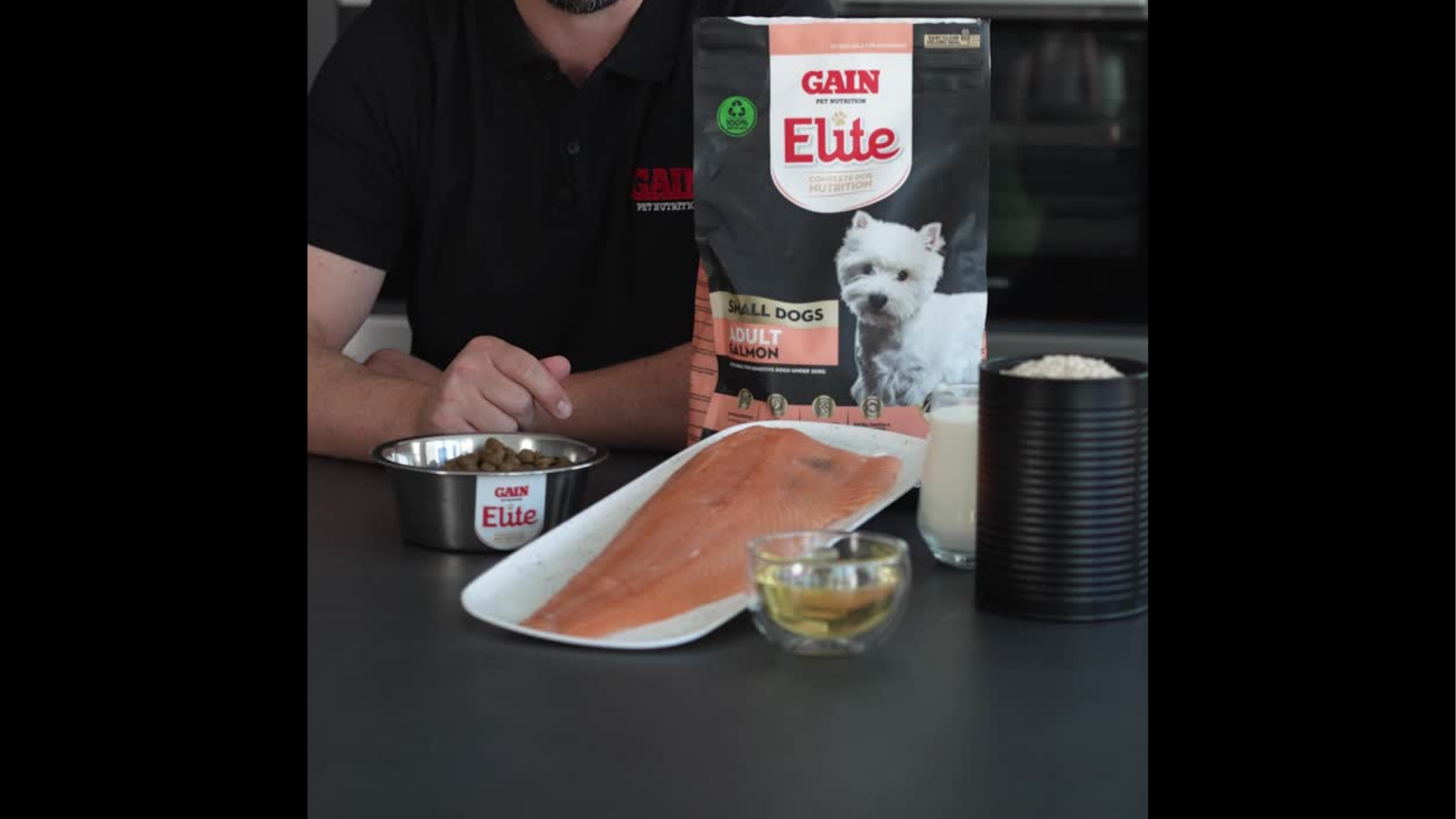
Salmon Oil: The gold standard for dogs. Rich in EPA and DHA. Great taste, well absorbed, and widely available in India.
-
Sardine Oil: A close second. Lower mercury content because sardines are small fish low on the food chain.
-
Cod Liver Oil: Contains EPA, DHA, plus vitamins A and D. Use cautiously, as too much vitamin A can cause toxicity.
-
Krill Oil: Small, sustainable, and highly bioavailable. Slightly more expensive.
-
Algae Oil: Plant-based DHA source, ideal for dogs allergic to fish.
-
Flaxseed or Chia Seed Oil: Contain ALA, which dogs convert poorly. Useful as mild everyday additions only.
Fish-based oils remain the most effective choice for visible results. Plant-based options work better as gentle everyday toppers.
How to Calculate the Right Dosage
Getting the dose right is the most common mistake pet parents make. Too little will not show results. Too much can cause digestive issues.
General guide: Aim for about 50 to 75 mg of combined EPA and DHA per kilogram of body weight per day.
Rough daily dose by dog size:
-
5 kg small dog: 250 to 375 mg EPA plus DHA
-
10 kg medium dog: 500 to 750 mg
-
20 kg Labrador: 1000 to 1500 mg
-
30 kg German Shepherd: 1500 to 2250 mg
-
40 kg large breed: 2000 to 3000 mg
Always read the EPA and DHA values on the label, not total fish oil content. Start with half the target dose for 7 to 10 days, then gradually increase. Dogs with existing joint or inflammation issues may benefit from slightly higher doses, up to 100 mg per kg, under vet guidance. If your dog takes blood thinners or NSAIDs, consult your vet first.
How to Add Omega-3 Oils to Your Dog's Meals
Delivery matters as much as dosage. Here are safe, practical ways to add omega-3 to your dog's diet:
-
Pour over kibble: Drizzle the daily dose over dry food right before serving. Oil absorbs better with food.
-
Mix into wet food: Stir into wet food, boiled chicken, or curd for picky eaters.
-
Use a pump bottle: Measured pumps make daily dosing easy and consistent.
-
Offer capsules with food: Hide fish oil capsules in a small piece of paneer or meat.
-
Split the dose: For sensitive stomachs, give half with breakfast and half with dinner.
-
Stick to a routine: Same time each day helps your dog's system adapt.
Most dogs love the flavour of salmon and sardine oils. For dogs who dislike fish smells, algae or krill oil are good alternatives. Avoid pouring fish oil on very hot food, as heat damages the omega-3 structure.
Safety Precautions and What to Avoid
Omega-3 is generally very safe, but there are a few rules to follow:
-
Do not use rancid oils. Oxidised fish oil smells sour and loses benefits.
-
Do not exceed recommended doses. Over 300 mg per kg daily can cause issues.
-
Skip low-quality bulk imports, which may carry heavy metal contamination.
-
Check for fish allergies. Watch for itching, vomiting, or swelling.
-
Consult your vet before starting, especially for dogs with diabetes, pancreatitis, or blood clotting disorders.
The American Kennel Club recommends starting slow and increasing gradually. Quality matters more than quantity when it comes to omega-3 for dogs.
Signs Omega-3 Is Working
Give it time. Most dogs show visible improvements within 4 to 8 weeks of consistent supplementation. Watch for:
-
Shinier, softer coat within 2 to 3 weeks
-
Reduced shedding over 4 to 6 weeks
-
Less itching and flaky skin
-
Softer paw pads and nose
-
Increased energy and playfulness
-
Easier movement, especially in senior dogs
-
Faster healing of small wounds
If you see no improvements after 10 to 12 weeks, the dose may be too low or the oil quality may be poor. Consult your vet before switching brands.
Signs of Overdose or Side Effects
Too much omega-3 can cause problems. Watch for:
-
Loose stools or diarrhoea: Usually the first sign of too much oil
-
Fishy breath or body smell: A mild sign, but strong fishiness means the dose is excessive
-
Weight gain: Omega-3 adds calories. Adjust kibble slightly.
-
Nausea or vomiting: Restart at half the dose after a short break
-
Blood clotting issues: Rare but possible at high doses
If you notice any of these signs, stop supplementation for 3 to 4 days, then restart at half the dose. Persistent symptoms warrant a vet consultation.
Storage Tips for Indian Climate
Heat and humidity in India shorten oil shelf life. Store correctly to preserve potency:
-
Keep the bottle tightly sealed at all times
-
Store in the refrigerator after opening, especially during monsoon
-
Keep capsules in original blister packs, away from direct sunlight
-
Use within 6 to 8 weeks of opening liquid oils
-
Smell before feeding. Fresh fish oil smells mild. Rancid oil smells sharp or sour.
-
Buy smaller bottles more often rather than stockpiling large ones
Final Thoughts
Adding omega-3 to your dog's diet is one of the easiest wellness upgrades you can make. Pick a quality fish oil, match the dose to your dog's weight, and pair it with meals for best absorption. Store properly in Indian humidity, watch for signs of both benefit and overdose, and keep the routine consistent for at least 8 weeks.
Browse PetsWorld's health and supplements collection for trusted omega-3 oils for your dog.
FAQs
How much omega-3 should I give my dog daily?
Aim for 50 to 75 mg of combined EPA and DHA per kilogram of your dog's body weight per day. A 10 kg dog needs 500 to 750 mg. Always read the EPA and DHA values on the label, not total oil volume.
Can puppies take omega-3 supplements?
Yes, and they benefit greatly. DHA supports brain, vision, and immune development. Use puppy-appropriate doses, usually half the adult weight-based dose, and always check with your vet, especially for large breeds.
What is the best omega-3 source for dogs in India?
Salmon oil and sardine oil are the most effective and widely available options. Both deliver high EPA and DHA content with minimal mercury concerns. Indian-made or regulated import brands are usually safer than bulk unbranded imports.
Can I give my dog human fish oil supplements?
Only under vet supervision. Many human fish oil capsules are safe, but dosages and added ingredients can vary. Dog-specific products are usually easier to dose correctly and avoid human-only additives.
How long does it take for omega-3 to show results?
Most dogs show coat improvements within 2 to 3 weeks. Full results, including reduced shedding, better skin, and joint comfort, typically appear in 4 to 8 weeks of daily supplementation. Consistency matters more than dose size.
Apa Reaksi Anda?
 Suka
0
Suka
0
 Kurang Suka
0
Kurang Suka
0
 Setuju
0
Setuju
0
 Tidak Setuju
0
Tidak Setuju
0
 Bagus
0
Bagus
0
 Berguna
0
Berguna
0
 Hebat
0
Hebat
0