





























Overview of worm infestations in chickens: integrated control, preventive strategies, and novel diagnostic tools
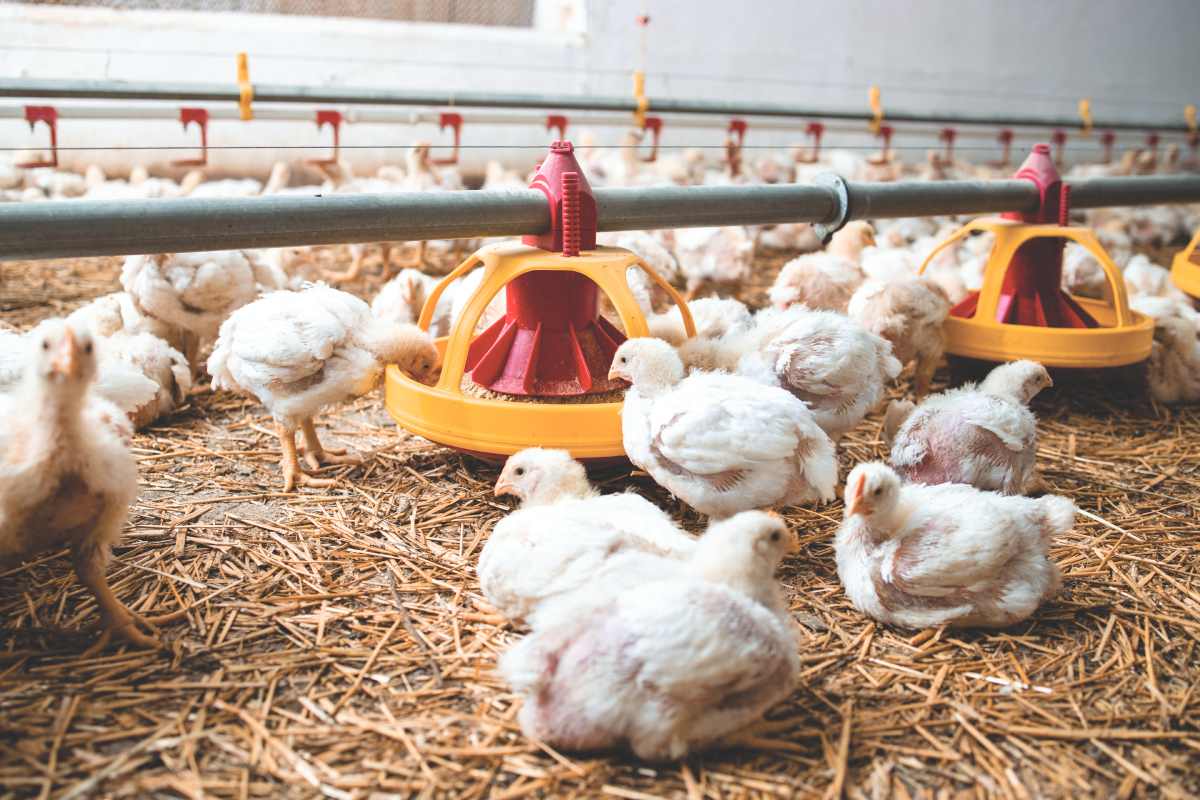
The transition toward alternative and free-range housing systems has led to a renewed increase in helminth infection pressure in poultry production. Intestinal worms not only cause direct gastrointestinal damage but also impair immune competence and productivity, emphasizing the need for accurate diagnosis, monitoring, and flock-specific control strategies. Integrated prevention, evidence-based deworming programs, and continued research into novel diagnostic and control approaches are essential for sustainable helminth management in modern poultry systems.
➤ Hilde Van Meirhaeghe1,2, Swati Karki1,3, Giuditta Tilli1, Maarten De Gussem1,2
1 Vetworks bvba, Knokstraat 38, Poeke B-9880, Belgium (hilde.vanmeirhaeghe@vetworks.eu; giuditta.tilli@vetworks.eu; maarten.degussem@vetworks.eu)
2 Faculty of Veterinary Medicine, University of Ghent, Salisburylaan 133, 9820 Merelbeke, Belgium
3 Poulpharm bvba, Prins Albertlaan 112, 8870 Izegem, Belgium
Re-emergence of worm infestations in modern poultry production
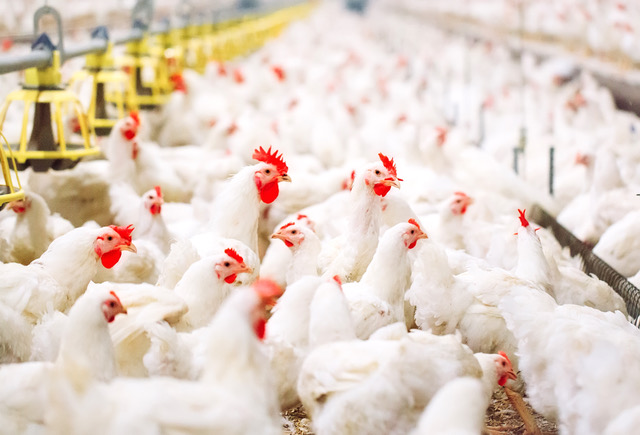
Back in time, the shift from extensive, free-range keeping on the farmyard or in pens to intensive poultry production with permanent housing and the use of battery cages has largely eliminated worm diseases1. Due to consumer demand for higher animal welfare standards, the trend has now reversed: chickens are once again spending time outdoors, and following the EU ban on conventional battery cages, the prevalence of worm infections has increased. This higher risk applies not only to free-range chickens but to all housing systems where birds can scratch and peck, thereby coming into contact with feces. According to a recent study looking at the prevalence of worms in worldwide poultry production, the most prevalent worm species are the large roundworm (Ascaridia galli), the small roundworm (Heterakis gallinarum), hairworms (Capillaria spp.), and the large tapeworm (Raillietina cesticillus), out of more than 30 worm species detected2. Other species are less common in industrially housed chickens, such as the small tapeworm (Davainea proglottina) and the gape worm (Syngamus trachea).
What should be taken into account for an effective deworming program
To assess and control worm infections, it is essential to understand different key aspects of worms:
Life cycle
The roundworms (Ascaridia, Heterakis, and Capillaria) have a direct life cycle: the worm eggs develop in the external environment, and after 1–2 weeks, a larva forms inside the egg. When the egg is ingested by a chicken, the larva is released and begins its migration through the various stages of the parasite within the gastrointestinal tract. Some larval stages embed in the intestinal wall, while the adult worm resides in the intestinal lumen or in the folds of the mucosa.
The tapeworms (Raillietina, Davainea) have an indirect life cycle: the eggs develop into larvae (cysticercoids) within an intermediate host such as beetles or flies. Chickens ingest the infected intermediate host and the larva is released in the intestine, attaches to the intestinal wall, and develops into an adult worm. After 2–3 weeks, mature segments containing eggs (proglottids) are excreted in the feces and can be ingested by the intermediate host again.
Prepatent period
The prepatent period is the time between ingestion of an infective egg by a chicken and the shedding of worm eggs by the same chicken. This period should be known, as it varies by worm species and is a critical factor when designing a control program.
Mechanisms of resistance in the environment
Worm eggs are highly resilient and, under favorable conditions of temperature, relative humidity, and oxygen availability, can remain infective for months or even years. If the life cycle also involves an intermediate or transport host, such as an earthworm, the parasite’s survival chances are further increased. A transport host serves as a protective carrier for the parasite but is not essential to complete the life cycle. Table 1 summarizes the key aspects for the main worm species.
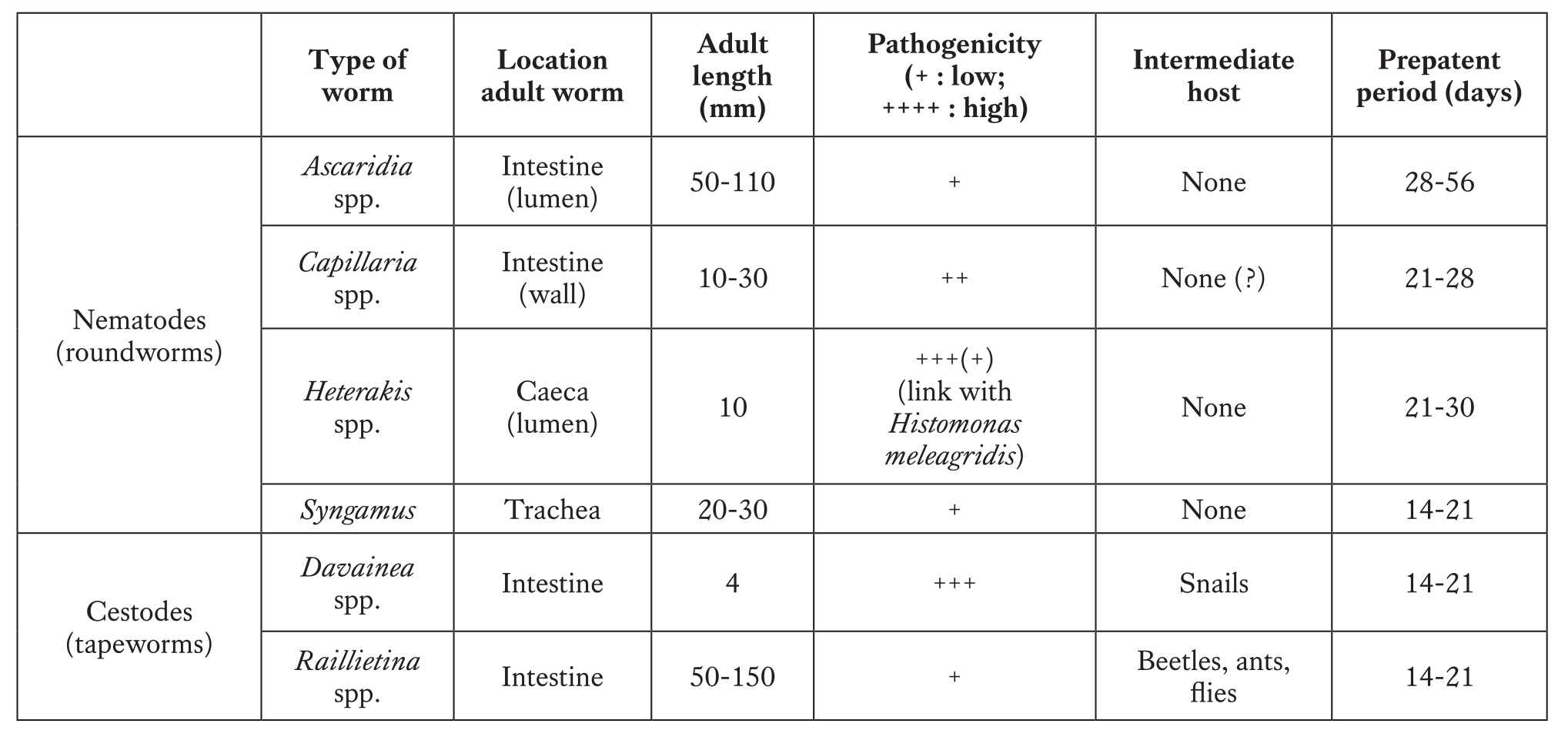
Main problems in poultry production caused by worm infestations
Young birds are particularly susceptible to worm infections; in older birds, the effects are often less severe, suggesting the development of a certain degree of natural immunity. The impact also largely depends on the worm burden and on the level of infection pressure.
Direct damage caused by worms
- Ascaridia galli causes inflammation and bleeding in the intestinal wall due to larvae penetrating the mucosa of the small intestine. This results in damage to the intestinal lining, which can lead to diarrhea and reduced nutrient absorption. In cases of heavy infestation, intestinal obstruction may occur due to tangles of roundworms. In laying hens or breeding birds, sudden drops in egg production may be observed. Very rarely, but occasionally reported, worms may reach the egg via migration through the abdominal cavity to the oviduct or via the cloaca. While this does not pose a significant public health risk, it can understandably alarm consumers.
- Heterakis gallinarum generally causes limited direct damage, as the worms primarily reside in the cecal lumen and larvae remain in the cecal wall only briefly. Nevertheless, the ceca may exhibit localized inflammation and mucosal thickening. Importantly, Heterakis gallinarum acts as the intermediate host for Histomonas meleagridis, a flagellated protozoan responsible for blackhead disease. Histomonas is an example of a “superparasite”: it not only requires an intermediate host (Heterakis gallinarum) but can also persist in a transport host, such as earthworms, for extended periods, greatly enhancing its spread. Blackhead, well known in turkeys, can also cause severe diseases in laying hens or breeding birds, primarily through cecal inflammation.
- Capillaria spp. may be found in the crop and esophagus, but primarily in the small intestine. Mild infections cause thickening and inflammation of the crop and esophagus. Severe infections of the small intestine result in bloody diarrhea, weight loss, and anemia. In free-range or litter-reared chickens, the number of Capillaria eggs can increase significantly, leading to heavy infestations. In laying hens, this may cause reduced egg production and vitamin A deficiency, and in breeding birds, hatchability can be compromised.
- Raillietina cesticillus infection can lead to weight loss, weakness, impaired growth, and decreased egg production. This tapeworm resides in the intestinal lumen, and damage is primarily due to competition for nutrients with the host. Eggs are shed in feces approximately two weeks after ingestion of an infected intermediate host, and if an intermediate host is present, it can facilitate new infections. Under favorable conditions, infection pressure can increase rapidly, and eggs can survive for extended periods within the intermediate host.
Indirect damage caused by worms
Beyond the direct damage caused by worms, primarily in the gastrointestinal tract, worm infections also affect the overall health status of chickens. Typically chronic rather than acute symptoms are observed. Worms compete with the host for feed nutrients, which can lead to deficiencies resulting in growth retardation, reduced production, and decreased immunity. In general, infested chickens are less active; however, they may also exhibit more aggressive behavior and take more dust baths.
Because chickens infested with worms have reduced resistance, they are more susceptible to other pathogens, including bacteria and viruses. Local intestinal damage caused by worms facilitates the entry of organisms through the gut wall, increasing their pathogenic potential. Moreover, bacteria or viruses may be present on or within worm eggs, contributing to their spread. This has been reported, for example, with Salmonella and adenoviruses and reoviruses.
Is there natural resistance to worms?
Worm infestations trigger a broad range of immune responses. This is due not only to the parasite’s complex antigenic structure but also to the presence of different developmental stages (larvae and adult worms) located in various tissues. Chickens can develop protective immunity against worms, which helps maintain infection at a low level. Such immunity reduces egg production by the worms, prolongs the prepatent period, and limits worm growth. However, under heavy infection pressure, natural resistance may be insufficient to provide protection. Natural resistance depends on factors such as age, genetic predisposition, hormonal status (e.g., onset of laying), stress, and nutrition.
Diagnosis and monitoring: old and new tools
To determine when a flock should be treated and how it responds to treatment, it is essential to use a reliable method for diagnosis and monitoring. The goal is to identify which worm species are present and to assess the severity of the infestation. On top of the traditional methodologies, new diagnostic and monitoring tools linked to early detection of roundworm infestations are currently being used. A full overview of all the tools is presented in Table 2.
| Diagnostic tool | Description | Pros | Cons |
|---|---|---|---|
| Clinical symptoms | Observation of clinical symptomatology from the flock.
Tip for success: Start the visit by observing the whole flock signals (What am I seeing, hearing, smelling, feeling? What is the signal behind?). |
Non-invasive, minimal equipment needed, could be frequently done. |
Very non-specific symptoms (e.g., inactivity, weight loss, increased FCR, drop in production, anemia, ruffled feathers) or no measurable symptoms. |
| Direct detection of worms |
Post-mortem examination of the gut. Qualitative and quantitative assessment can be done (i.e., which worms are present and how many).
Tip for success: Proper selection of birds in the barn and examination of the gut throughout its whole length. For round worms: counting of the worms; for tapeworms: counting of the heads (scolex) attached to the intestinal lumen. |
Confirmation of the presence of the worms, species identification, quantification of worm infestation burden. | Requires training, valuable birds could be euthanized, small sample size. |
| Indirect detection of worms |
Fecal examination allows determination of the worm species present in the flock. By counting the number of worm eggs per gram of feces (EPG, eggs per gram), an estimate of infestation intensity can be obtained.
Tip for success: Collection of representative samples from the flock (mixture of fresh faeces and droppings collected proportionally from different parts of the barn). |
Non-invasive methodology, confirmation of the presence of the worms. | Requires training, late diagnosis, difficult to differentiate eggs from some species (e.g., A. galli vs. H. gallinarum), intermittent shedding of eggs (prepatent period) and in varying numbers (immune status). |
| Serology | ELISA assays designed for the early detection of roundworm infestations are based on the identification of parasite-specific antigens that elicit an immune response in the chicken.
Tip for success: Start monitoring the flocks at six weeks. |
High sensitivity and specificity, early detection, flock surveillance. | Limited quantification of worm burden, laboratory requirements and costs. |
Table 2 – Summary of the main monitoring and diagnostic tools for worm infestations in poultry
Before deciding to initiate treatment, one should consider not only the results of fecal and post-mortem examinations but also the overall health status of the flock.
Treatment options
A good anthelmintic for poultry should be effective against adult worms, larval stages, and eggs, and should cover the different helminth species commonly found in chickens. All birds within the flock must ingest an adequate amount of the product. For this reason, treatment is administered over several consecutive days. Currently in Europe only two active substances are approved for deworming in chickens: flubendazole and fenbendazole. Both can be administered either via feed (powder formulation) or drinking water (oral suspension/emulsion). There is no withdrawal period for eggs. Additional active substances that can be used outside Europe are albendazole, piperazine, and levamisole.
Most helminth species become clinically relevant only when present in large numbers. It is also important to consider the specific worm species identified, as their pathogenicity varies and the prepatent period differs among species.
Different deworming strategies
The goal of an effective control program against worm infections is to maintain infection pressure on the farm as low as possible. Even after deworming, litter or outdoor areas remain contaminated with worm eggs and, in some cases, with intermediate or transport hosts, resulting in continuous reinfection. Two main approaches can be applied: “monitored” or “strategic” monitoring programs.
Monitored treatment involves regular monitoring and intervention only when infection is detected. This carries the risk that significant damage may already have occurred by the time treatment is applied. Strategic treatment involves deworming at regular intervals before eggs can develop into new worms (i.e., within the prepatent period). In theory, this means:
- Large roundworm: every 6 weeks
- Small roundworm: every 4 weeks
- Hairworms: every 3 weeks
Typically, it is recommended to deworm young birds every 6-8 weeks. As hens age, longer intervals can be implemented, because the prepatent period tends to increase. Pullets intended for production should ideally be dewormed before entering lay. This prevents harmful effects of worms during the period when hens are most susceptible, at the onset of laying.
Prevention of worm infestations
As with any infection, preventing introduction is essential in controlling worm infestations. Worm eggs are highly resistant and can survive for extended periods under favorable conditions, such as in free-range environments. Complete disinfection of outdoor areas is practically impossible, but rotation of grazing areas and proper drainage can reduce infection risk.
Feces or litter from infested farms can be introduced via trucks, visitors, or other fomites. Therefore, decontamination measures before entering in contact with the birds (e.g., hygiene locks) should be thoroughly implemented. Another critical point is the control of pests, insects, and wild birds, which is particularly challenging in free-range systems.
Take-home messages
Nearly all floor-housed poultry farms are affected by helminth infections, and the increasing adoption of alternative and free-range systems is expected to further raise infection pressure across the sector. Beyond gastrointestinal damage, helminths impair general health and immune competence, contributing to production losses through nutrient competition and interaction with other pathogens.
Effective control requires a flock-specific, evidence-based deworming strategy integrated into overall farm management and guided by accurate diagnosis and monitoring. Given the renewed relevance of helminth infections under modern housing conditions, further research into resistance, alternative control measures, vaccination, and environmental management is essential for sustainable long-term control.
Bibliography
1 Janssens, P. G., Vercruysse, J., & Jansen, J. (1989). Worms and worm diseases in humans and domestic animals.
2 Shifaw, A., Feyera, T., Walkden-Brown, S. W., Sharpe, B., Elliott, T., & Ruhnke, I. (2021). Global and regional prevalence of helminth infection in chickens over time: A systematic review and meta-analysis. Poultry Science, 100(5), article 101082. https://doi.org/10.1016/j.psj.2021.101082
Apa Reaksi Anda?
 Suka
0
Suka
0
 Kurang Suka
0
Kurang Suka
0
 Setuju
0
Setuju
0
 Tidak Setuju
0
Tidak Setuju
0
 Bagus
0
Bagus
0
 Berguna
0
Berguna
0
 Hebat
0
Hebat
0