




































Machine learning authentication of laying hen housing via egg quality
Introduction
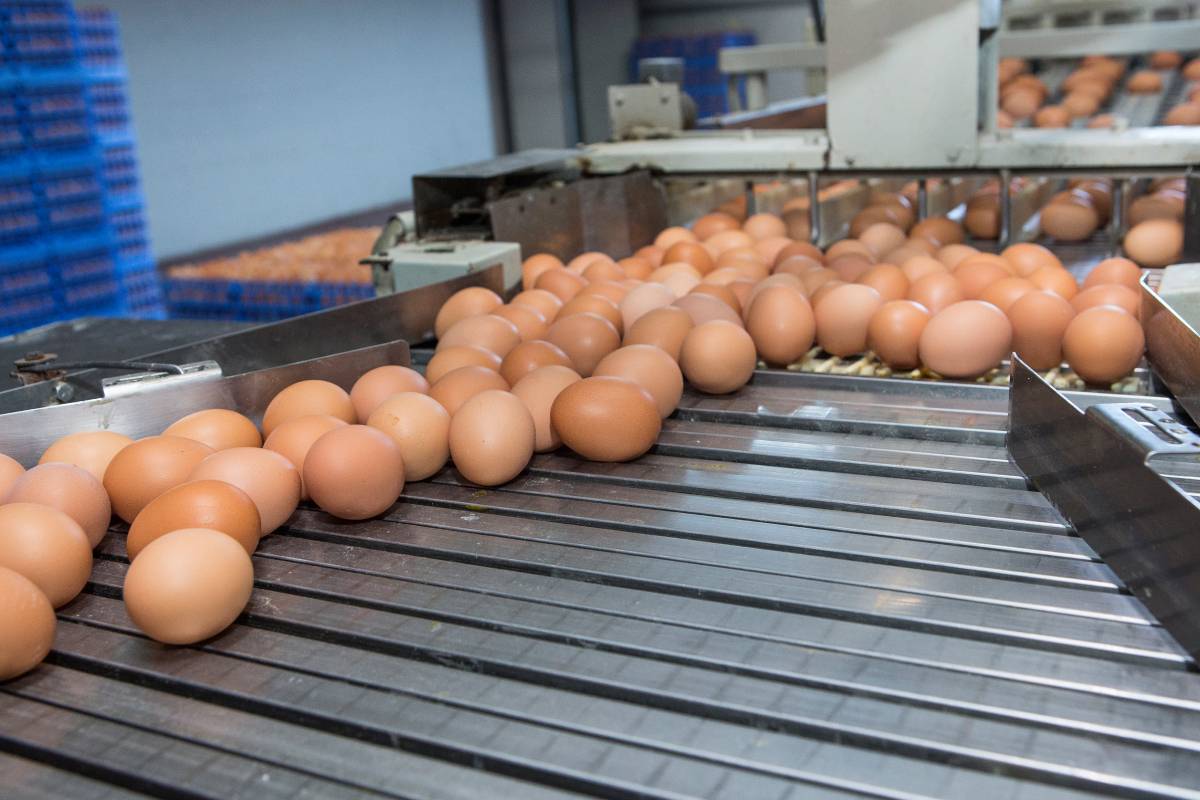
Egg quality is a critical indicator of poultry welfare and consumer trust. Mislabeling of housing systems—such as cage, barn, free‑range, or organic—represents a growing food fraud concern. Machine learning (ML) offers a robust solution by analyzing egg quality parameters to authenticate production systems. Recent studies highlight the potential of ML models to classify eggs with high accuracy, ensuring transparency in the poultry industry1.
Egg quality parameters as predictors
Egg quality encompasses shell strength, yolk composition, albumen height, and chemical markers. These parameters vary significantly depending on the housing system, influenced by factors such as diet, stress, and environmental conditions. For instance, free‑range hens often produce eggs with higher yolk pigmentation and stronger shells compared to caged hens. By quantifying these differences, ML algorithms can establish predictive models that distinguish housing systems with remarkable precision2.
Machine learning models in authentication
Support Vector Machines (SVM), Random Forests, and Neural Networks are among the most effective ML techniques applied to egg authentication. A large‑scale study analyzing over 4,000 egg yolks using ^1H NMR spectroscopy demonstrated that SVM achieved 98.5% cross‑validation accuracy, outperforming other models. This highlights the suitability of ML for complex classification tasks where subtle biochemical differences must be detected.
Integration of spectroscopy and isotope analysis
Beyond traditional egg quality metrics, advanced methods such as nuclear magnetic resonance (NMR) and stable isotope analysis have been integrated with ML. These techniques capture chemical fingerprints of eggs that reflect housing conditions and feed composition. Seasonal variations, which can complicate authentication, are effectively addressed by combining isotope data with ML classifiers, ensuring consistent accuracy across production cycles 3.
Implications for food fraud prevention
The application of ML in egg authentication has direct implications for combating food fraud. Supermarket testing revealed that only 62.8% of eggs matched their labeled housing system, underscoring the prevalence of mislabeling. ML‑based verification systems could be implemented at production and retail levels to safeguard consumer trust and regulatory compliance. This approach also supports traceability initiatives within sustainable agriculture frameworks.
Conclusion
Machine learning provides a powerful tool for authenticating laying hen housing systems through egg quality parameters. By integrating biochemical data, spectroscopy, and isotope analysis, ML models achieve high classification accuracy, offering a scalable solution to food fraud. Future research should focus on expanding datasets across breeds and regions, ensuring global applicability of these models. Ultimately, ML‑driven authentication strengthens transparency, enhances consumer confidence, and promotes ethical poultry production.
References:
- Research note: A machine learning approach for authentication of laying hen housing systems based on egg quality parameters (2026).
- Authentication of Laying Hen Housing Systems Based on Egg Yolk Using 1H NMR Spectroscopy and Machine Learning (2024).
- Egg authentication under seasonal variation using stable isotope analysis combined with machine learning classification (2025).
Apa Reaksi Anda?
 Suka
0
Suka
0
 Kurang Suka
0
Kurang Suka
0
 Setuju
0
Setuju
0
 Tidak Setuju
0
Tidak Setuju
0
 Bagus
0
Bagus
0
 Berguna
0
Berguna
0
 Hebat
0
Hebat
0