





























Sharan panta: making an impact is the meaning of business
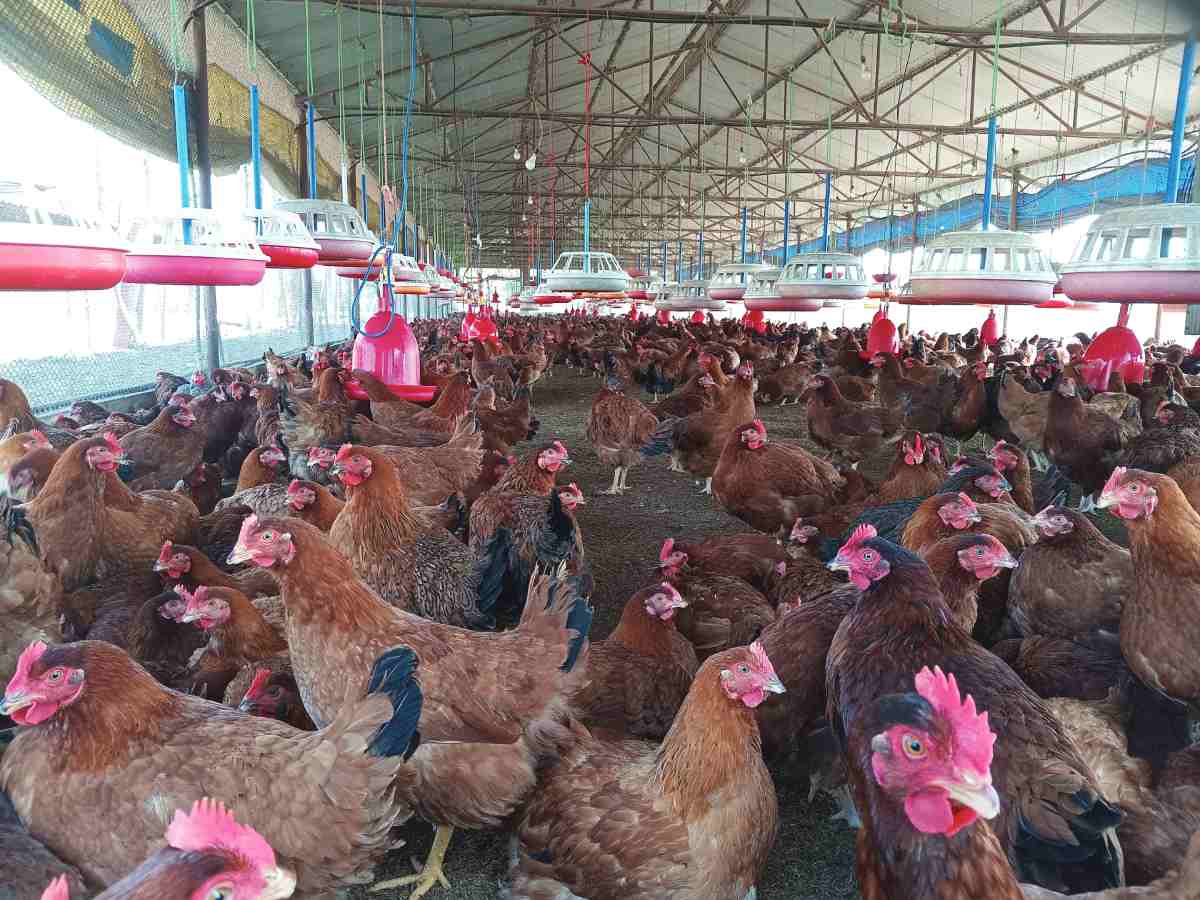
Interview with Mr. Sharan Panta, a pioneer of modern poultry farming in Nepal and founder of Uttam Poultry Farm. His enterprise leads the national market in Kuroiler chick production, renowned for their resilience and productivity. Through quality breeding, wide distribution, and community-focused initiatives, Panta has advanced rural livelihoods and food security. Uttam provides integrated poultry services including training, consultancy, and health management. His sustainable business model exemplifies how agribusiness can drive both economic growth and social impact in Nepal.
The poultry farming industry, which contributes approximately 8% to Nepal’s total agricultural economy, provides employment for around 1.5 million people nationwide. Initially, the sector was limited to backyard operations. However, over the past five decades, it has evolved into a rapidly growing commercial sector.
This business has strong potential not only to replace the import of poultry products but also to increase national income by competing in regional and global markets. Currently, there are 16,000 registered poultry farms and 9 chicken meat processing industries in Nepal.
Modern poultry farming in Nepal expanded significantly between 2000 and 2020, with key developments in 2014 and 2017 focusing on importing high-yield exotic breeds such as the Black Minorca, New Hampshire, Rhode Island Red, and White Leghorn. The establishment of a central hatchery in Parwanipur, Bara district, further boosted meat and egg production by distributing improved chicks to farmers, facilitating the transition toward modern poultry production.
Mr. Sharan Panta is one of the pioneers of modern poultry farming in the country. He entered the poultry business in 2000. Initially, he was involved in broiler and layer farming, but eventually shifted his focus to hatchery management, establishing Uttam Poultry Farm in 2009.
Uttam is now a leader in Nepal’s poultry industry, specializing in the countrywide supply of day-old Kuroiler (Giriraja) chicks. The farm is located in Bharatpur, in the Chitwan district of Nepal, and its chicks are known for their exceptional health, rapid growth, and resilience, making them ideal for both meat and egg production.
The Kuroiler breed
It is a branded dual-purpose bird developed through selective and controlled crossbreeding of high-yielding indigenized poultry germplasm. This bird was developed by KeggFarms of India and authorized by the Government of Nepal and the Food and Nutrition Security Enhancement Project (FANSEP).
Kuroiler chickens have been acclimatized to Indian tropical and subtropical conditions for several decades, thriving in harsh rural environments similar to non-descript local flocks. This low-input, hardy bird combines high productivity with the desirable traits of indigenous breeds.
The males are tall, majestic, and agile, reaching over 4 kg at full maturity. The females are large and active, weighing over 2.5 kg and producing more than 150 eggs, primarily by scavenging agricultural and natural waste.
This bird enables households to achieve nearly four times higher production of eggs and meat compared to non-descript poultry stock, while being maintained under similar conditions. It retains the color, agility, and disease resistance characteristics of traditional village chickens, with meat and egg quality that reflects their unique heritage.
With proven results, rural poultry farming is increasingly recognized as a viable meat production activity. As people prioritize short-term benefits, the Kuroiler breed has become the preferred choice for small-scale farmers. The genetic potential of these birds can be fully realized through proper nutrition, healthcare, and management. Careful preparation of the brooder house and strict adherence to management practices are essential for achieving optimal outcomes.
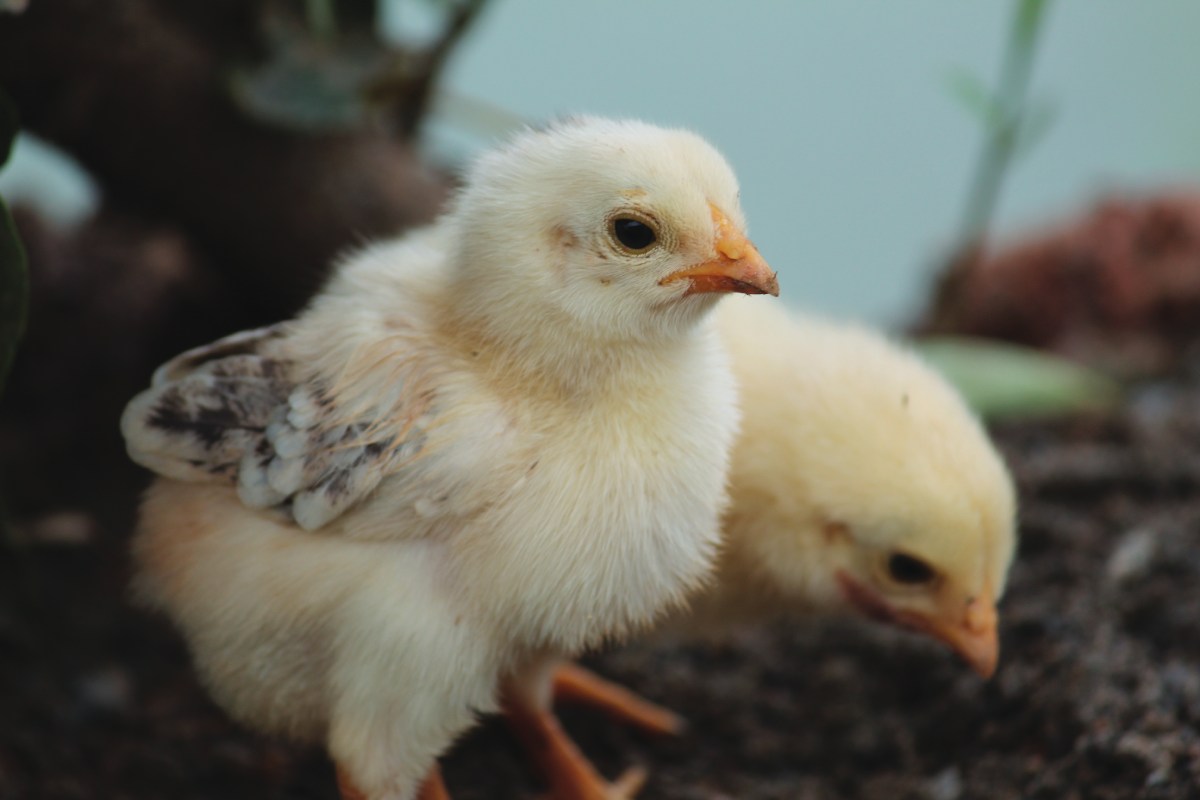
These chicks are renowned for their rapid growth rates. They reach maturity quickly, enabling farmers to benefit from their meat and eggs sooner. This efficient growth helps manage feed costs and optimize the overall profitability of the poultry operation. The chicks’ robust health ensures steady growth, allowing them to achieve the desired size and weight without unnecessary delays.
 Business prospects
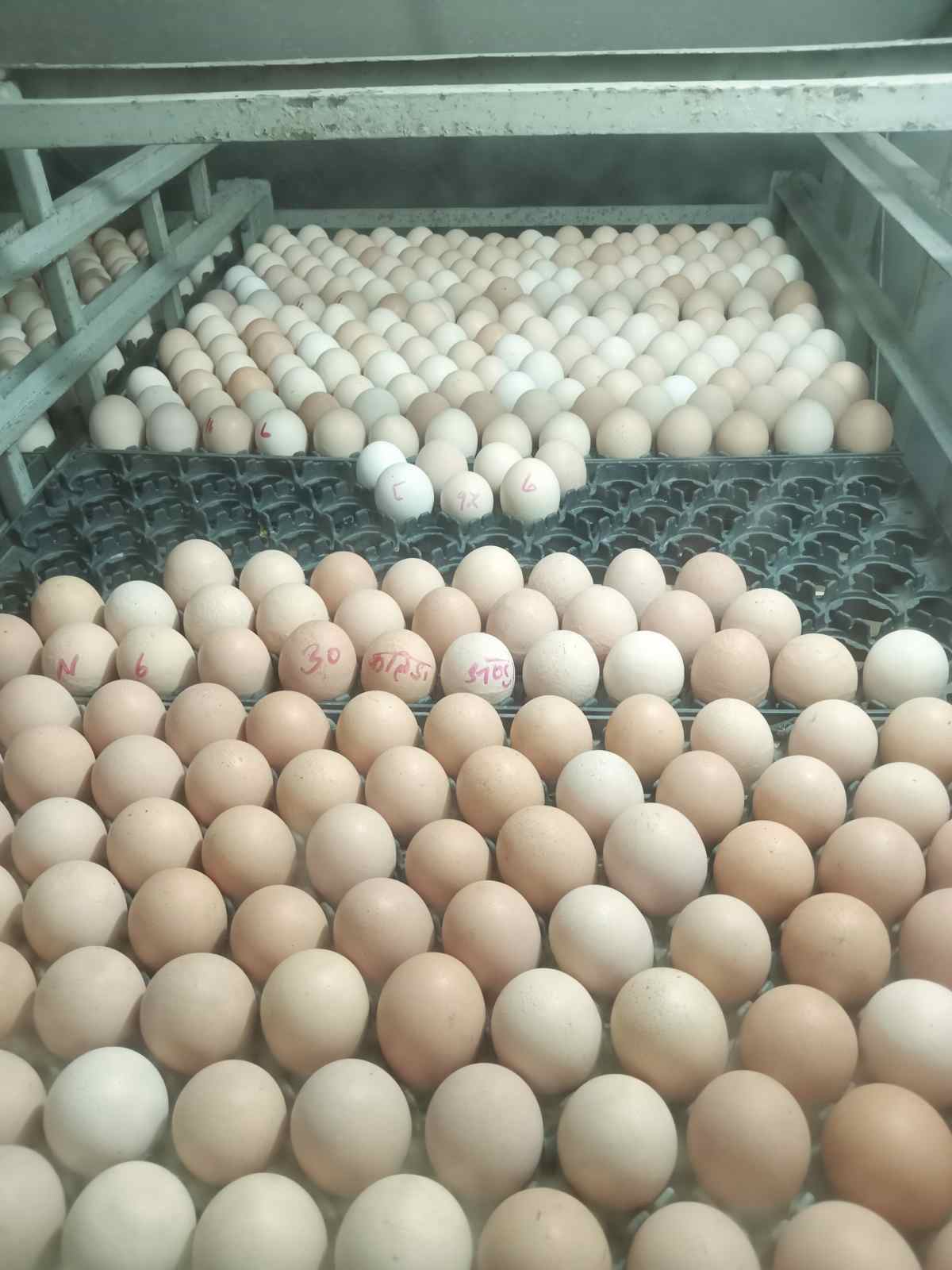
Uttam Poultry Farm has 12,000 chickens and produces between 960,000 and 1,100,000 chicks annually, supplying them to over 150 small farmers. Some of these farmers raise the chicks for 10 to 15 days before distributing them further to broader agricultural communities.
I interviewed Mr. Sharan Panta, who stated: “My business strategy focuses on three pillars: quality production, wide distribution, and community impact. Through Uttam, I supply Kuroiler chicks to both urban and rural markets. Additionally, I collaborate with marginalized families by providing small poultry units to enhance food security and generate income”.
His work has contributed to broader food security efforts through collaboration with development-focused projects. By distributing day-old chicks and promoting small-scale poultry rearing, he has helped underprivileged families improve household nutrition and build financial security. Furthermore, it has particularly empowered low-income households, with a focus on providing opportunities for women to achieve financial independence.
Beyond building a successful and tax-compliant poultry enterprise, his greatest achievement lies in transforming poultry farming into a practical tool for community development. Today, his model serves as an example of how agriculture, when guided by vision and commitment, can uplift rural communities and create a lasting social impact.
His experience and dedication to the industry fuel his passion for sustainable, high-quality poultry production. He emphasized that his long-term strategy focuses on sustainable growth by strengthening farmer support, enhancing biosecurity standards, and expanding partnerships with government and development organizations.
Integrated services
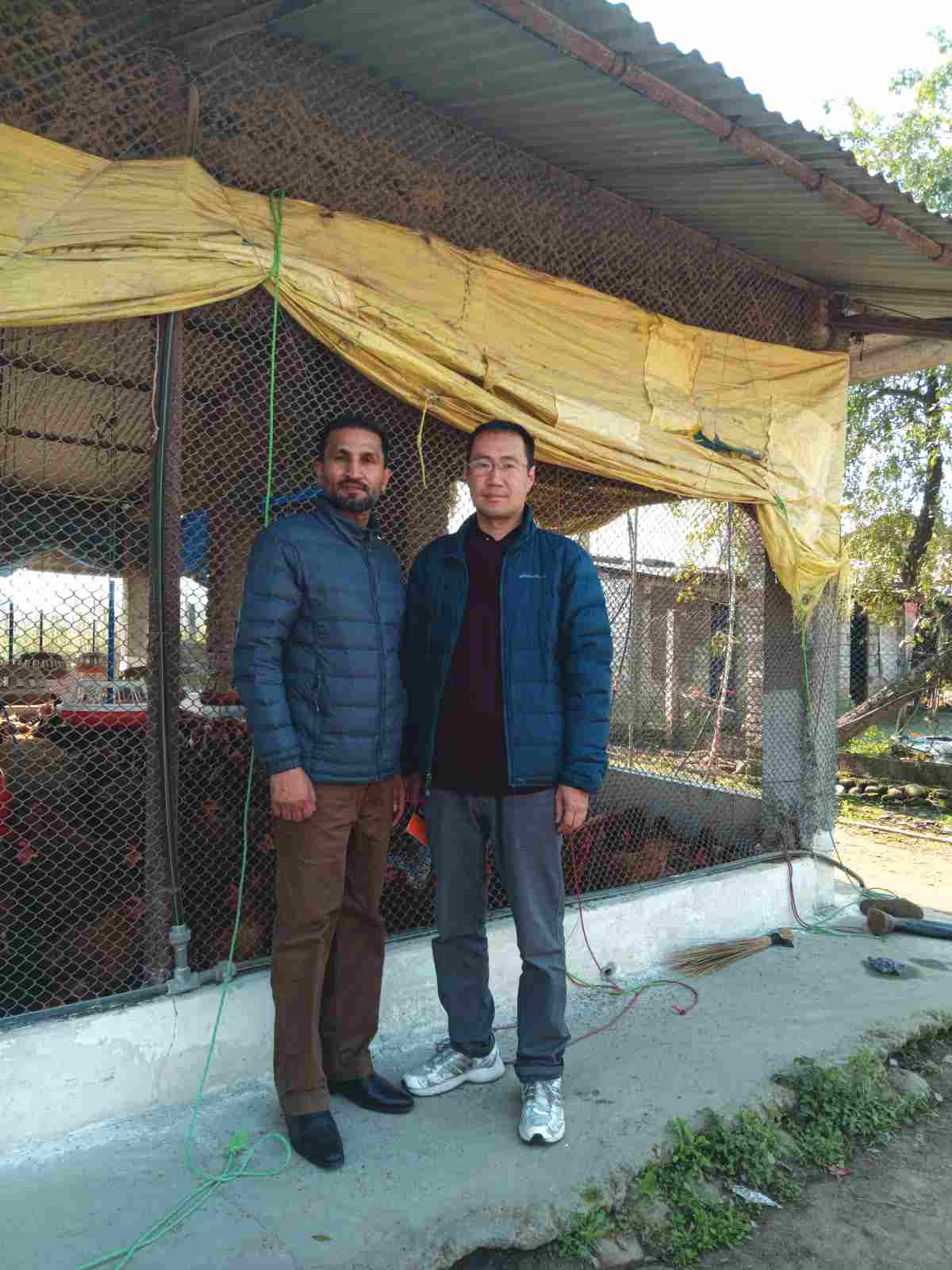
Currently, Uttam Poultry Farm offers seven types of poultry-related services: wholesale supply of poultry products, hatchery services, poultry farm consultancy, customized feeding solutions, training and workshops for farmers, disease management and biosecurity services, and poultry health monitoring.
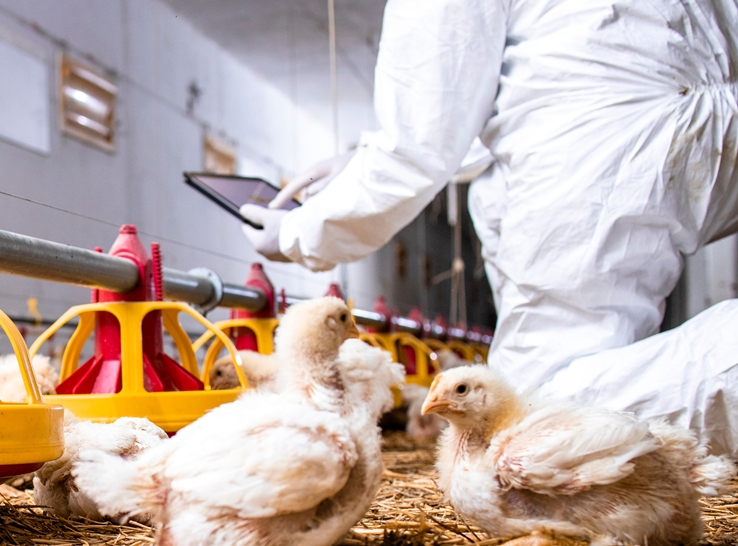
The farm adheres to strict quality-control measures to ensure each batch meets the highest industry standards, guaranteeing reliable and healthy stock for its clients. The company provides guidance on infrastructure, brooding, housing, and feed management, helping farms establish a strong foundation for success.
In addition to setup optimization, Uttam focuses on providing solutions for day-to-day farm management practices. Its consultancy services encompass every aspect necessary to ensure the well-being and productivity of clients’ flocks, including nutrition plans, health management, and disease prevention.
They provide customized feeding solutions designed to meet the specific nutritional needs of clients, ensuring optimal growth and productivity. Uttam also helps identify and address potential challenges that could affect farm performance, offering strategies to improve production efficiency and profitability.
Moreover, Uttam offers specialized training sessions and workshops for farmers to enhance their knowledge and skills in poultry farming. These programs are designed to empower farmers with the latest techniques in poultry management, covering areas such as nutrition, disease prevention, biosecurity, and sustainable farming practices.
Uttam’s client, Yaadhav Jamarkatel from Nuwakot District, highlighted: “Uttam Poultry Farm has been a game changer for my poultry business. The day-old Kuroiler chicks I received were of exceptional quality, and the support from the team has been outstanding. Their guidance on brooding, feeding, and health management has helped me improve my farm’s productivity and profitability. I highly recommend Uttam Poultry Farm to anyone looking to start or enhance their poultry venture”.
Mr. Sharan Panta advised that the quality and quantity of feed for each Kuroiler chick should vary according to the season and the chick’s body weight. Use 5 kg of finely ground maize for the first 4-5 hours, then switch to chick starter feed. Feed the chicks four to five times a day, mixing any leftover feed in the feeder with fresh feed each time.
For parent stock, the farm feeds them once a day, providing 110 grams of feed. The farm uses natural methods, such as covering the ground with rice husks, to keep the chickens warm during the cold season. At Uttam Poultry Farm, the male-to-female ratio is 1:10 (rooster to hen).
“Running a hatchery is like gambling with cards: one wrong move can cost your house. There used to be 300 hatchery businesses in Nepal; now, only 100 are still operating. Rising feed and veterinary medicine prices, along with high labor costs, are currently challenging our business” Mr. Sharan Panta explained.
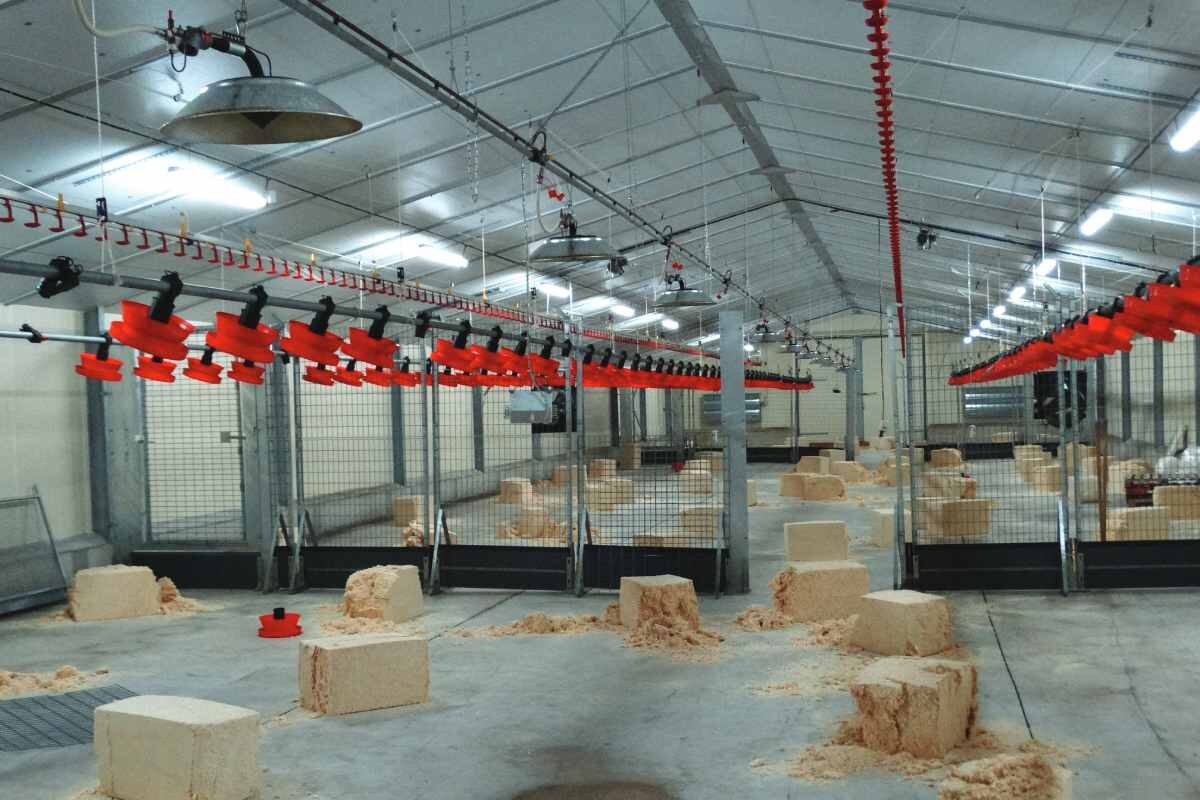
However, he remains optimistic about the market outlook and plans to expand his farm to accommodate 10,000 more chickens, featuring facilities equipped with automatic chicken drip cups. Since the establishment of Uttam, the company has primarily conducted business in central Nepal, which is the most densely populated region. Over the past eight years, its operations have expanded into breeder farming and marketing in eastern Nepal. Mr. Sharan Panta is setting industry standards of excellence nationwide.
Apa Reaksi Anda?
 Suka
0
Suka
0
 Kurang Suka
0
Kurang Suka
0
 Setuju
0
Setuju
0
 Tidak Setuju
0
Tidak Setuju
0
 Bagus
0
Bagus
0
 Berguna
0
Berguna
0
 Hebat
0
Hebat
0