


























Ten Years In: What the PMI Program Taught Us About Building Poultry Systems That Last

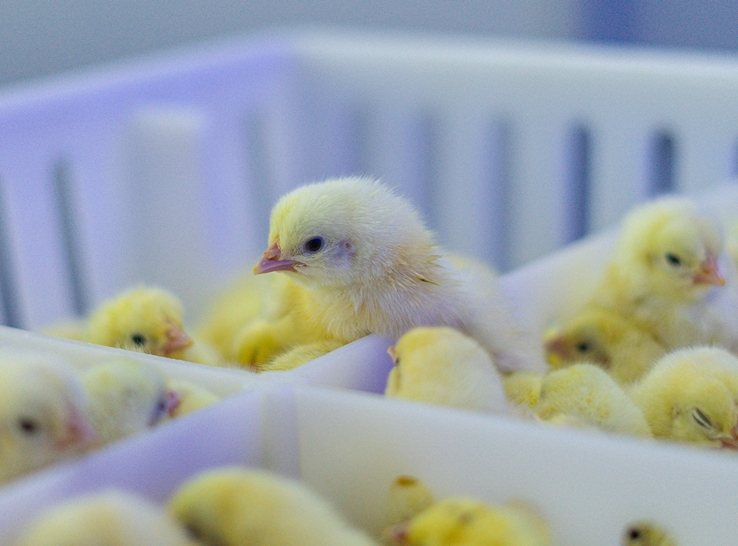
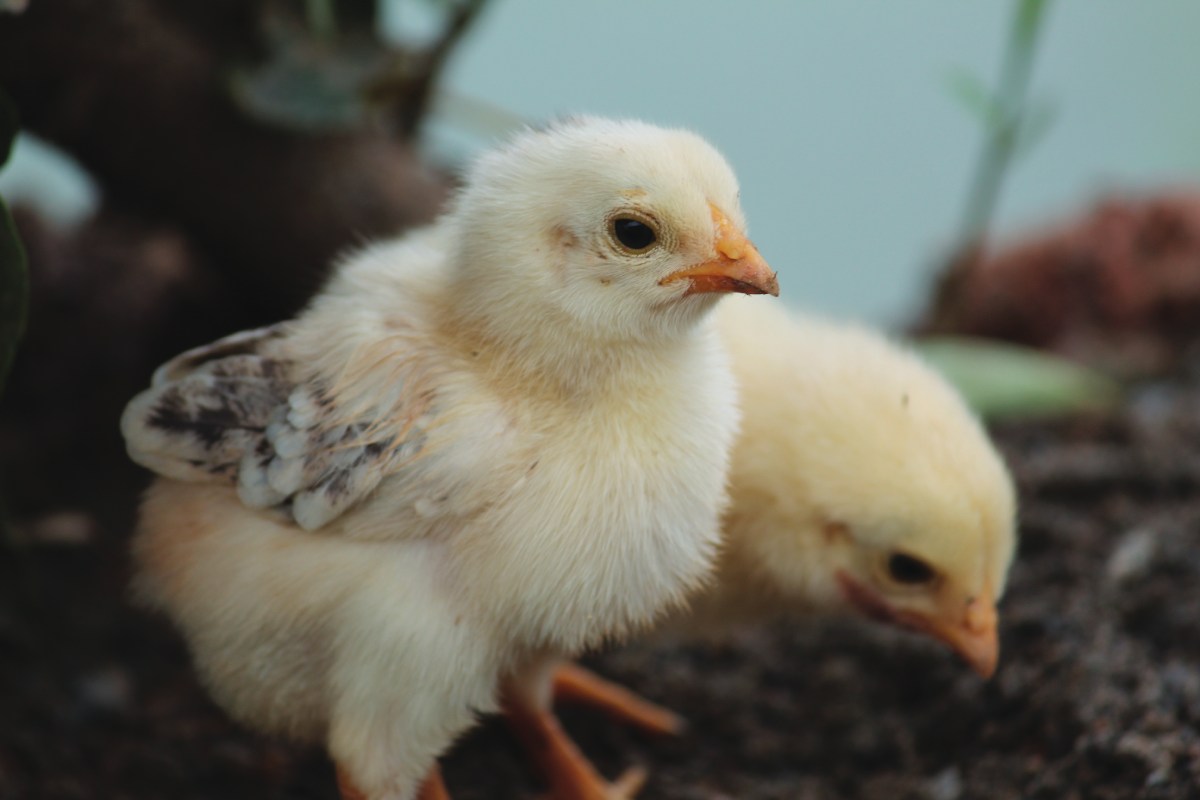
The Poultry Multiplication Initiative (PMI) is World Poultry Foundation’s (WPF) flagship program model, a private-sector-led approach that builds self-sustaining poultry value chains in rural communities. At its core, the model works through a simple chain: hatcheries produce day-old chicks, Brooder Units raise them for four to six weeks, and small-scale producers purchase those teen birds to grow for eggs and meat. Each link in the chain is a real business generating real income and that commercial logic is what makes the model durable long after WPF’s direct involvement ends.
Central to the PMI model is the dual-purpose poultry (DPP) bird, a breed positioned between commercial breeds and local indigenous chickens. DPP birds grow faster than village chickens, produce more eggs, and thrive in low-input rural environments. Introducing this breed into new markets, and building the value chains to support it, is the work of the PMI program. It sounds straightforward. In practice, it rarely is.
Nearly a decade into the PMI, the WPF team has learned more from the unexpected than from anything that went according to plan. We asked team members across programs, finance, data, and field operations to share the challenges they didn’t see coming and what those challenges ultimately changed about how we work. This is part one in a three-part series on unanticipated challenges and opportunities in the PMI program over the last ten years. In this installment, we look at the strategic and structural lessons that shaped how the model was built.
By: Randall Ennis, Jan de Jonge, and Clarence Mutangara
Building the Model: The strategic and structural lessons of how the PMI model was designed, tested, and refined.
 The Poultry Multiplication Initiative (PMI) didn’t arrive fully formed. WPF built on a body of work others had already started in dual-purpose poultry development, but took on a specific challenge from the Gates Foundation: to test how fast the model could grow and under what conditions it could succeed across different contexts. That meant a decade of testing, adapting, and being honest about what wasn’t working. Before the systems, the data, and the field teams came the harder work of figuring out what the model actually needed to be, and that required getting some things wrong first.
Start small. Go deep. Then expand.
When the PMI program launched in Tanzania and Nigeria, the instinct was to move fast and cover lots of ground. WPF CEO Randall Ennis recalls the thinking clearly.
“Our objective was to penetrate as many markets as possible in order to rapidly recruit Brooder Units (BUs) and accelerate community market development,” he says. “What we underestimated in these initial programs was the significant logistical complexity created by operating across such large geographic territories.”
With only one hatchery and one feed mill per country, delivering chicks and feed over vast distances quickly became costly and inefficient. Field Service Representatives (FSRs) operated with limited oversight. FSRs felt isolated, with little consistent support from management. BU selection and training became inconsistent.
The lesson reshaped the entire model. “Sustainable growth requires operational discipline and controlled expansion,” Randall says. “It is far more effective to begin implementation within one or two strategically selected geographic regions, closer to the source of chicks and feed, and let systems mature before expanding outward.”
Today, geographic focus isn’t a compromise. It’s the strategy.
The product works. But first, people have to believe in it.
For WPF Vice President of Operations, Jan de Jonge, one of the most persistent surprises hasn’t been technical, it’s been human.
“I didn’t expect it to be so hard to get the idea of teen-birds implemented,” he says. “Farmers are used to buying day-old chicks or buying fully grown birds, not something in between.”
The Poultry Multiplication Initiative (PMI) didn’t arrive fully formed. WPF built on a body of work others had already started in dual-purpose poultry development, but took on a specific challenge from the Gates Foundation: to test how fast the model could grow and under what conditions it could succeed across different contexts. That meant a decade of testing, adapting, and being honest about what wasn’t working. Before the systems, the data, and the field teams came the harder work of figuring out what the model actually needed to be, and that required getting some things wrong first.
Start small. Go deep. Then expand.
When the PMI program launched in Tanzania and Nigeria, the instinct was to move fast and cover lots of ground. WPF CEO Randall Ennis recalls the thinking clearly.
“Our objective was to penetrate as many markets as possible in order to rapidly recruit Brooder Units (BUs) and accelerate community market development,” he says. “What we underestimated in these initial programs was the significant logistical complexity created by operating across such large geographic territories.”
With only one hatchery and one feed mill per country, delivering chicks and feed over vast distances quickly became costly and inefficient. Field Service Representatives (FSRs) operated with limited oversight. FSRs felt isolated, with little consistent support from management. BU selection and training became inconsistent.
The lesson reshaped the entire model. “Sustainable growth requires operational discipline and controlled expansion,” Randall says. “It is far more effective to begin implementation within one or two strategically selected geographic regions, closer to the source of chicks and feed, and let systems mature before expanding outward.”
Today, geographic focus isn’t a compromise. It’s the strategy.
The product works. But first, people have to believe in it.
For WPF Vice President of Operations, Jan de Jonge, one of the most persistent surprises hasn’t been technical, it’s been human.
“I didn’t expect it to be so hard to get the idea of teen-birds implemented,” he says. “Farmers are used to buying day-old chicks or buying fully grown birds, not something in between.”
 The logic of the Brooder Unit (BU) model is sound: lower capital requirement, shorter grow-out period, faster cycles. But small-scale producers are cautious and, as Jan notes, rightfully so. “They are working with thin margins and cannot afford to absorb a failed experiment.”
The result was a slower ramp-up than projected, which in turn created cash flow pressure for BUs unable to hold birds past the four-week window. The instinct, to push harder on marketing or drop prices, wasn’t the answer. “Lower prices erode the business case,” Jan says. “Aggressive marketing without real farmer buy-in also does not convert.”
What it really pushed the team to do was get more honest about timelines. “Building a reliable client base in a market that does not yet understand the product is a different kind of challenge,” he says. “It takes longer than most projections allow for. We have had to get more comfortable with extended ramp-up periods and with supporting partners through that phase rather than measuring them too rigidly against early milestones.” That same comfort with longer timelines has also meant encouraging farmers to start smaller, scaling at a pace that lowers risk for partners and SSPs alike while they test the model for themselves.
You can’t build a value chain from the middle.
The logic of the Brooder Unit (BU) model is sound: lower capital requirement, shorter grow-out period, faster cycles. But small-scale producers are cautious and, as Jan notes, rightfully so. “They are working with thin margins and cannot afford to absorb a failed experiment.”
The result was a slower ramp-up than projected, which in turn created cash flow pressure for BUs unable to hold birds past the four-week window. The instinct, to push harder on marketing or drop prices, wasn’t the answer. “Lower prices erode the business case,” Jan says. “Aggressive marketing without real farmer buy-in also does not convert.”
What it really pushed the team to do was get more honest about timelines. “Building a reliable client base in a market that does not yet understand the product is a different kind of challenge,” he says. “It takes longer than most projections allow for. We have had to get more comfortable with extended ramp-up periods and with supporting partners through that phase rather than measuring them too rigidly against early milestones.” That same comfort with longer timelines has also meant encouraging farmers to start smaller, scaling at a pace that lowers risk for partners and SSPs alike while they test the model for themselves.
You can’t build a value chain from the middle.
 WPF’s Clarence Mutangara, who joined the team in 2026 as Business Manager, came into the work expecting dual-purpose poultry to have gained more commercial traction than it had.
“I expected that before entering a PMI country there would have been some traction in general markets about this alternative to standard commercial broilers and layers,” he says. “What I found instead was a cultural mindset shift that still needs to happen and that requires more effort and investment than one may realize.”
DPP birds are not yet a known quantity in most of the markets WPF works in, by design. There are no established commercial processors, no recognizable brands, and little downstream infrastructure to signal to farmers that this is a product worth investing in. PMI partners aren’t just building a supply chain, they’re introducing a new category of bird entirely, and building the perception of that product from scratch: establishing brands, running awareness campaigns, training farmers, and demonstrating a business model most people have never seen before.
One pattern Clarence didn’t anticipate was resistance to the BU model even when the numbers clearly showed its advantages. Many farmers, he found, preferred the logic of a single large transaction over the compounding returns of running six or more cycles a year. For SSPs, purchasing a teen bird rather than raising a chick from day one is its own behavior change. Understanding that has changed how he thinks about the way partners present the business case. “It is not enough to show that the numbers work. You have to speak to the emotional and practical preference for visible cash in hand.”
Building a market for something new means starting well before the market is ready for it.
Ten years of learning.
The PMI model today looks different from the one that launched nearly a decade ago. More focused geographically, more honest about timelines, and more grounded in the realities of the markets it serves. What Randall, Jan, and Clarence are describing is really the same challenge from three different angles: a model that is commercially sound but has to earn its place in markets that have never seen it before. The best programs aren’t the ones that avoid surprises. They’re the ones that learned from them.
WPF’s Clarence Mutangara, who joined the team in 2026 as Business Manager, came into the work expecting dual-purpose poultry to have gained more commercial traction than it had.
“I expected that before entering a PMI country there would have been some traction in general markets about this alternative to standard commercial broilers and layers,” he says. “What I found instead was a cultural mindset shift that still needs to happen and that requires more effort and investment than one may realize.”
DPP birds are not yet a known quantity in most of the markets WPF works in, by design. There are no established commercial processors, no recognizable brands, and little downstream infrastructure to signal to farmers that this is a product worth investing in. PMI partners aren’t just building a supply chain, they’re introducing a new category of bird entirely, and building the perception of that product from scratch: establishing brands, running awareness campaigns, training farmers, and demonstrating a business model most people have never seen before.
One pattern Clarence didn’t anticipate was resistance to the BU model even when the numbers clearly showed its advantages. Many farmers, he found, preferred the logic of a single large transaction over the compounding returns of running six or more cycles a year. For SSPs, purchasing a teen bird rather than raising a chick from day one is its own behavior change. Understanding that has changed how he thinks about the way partners present the business case. “It is not enough to show that the numbers work. You have to speak to the emotional and practical preference for visible cash in hand.”
Building a market for something new means starting well before the market is ready for it.
Ten years of learning.
The PMI model today looks different from the one that launched nearly a decade ago. More focused geographically, more honest about timelines, and more grounded in the realities of the markets it serves. What Randall, Jan, and Clarence are describing is really the same challenge from three different angles: a model that is commercially sound but has to earn its place in markets that have never seen it before. The best programs aren’t the ones that avoid surprises. They’re the ones that learned from them.
The Poultry Multiplication Initiative (PMI) didn’t arrive fully formed. WPF built on a body of work others had already started in dual-purpose poultry development, but took on a specific challenge from the Gates Foundation: to test how fast the model could grow and under what conditions it could succeed across different contexts. That meant a decade of testing, adapting, and being honest about what wasn’t working. Before the systems, the data, and the field teams came the harder work of figuring out what the model actually needed to be, and that required getting some things wrong first.
Start small. Go deep. Then expand.
When the PMI program launched in Tanzania and Nigeria, the instinct was to move fast and cover lots of ground. WPF CEO Randall Ennis recalls the thinking clearly.
“Our objective was to penetrate as many markets as possible in order to rapidly recruit Brooder Units (BUs) and accelerate community market development,” he says. “What we underestimated in these initial programs was the significant logistical complexity created by operating across such large geographic territories.”
With only one hatchery and one feed mill per country, delivering chicks and feed over vast distances quickly became costly and inefficient. Field Service Representatives (FSRs) operated with limited oversight. FSRs felt isolated, with little consistent support from management. BU selection and training became inconsistent.
The lesson reshaped the entire model. “Sustainable growth requires operational discipline and controlled expansion,” Randall says. “It is far more effective to begin implementation within one or two strategically selected geographic regions, closer to the source of chicks and feed, and let systems mature before expanding outward.”
Today, geographic focus isn’t a compromise. It’s the strategy.
The product works. But first, people have to believe in it.
For WPF Vice President of Operations, Jan de Jonge, one of the most persistent surprises hasn’t been technical, it’s been human.
“I didn’t expect it to be so hard to get the idea of teen-birds implemented,” he says. “Farmers are used to buying day-old chicks or buying fully grown birds, not something in between.”
The logic of the Brooder Unit (BU) model is sound: lower capital requirement, shorter grow-out period, faster cycles. But small-scale producers are cautious and, as Jan notes, rightfully so. “They are working with thin margins and cannot afford to absorb a failed experiment.”
The result was a slower ramp-up than projected, which in turn created cash flow pressure for BUs unable to hold birds past the four-week window. The instinct, to push harder on marketing or drop prices, wasn’t the answer. “Lower prices erode the business case,” Jan says. “Aggressive marketing without real farmer buy-in also does not convert.”
What it really pushed the team to do was get more honest about timelines. “Building a reliable client base in a market that does not yet understand the product is a different kind of challenge,” he says. “It takes longer than most projections allow for. We have had to get more comfortable with extended ramp-up periods and with supporting partners through that phase rather than measuring them too rigidly against early milestones.” That same comfort with longer timelines has also meant encouraging farmers to start smaller, scaling at a pace that lowers risk for partners and SSPs alike while they test the model for themselves.
You can’t build a value chain from the middle.
WPF’s Clarence Mutangara, who joined the team in 2026 as Business Manager, came into the work expecting dual-purpose poultry to have gained more commercial traction than it had.
“I expected that before entering a PMI country there would have been some traction in general markets about this alternative to standard commercial broilers and layers,” he says. “What I found instead was a cultural mindset shift that still needs to happen and that requires more effort and investment than one may realize.”
DPP birds are not yet a known quantity in most of the markets WPF works in, by design. There are no established commercial processors, no recognizable brands, and little downstream infrastructure to signal to farmers that this is a product worth investing in. PMI partners aren’t just building a supply chain, they’re introducing a new category of bird entirely, and building the perception of that product from scratch: establishing brands, running awareness campaigns, training farmers, and demonstrating a business model most people have never seen before.
One pattern Clarence didn’t anticipate was resistance to the BU model even when the numbers clearly showed its advantages. Many farmers, he found, preferred the logic of a single large transaction over the compounding returns of running six or more cycles a year. For SSPs, purchasing a teen bird rather than raising a chick from day one is its own behavior change. Understanding that has changed how he thinks about the way partners present the business case. “It is not enough to show that the numbers work. You have to speak to the emotional and practical preference for visible cash in hand.”
Building a market for something new means starting well before the market is ready for it.
Ten years of learning.
The PMI model today looks different from the one that launched nearly a decade ago. More focused geographically, more honest about timelines, and more grounded in the realities of the markets it serves. What Randall, Jan, and Clarence are describing is really the same challenge from three different angles: a model that is commercially sound but has to earn its place in markets that have never seen it before. The best programs aren’t the ones that avoid surprises. They’re the ones that learned from them.The post Ten Years In: What the PMI Program Taught Us About Building Poultry Systems That Last appeared first on World Poultry Foundation.
Apa Reaksi Anda?
 Suka
0
Suka
0
 Kurang Suka
0
Kurang Suka
0
 Setuju
0
Setuju
0
 Tidak Setuju
0
Tidak Setuju
0
 Bagus
0
Bagus
0
 Berguna
0
Berguna
0
 Hebat
0
Hebat
0

Edusehat
Platform Edukasi Online Untuk Komunitas Kesehatan Agar Mendapatkan Informasi Dan Pengetahuan Terbaru Tentang Kesehatan Dari Nasional Maupun Internasional. ||
An online education platform for the health community to obtain the latest information and knowledge about health from both national and international sources.