


























Ways of Designing Aquaculture Farm Systems and Mistakes to Avoid
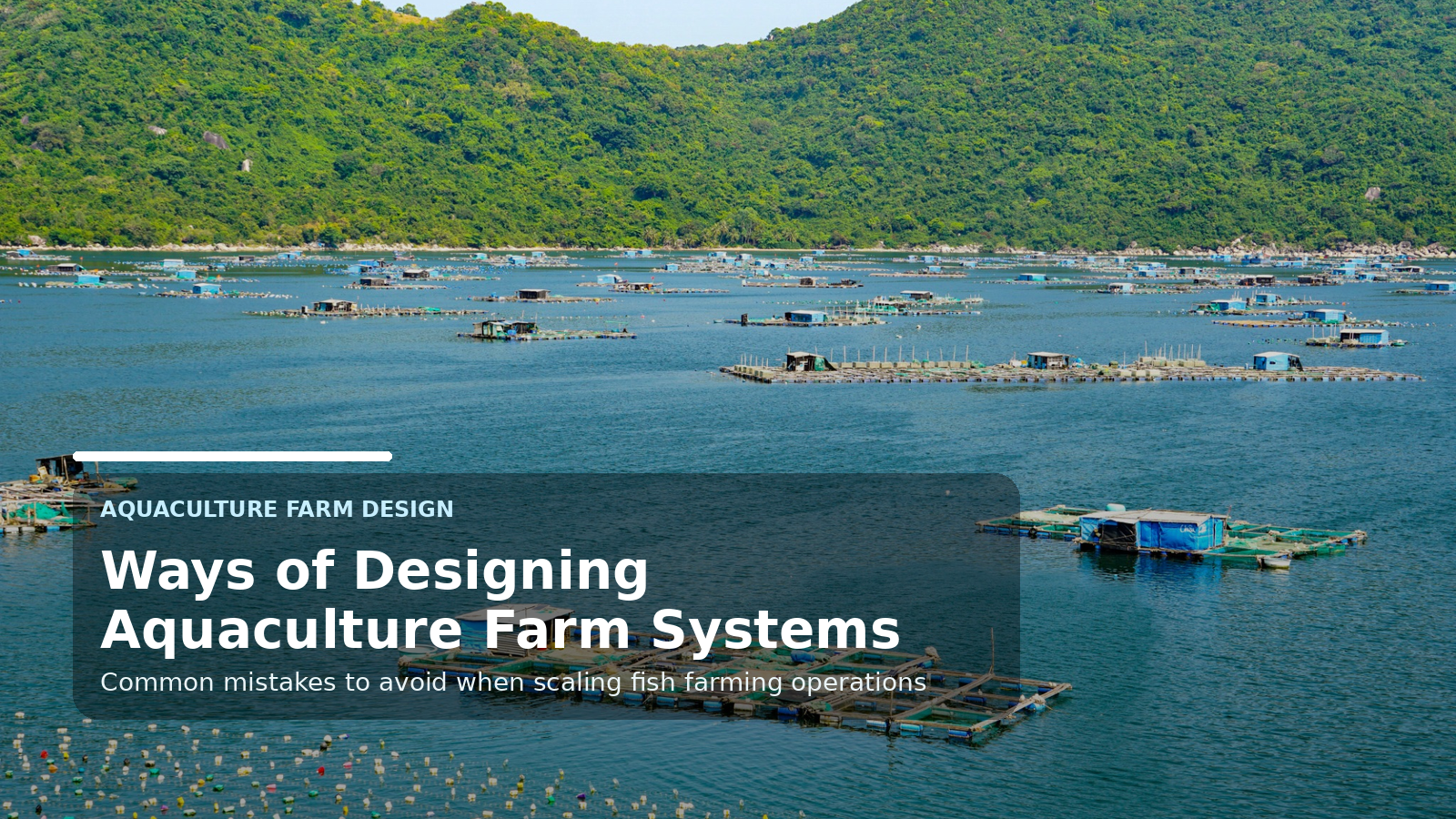
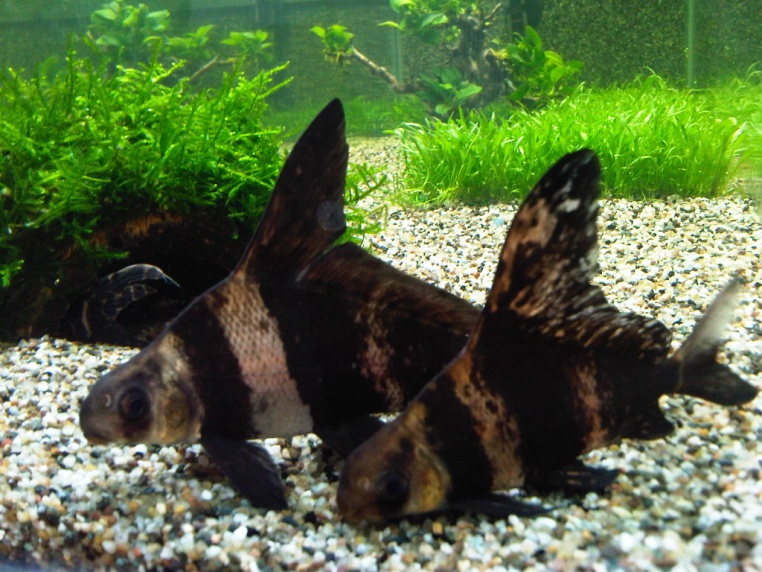
Aquaculture is the practice of raising fish , shellfish, aquatic plants, and other seafood products in ponds, cages, tanks, and controlled water systems. It has become an important part of global food production, helping supply seafood to restaurants, grocery stores, and consumers around the world. According to the Food and Agriculture Organization of the United Nations, aquaculture continues to play a growing role in global food security.
Many aquaculture farms begin at a small scale and then expand once the system appears to be working well. However, a system that performs successfully during a pilot phase may not always work the same way when production increases. Small design problems that are easy to manage at low volume can become serious failures at a larger scale.
To build a successful and sustainable aquaculture farm, it is important to design the system with future growth in mind. Below are some common mistakes to avoid.
Overestimating System Stability in Aquaculture
One of the biggest mistakes in aquaculture design is assuming that a small system will remain stable when it is expanded. At larger volumes, small changes in water quality, oxygen levels, feed distribution, and waste buildup can become much more difficult to control.
A system that looks balanced at a small scale may become unpredictable under higher production pressure. Scaling up exposes weaknesses that may not have been visible before.
Ignoring Water Flow Design
Water movement plays a major role in oxygen distribution, waste removal, and disease prevention. Poor water flow can create dead zones where waste collects and oxygen levels drop.
At a small scale, these areas may not cause major problems. But as the system grows, poor water circulation can reduce fish growth, increase stress, and raise the risk of disease outbreaks. Good water management is one of the foundations of responsible aquaculture. NOAA provides helpful information on how aquaculture can be managed while protecting the environment through its article on marine aquaculture and the environment.
Underestimating Feeding Distribution Problems
Feeding systems that work well in small tanks or ponds may not perform effectively in larger or high-density systems. When feed is not distributed evenly, some fish may receive too much while others receive too little.
This can lead to aggressive feeding behavior, uneven growth, wasted feed, poor water quality, and higher operating costs over time. Feed efficiency is especially important because feed is often one of the largest operating costs in aquaculture. NOAA also offers useful information on feeds for aquaculture.
Weak Biosecurity Design in Aquaculture Farming
Biosecurity is essential for preventing disease and contamination. In small systems, biosecurity may rely on simple manual practices. However, as farms expand, there is more movement of people, equipment, water, and stock.
Without a strong biosecurity design, disease risks can grow faster than production. Farms should include clear entry points, equipment sanitation areas, quarantine zones, and controlled movement between system sections. Good biosecurity planning helps protect the health of the animals, the farm, and the surrounding environment.
Poor Oxygen Management Planning
Oxygen demand increases as fish biomass grows. Systems that rely only on passive oxygenation or limited aeration can become vulnerable during peak demand periods.
Even short drops in oxygen levels can cause stress, slow growth, or result in major losses. A good aquaculture design should include reliable aeration, backup oxygen systems, and emergency response planning.
Lack of Modular Thinking
Some aquaculture systems are designed as one large interconnected unit. This can create serious problems if one section fails. A disease outbreak, oxygen issue, or water quality problem in one area can quickly spread throughout the entire system.
Modular design helps reduce this risk. By separating the farm into smaller, manageable units, problems can be isolated before they affect the whole operation.
Inadequate Monitoring Infrastructure
Small systems can often be managed through visual observation. Larger systems require more advanced monitoring.
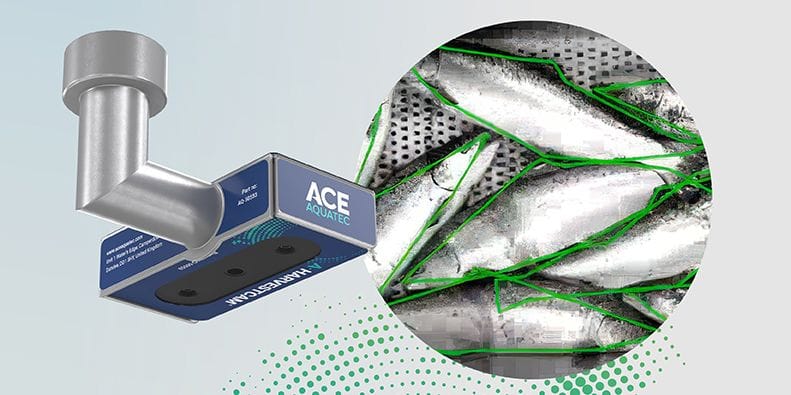
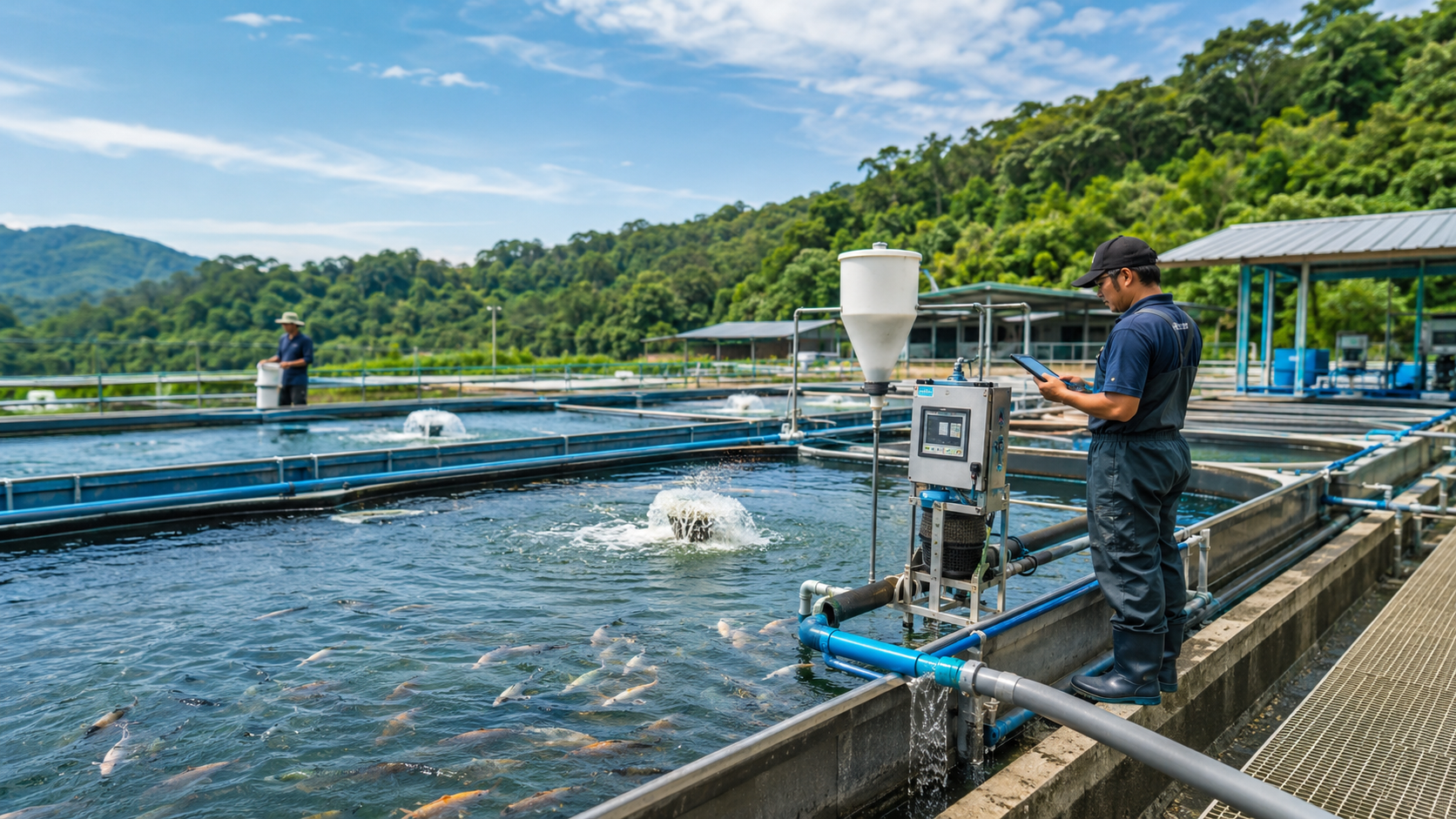
Sensors, data logging, and automated alerts can help track oxygen levels, temperature, pH, ammonia, water flow, and other important conditions. Without proper monitoring, problems may not be noticed until it is too late to prevent losses.
Smart monitoring systems are becoming more common in modern aquaculture because they help farmers make better decisions using real-time data.
Conclusion: Learn more about sustainable Aquaculture
Most aquaculture failures at scale are not caused by completely new problems. They are often caused by small design flaws that were hidden during the early stages of production.
Water flow, feeding, oxygen management, biosecurity, monitoring, and system structure all become more important as production increases. Successful aquaculture systems are not simply larger versions of small farms. They are carefully redesigned systems built with growth, resilience, and sustainability in mind from the beginning.
To learn more about fish farming, sustainable agriculture, and ecolonomic approaches to food production, visit the EAT Community.
Related Articles and Resources
- FAO Guidelines for Sustainable Aquaculture
A useful resource from the Food and Agriculture Organization of the United Nations on responsible and sustainable aquaculture development. - FAO Fisheries and Aquaculture
A broad resource covering global fisheries, aquaculture systems, aquatic food production, and sustainability. - NOAA: What Is Aquaculture?
A simple introduction to aquaculture and the different water environments where aquatic organisms are farmed. - NOAA: Feeds for Aquaculture
A helpful article explaining the role of feed in aquaculture and why feed efficiency matters. - NOAA: Marine Aquaculture and the Environment
An overview of how aquaculture can be managed while protecting water quality, food safety, and environmental health. - WorldFish: Aquatic Foods for Healthy People and Planet
WorldFish works internationally to improve sustainable aquaculture, aquatic food systems, nutrition, and community resilience. - The Fish Site: Aquaculture Articles
A practical industry resource with articles on fish farming, water quality, feeding, biosecurity, and aquaculture management. - EAT Community
Learn more about sustainable agriculture, fish farming, ecolonomics, and practical ways to make a little money making the planet better.

The post Ways of Designing Aquaculture Farm Systems and Mistakes to Avoid first appeared on WorldWide Aquaculture.
Apa Reaksi Anda?
 Suka
0
Suka
0
 Kurang Suka
0
Kurang Suka
0
 Setuju
0
Setuju
0
 Tidak Setuju
0
Tidak Setuju
0
 Bagus
0
Bagus
0
 Berguna
0
Berguna
0
 Hebat
0
Hebat
0