






































































Celebrating 250 Years of Independence: Finding Hope, Health, and Connection in Challenging Times


As Americans gather this Fourth of July, our nation marks an extraordinary milestone—250 years since the signing of the Declaration of Independence. The semiquincentennial offers an opportunity to celebrate the ideals of freedom, resilience, and community that have shaped our country’s history.
Yet for many families, this year’s celebrations may look different.
Traditional summer activities—traveling to visit relatives, hosting large backyard gatherings, or taking family vacations—have become increasingly difficult to afford. Rising costs of groceries, gasoline, housing, and medical care have placed tremendous strain on household budgets. For individuals living with diabetes, these financial pressures often extend beyond everyday expenses to include the ongoing costs of medications, supplies, appointments, and healthy food choices.
Recent surveys from the Kaiser Family Foundation found that health care costs remain one of Americans’ greatest affordability concerns, with nearly half of adults reporting difficulty paying for health care expenses.¹ For older adults enrolled in Medicare, nearly half anticipate that their health care costs will become even less affordable in the coming year.²
Financial stress doesn’t simply affect bank accounts—it affects our bodies.
When we experience ongoing stress, the body activates its “fight-or-flight” response, releasing hormones such as cortisol and adrenaline. While these hormones are designed to help us respond to short-term threats, prolonged activation can contribute to insulin resistance and make blood glucose management more difficult. Research has shown that psychological stress can significantly influence metabolic function and may worsen diabetes outcomes.³
The American Diabetes Association also recognizes the emotional burden of living with diabetes. The daily responsibilities of monitoring blood glucose, planning meals, taking medications, and managing complications can lead to what is often called diabetes distress or diabetes burnout.⁴
Adding financial concerns to an already demanding condition can create a cycle that is difficult to break.
The American Psychological Association has consistently identified money as one of the leading sources of stress among Americans.⁵ Worries about paying bills, affording medications, or providing for loved ones can contribute to anxiety, sleep disturbances, headaches, elevated blood pressure, and increased emotional exhaustion.
As we commemorate 250 years of democracy, perhaps this is also an opportunity to redefine what celebration means.
Celebration doesn’t have to involve expensive travel plans or elaborate gatherings. It can be found in the simple moments that remind us of our shared humanity:
- Watching fireworks with neighbors.
- Sharing a potluck meal with family.
- Calling an old friend.
- Taking a sunset walk.
- Reflecting on the freedoms and opportunities we often take for granted.
- Practicing gratitude for the people who support us through life’s challenges.
For individuals living with diabetes, protecting mental well-being is not separate from managing physical health—it is part of it.
Consider incorporating small acts of self-care into your holiday routine:
- Prioritize adequate sleep whenever possible.
- Build movement into your day, even if it’s a short walk after meals.
- Monitor blood glucose regularly during periods of increased stress.
- Reach out to your diabetes care team if feelings of burnout become overwhelming.
- Seek support from friends, family members, counselors, or peer support groups.
- Allow yourself grace. Perfection has never been the goal; progress is.
America’s story has never been one of ease. It has been a story of perseverance, adaptation, and hope.
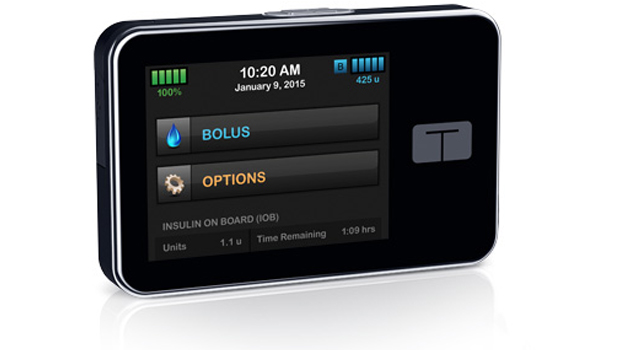
Two hundred and fifty years ago, our nation’s founders could not have imagined insulin pumps, continuous glucose monitors, telehealth appointments, or the scientific advances that have transformed diabetes care. Yet they understood something timeless: communities are strongest when people support one another through difficult seasons.
As we celebrate this historic anniversary, may we remember that independence is not merely the absence of hardship. It is the freedom to care for ourselves and each other with dignity, compassion, and resilience.
Whether your Fourth of July includes a cross-country trip, a neighborhood barbecue, or a quiet evening at home, know that your health matters. Your mental well-being matters. And even in uncertain times, there are still reasons to gather, to connect, and to hope for a healthier future—for ourselves, our families, and the generations yet to come.
Source:
Sharma K, et al. Stress-Induced Diabete.
What's Your Reaction?
 Like
0
Like
0
 Dislike
0
Dislike
0
 Agree
0
Agree
0
 Disagree
0
Disagree
0
 Excellent
0
Excellent
0
 Useful
0
Useful
0
 Great
0
Great
0