

































































Insoluble vs. Soluble Fiber: What's the Difference and Why Do You Need Both?


Key Takeaways
- Soluble fiber supports heart health, healthy blood sugar, and the gut microbiome.
- Insoluble fiber promotes regular digestion by adding bulk to stool.
- Eating a variety of plant foods naturally provides both types of fiber.
If you've ever dealt with bloating, irregular digestion, or afternoon energy crashes, your fiber intake could be part of the puzzle. Despite its well-known health benefits, fiber continues to be one of the most overlooked nutrients in the modern diet, and most Americans consume far less than experts recommend. Understanding the two main types of fiber—soluble and insoluble—can help you make smarter food choices that support digestion, heart health, blood sugar balance, and overall wellness. The result is long-lasting energy and a thriving gut microbiome.
What is Dietary Fiber?
Fiber is a type of complex carbohydrate that your body cannot fully digest because humans lack the enzymes needed to break it down. As a result, it travels largely intact through the digestive tract, where it supports digestive and metabolic health in several ways. Some fiber is fermented by beneficial bacteria in the large intestine, producing gases and other compounds that nourish the gut, while the rest passes through the body, adding bulk to the stool and promoting regular bowel movements. Considering the average American consumes only about 15 grams of fiber per day—which is well below the recommended intake—many people may be missing out on these important health benefits. It’s important to note that not all fiber behaves the same way. Dietary fiber is generally divided into two main categories—soluble and insoluble—and each plays a unique and important role in supporting your health.
What is Soluble Fiber?
Think of soluble fiber as a sponge—it soaks up water and forms a gel-like substance that slows digestion and helps support healthy blood sugar and cholesterol levels. As this gel moves through your digestive tract, it binds to bile acids (which are made from cholesterol) and helps carry them out of the body. To replace those bile acids, your liver pulls cholesterol from the bloodstream, which is one reason soluble fiber is linked to healthier cholesterol levels. It also slows the release of glucose into the bloodstream after meals, which helps reduce sharp blood sugar spikes and supports more steady energy throughout the day.
Beyond these metabolic benefits, soluble fiber plays a key role in how satisfied you feel after eating. Because it slows digestion, it helps promote fullness and satiety, which can support healthy weight goals without feeling restrictive. One of its most important roles, however, happens in the gut. Many types of soluble fiber act as prebiotics, meaning they feed the beneficial bacteria in your digestive system. When these bacteria ferment fiber, they produce compounds that help support a healthier gut environment and overall digestive balance.
Feed Your Gut with Foods High in Soluble Fiber:
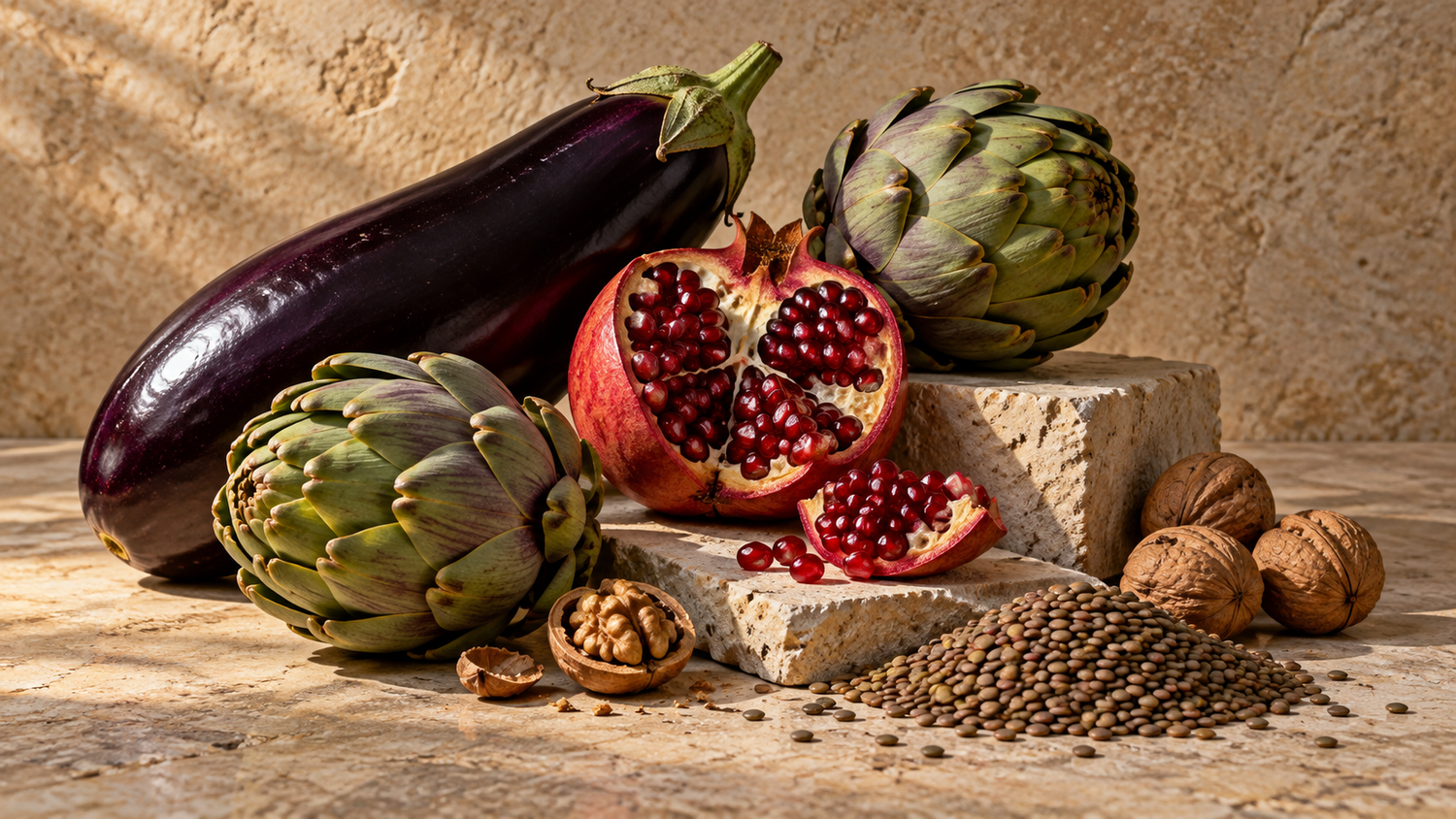
- Oats
- Barley
- Apples
- Citrus fruits
- Beans & lentils
- Chia seeds
- Psyllium husk
- Flaxseed
To fully understand how fiber supports digestion, it’s important to look at its other major type: insoluble fiber.
What is Insoluble Fiber?
If soluble fiber is the sponge, insoluble fiber is the broom—sweeping food through your digestive tract and helping keep things moving. Unlike soluble fiber, it doesn’t dissolve in water—instead, it adds bulk to stool, which is key for promoting regular bowel movements. That added bulk helps stretch the walls of the intestines, signaling your digestive system to keep things moving at a healthy pace and reducing the likelihood of constipation.
Insoluble fiber also helps improve stool consistency by making waste easier to pass, especially when paired with adequate hydration. Water plays a crucial role here, since fiber absorbs fluid in the gut. Without enough hydration, stool can become harder and more difficult to eliminate. When everything is working together, insoluble fiber supports smoother digestion, helps maintain a healthy colon environment, and contributes to overall digestive regularity. Adequate fiber and hydration also promote efficient waste elimination and support overall wellness.
Here’s Where Fiber Shows Up in Real Food:
- Whole wheat
- Wheat bran
- Brown rice
- Nuts & seeds
- Green beans
- Cauliflower
- Broccoli
- Leafy greens
- Fruit & vegetable skins
While soluble and insoluble fiber have different functions, both contribute to overall health. Here's a closer look at how they compare side by side.
Soluble vs. Insoluble Fiber: How They Compare
|
Soluble Fiber |
Insoluble Fiber |
|
• Dissolves in water |
• Does not dissolve |
|
• Forms a gel |
• Adds bulk to stool |
|
• Supports heart health |
• Supports bowel regularity |
|
• Helps maintain healthy blood sugar |
• Helps food move through the digestive tract |
|
• Feeds beneficial gut bacteria |
• Supports digestive movement |
Why You Need Both Types of Fiber
Just like your body relies on a variety of vitamins and minerals, it also benefits from a balance of both types of fiber. While each performs a different job, they work together to support overall wellness. The good news? You don't have to overthink it! Most whole plant foods naturally contain a combination of both types of fiber. By regularly eating a variety of fruits, vegetables, legumes, whole grains, nuts, and seeds, you'll naturally get the benefits of both.
How Much Fiber Do You Need Each Day?
Getting enough fiber means consuming much more than the average 15 grams per day. Gradually increasing your intake over several weeks while drinking plenty of water is the smartest way to start, as this allows your digestive system and gut bacteria to adjust to the changes and helps avoid bloating, gas, and abdominal discomfort. Hydration helps fiber do its job by supporting healthy stool consistency and keeping your digestive system moving comfortably.
Simple swaps—such as choosing whole grains instead of refined grains, adding beans to soups or salads, snacking on fresh fruit, or serving an extra vegetable with meals—can make increasing your fiber intake feel much more manageable. Chickpea pasta is a great alternative to wheat pasta, as it’s packed with both fiber and protein and pairs nicely with fresh spinach as a cold salad. Toss a handful of chia seeds into a protein shake or atop a bowl of oatmeal. A little creativity can go a long way!
Current guidelines recommend:
- Women: 25 grams of fiber per day
-
Men: 38 grams of fiber per day (or about 30 grams per day after age 50)
Can Fiber Supplements Help?
Getting fiber from whole foods is the ideal goal, but life doesn't always make that easy. Busy schedules, frequent travel, or simply falling short on fruits, vegetables, and whole grains can make it difficult to meet your daily fiber needs through food alone. For some lifestyles, fiber supplements might be an ideal way to help support specific health goals, such as improving regularity.
If you're considering this route, look for a supplement that's gentle on the digestive system and made with well-tolerated fiber sources. Some products contain only soluble fiber, while others offer a blend of both to provide a broader range of digestive benefits. Psyllium husk can help with constipation and overall regularity, while acacia fiber is a great option for sensitive stomachs. Inulin is another example, and also helps to support your gut microbiome.
As with increasing fiber from food, it's important to increase your intake gradually and drink plenty of water to help your digestive system adjust comfortably.
How Fiber Supports More Than Digestion
Most people think of fiber as something that simply keeps digestion regular, but its benefits extend far beyond the digestive tract. Below are some additional ways that this important nutrient keeps us healthy and balanced.
Supports Heart Health
Soluble fiber is especially beneficial for heart health because of its connection to cholesterol management. By helping remove bile acids from the digestive tract, soluble fiber supports the body's natural process of maintaining healthy cholesterol levels. When combined with a balanced diet and active lifestyle, getting enough soluble fiber is one simple habit that contributes to long-term cardiovascular wellness.
Supports Healthy Glucose Metabolism
Fiber can also play an important role in maintaining healthy glucose metabolism. Because fiber-rich foods are digested more slowly than many refined carbohydrates, they can help promote steadier energy levels and support healthy blood sugar responses after meals. Including high-fiber foods throughout the day may help create more balanced meals and reduce the sharp fluctuations that can leave you feeling tired or hungry soon after eating.
Nourishes Your Gut Microbiome
Your gut microbiome relies on fiber as an important source of fuel. Certain fibers are fermented by beneficial bacteria, producing short-chain fatty acids that help maintain a healthy digestive environment. Eating a variety of fiber-rich foods can help encourage a diverse microbiome, which is an important part of overall health.
Supports Healthy Weight Management
Fiber-rich foods naturally take longer to eat and digest, which can help you feel satisfied for longer periods of time. This increased feeling of fullness may help reduce unnecessary snacking and make it easier to maintain healthy eating habits. Rather than being a quick fix for weight loss, fiber is a simple, sustainable tool that supports healthy weight management as part of a balanced lifestyle.
The Big Picture
At the end of the day, fiber isn't about choosing between soluble and insoluble—it's about making room for both. Each type plays a unique role in supporting your health, and together they help promote healthy digestion, heart health, balanced blood sugar, a thriving gut microbiome, and healthy weight management. The simplest way to reap these benefits is by eating a variety of fiber-rich foods, including fruits, vegetables, legumes, whole grains, nuts, and seeds, which naturally provide a combination of both types. And if meeting your daily fiber goals feels challenging, a quality fiber supplement can help fill the gap. Whether your goal is better digestion, improved overall wellness, or simply building healthier habits, increasing your fiber intake is one of the easiest and most impactful changes you can make for your long-term health.
References
- Harvard T.H. Chan School of Public Health, The Nutrition Source). https://nutritionsource.hsph.harvard.edu/carbohydrates/fiber/?utm_source
- https://ods.od.nih.gov/factsheets/DietaryFiber-HealthProfessional/
What's Your Reaction?
 Like
0
Like
0
 Dislike
0
Dislike
0
 Agree
0
Agree
0
 Disagree
0
Disagree
0
 Excellent
0
Excellent
0
 Useful
0
Useful
0
 Great
0
Great
0