







































%20and%20Batch%20Production%20Records%20(BPR).png)













Adopting Creative Chemistry to Optimize Bioprocessing Workflow
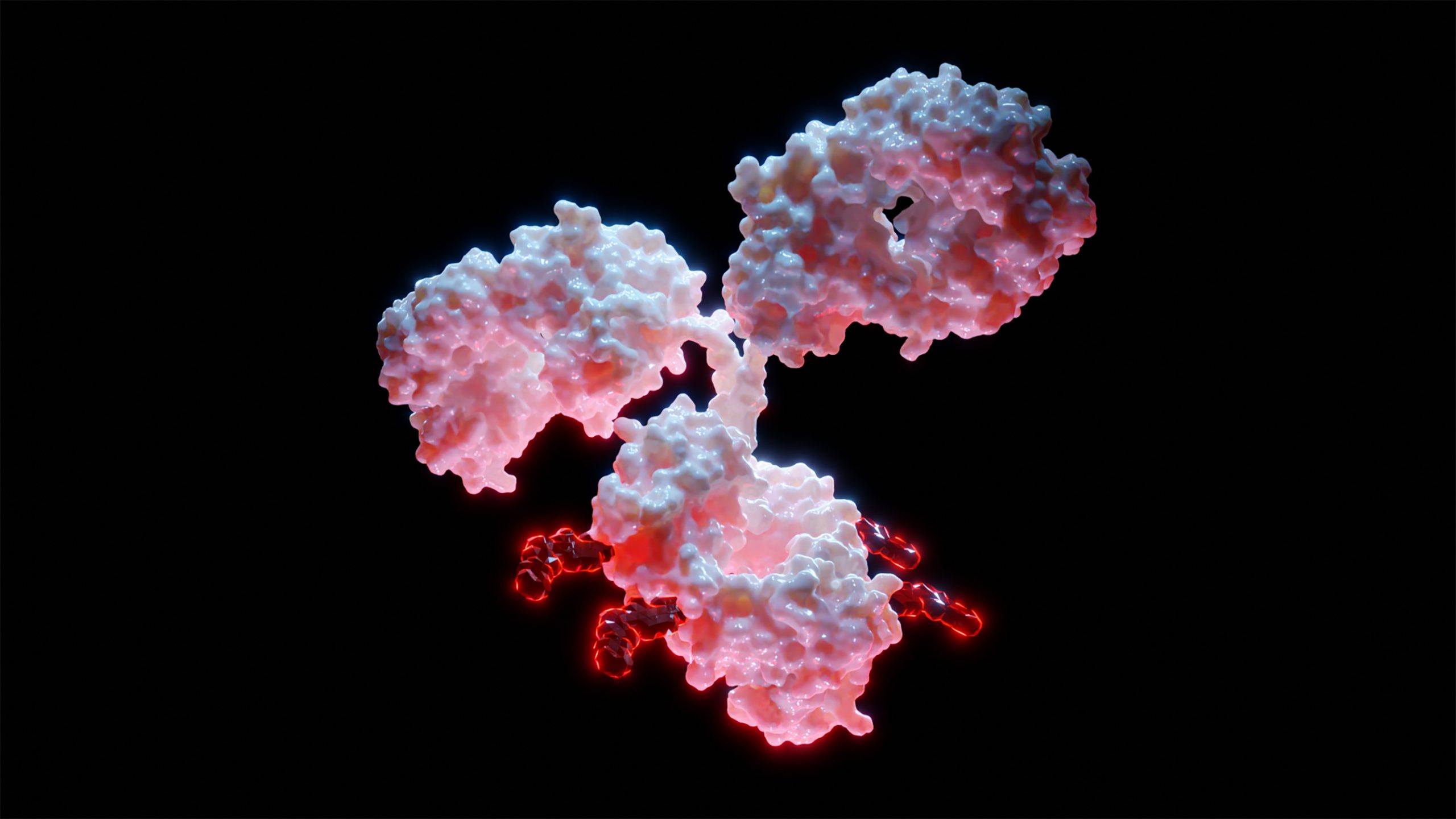
Taking a creative approach to chemistry can help developers of antibody-drug conjugates (ADCs) improve the stability and purity of their products. That’s the view of Sunny Zhou, PhD, professor of chemistry and chemical biology at Northeastern University. Zhou will be speaking at the Bioprocessing Summit in Boston in August.
According to Zhou, the structure of ADCs can make them vulnerable to bioprocessing issues that don’t affect traditional antibodies. As one example, he says, the payloads of antibody drug conjugates often significantly absorb above 280 nm, making them markedly more sensitive to light.
“There’ll be photochemistry induced by the payload that can damage both the antibodies and payloads, such as crosslinking that likely leads to aggregation,” he says. “We’ve already published some work showing light-induced protein modifications, crosslinking, and aggregation.”
According to Zhou, some initiatives are already underway to address this issue. For example, by engaging in antibody production and downstream processing in dim or safe light (e.g., yellow or red light) instead of the more commonly used bright white light.
Another issue, he says, is that the linker connecting the antibody and drug payload is designed to be cleaved by enzymes in human patients. On the other hand, it also means that similar enzymes in host cell proteins (HCPs) may prematurely cleave the linker during production and storage, thereby decomposing the drug and contaminating the final product.
“Many host cell proteins contain such enzymes, but they don’t cleave antibodies. With these ADC linkers, however, enzymes that didn’t create problems before might do so now,” he says.
Zhou explains that premature cleavage of ADC linkers has been observed in an industrial setting. Fortunately, he says, his research team, in collaboration with companies like Takeda, is already creating universal platforms and workflows to identify and effectively remove these potential HCP contaminants, as well as working to better understand the stability of the linkers.
“These drugs circulate in the body for maybe two to three weeks, and stability issues can be amplified during circulation,” he says. “So, making the linker more stable [during manufacturing] may also help improve stability during circulation, further down the line.”
Zhou’s team is now hoping to look at other creative chemistries in bioprocessing. Among these is, for example, removing reagents, by-products, and impurities by filtration, which may be faster than relying on chromatography, he says.
The post Adopting Creative Chemistry to Optimize Bioprocessing Workflow appeared first on GEN - Genetic Engineering and Biotechnology News.
Apa Reaksi Anda?
 Suka
0
Suka
0
 Kurang Suka
0
Kurang Suka
0
 Setuju
0
Setuju
0
 Tidak Setuju
0
Tidak Setuju
0
 Bagus
0
Bagus
0
 Berguna
0
Berguna
0
 Hebat
0
Hebat
0