





















































%20and%20Batch%20Production%20Records%20(BPR).png)












Operator Protection as Core Design Principle for ADC Bioprocessing

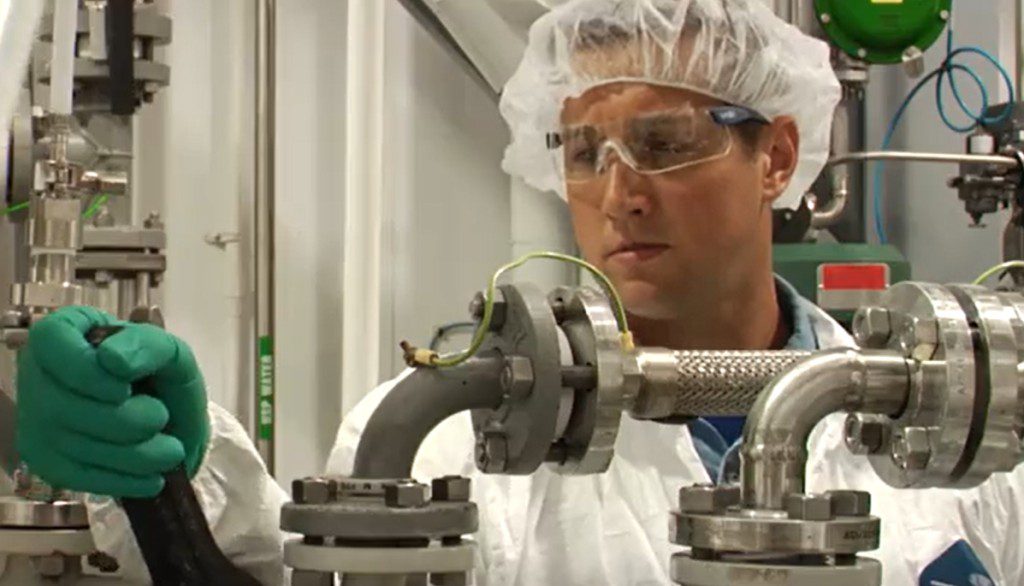
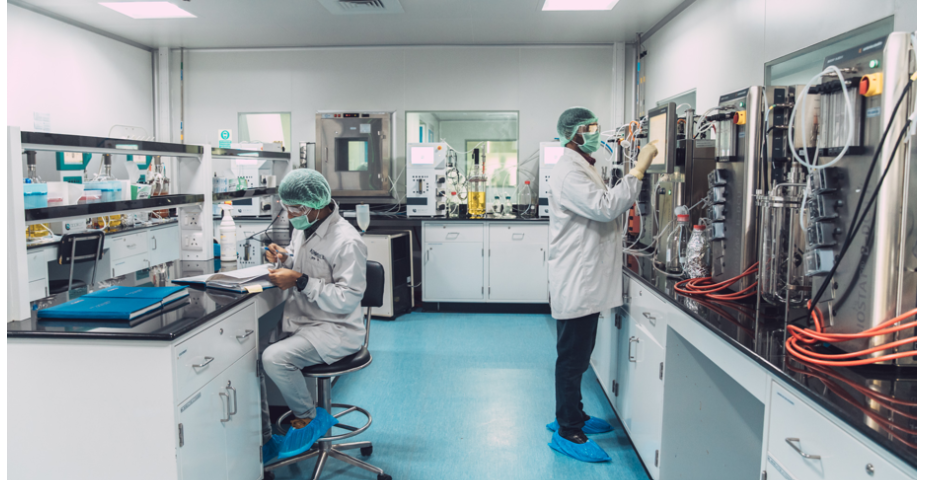
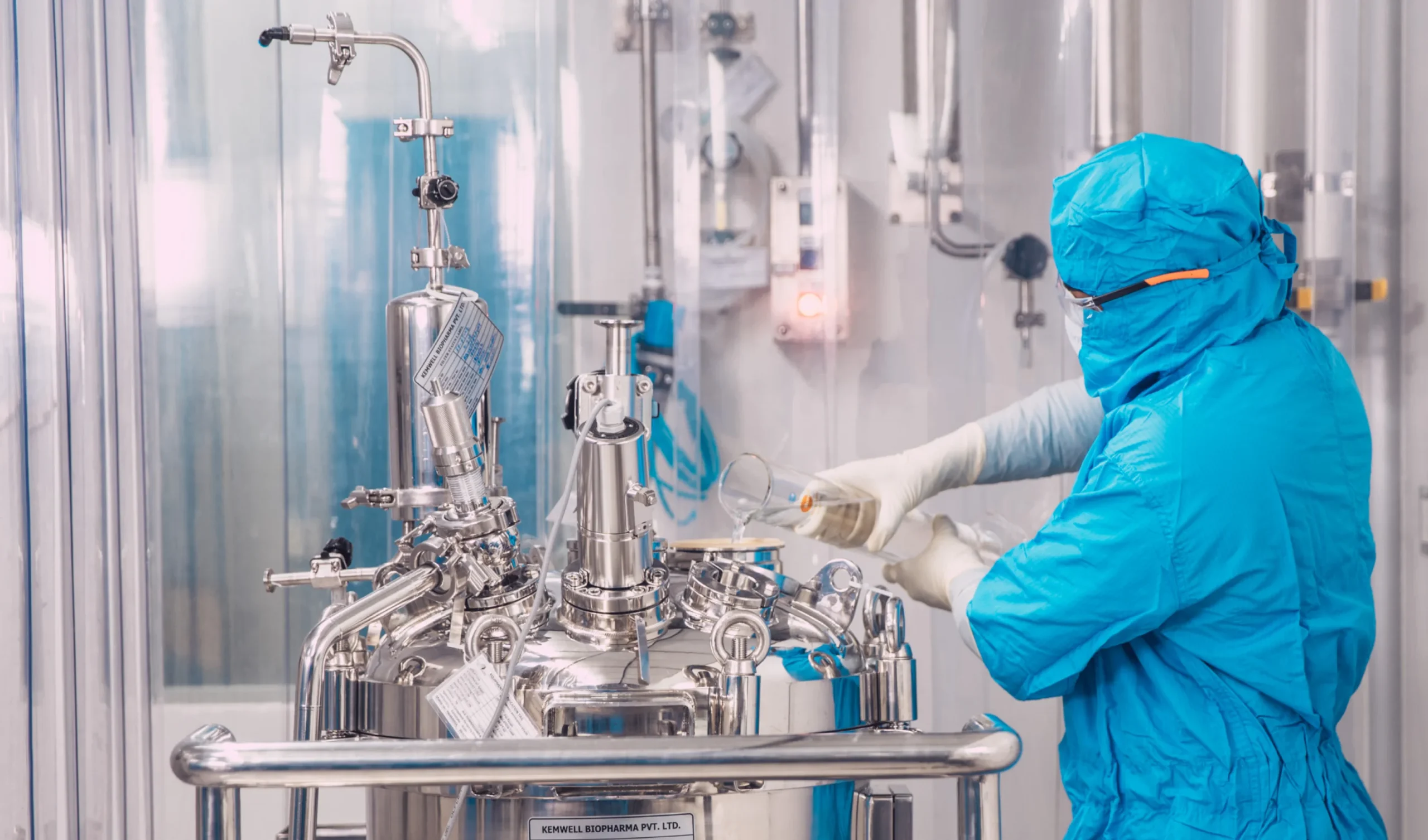
Antibody-drug conjugates (ADCs) continue to gain momentum as one of biopharma’s most promising therapeutic classes, particularly in oncology. But while the science behind ADCs advances rapidly, manufacturing these highly potent therapies forces two requirements to coexist: strict aseptic processing and high-containment handling of highly potent active pharmaceutical ingredients (HPAPIs).
For Ashley Harp, a fellow in containment and bioconjugates at the consultancy CRB, operator protection is not simply an environmental health and safety issue—it is a core design principle for successful ADC bioprocessing.
“One of the primary concerns in ADC bioprocessing is protecting operators from exposure to highly potent compounds, which can exist in both solid and liquid form,” Harp says. “Those risks extend far beyond the core manufacturing team to include quality control, maintenance, and calibration staff—anyone who may interact with the process or equipment over its lifecycle.” That broader view is increasingly important as commercial bioprocessors scale ADC production.
Potential exposure points abound. “Across all stages of ADC bioprocessing, additional risks are associated with handling solid and liquid waste, collecting samples, changing or maintaining HVAC filters, and performing maintenance or calibration activities,” Harp says. These tasks often involve residual potent compounds that remain on equipment surfaces or within process systems, creating exposure risks long after active manufacturing ends.
Tackling those risks starts long before production begins. “Addressing operator protection risks starts with rigorous risk assessments and the implementation of recommendations based on those assessments,” Harp says.
She emphasizes the importance of involving experts in containment, industrial hygiene, and collaborative facility and equipment design early in project planning. Identifying hazards upfront makes it easier—and less costly—to build effective safeguards into the process rather than retrofitting them later.
Where higher-risk activities cannot be avoided, Harp recommends multiple layers of protection rather than relying on a single solution. Closed processing systems, equipment designed to contain materials at the source, and technologies that support safe cleaning and transfer all play a role. Examples include rigid and flexible containment approaches, containment valves, split valves, specialized piping systems, continuous liners, containment enclosures, spray balls, wash wands, and manual wiping protocols.
At the same time, smarter process design can reduce risk even further. “In parallel, thoughtful process development can reduce or even eliminate the need for direct personnel interaction with the manufacturing process,” Harp says. Technologies such as flow chemistry, process intensification, and robotics can significantly reduce manual handling and intervention, limiting the chances of exposure while also improving consistency.
For commercial bioprocessors, implementing these solutions requires organizational alignment. “Successfully implementing these solutions requires early and ongoing collaboration across disciplines,” Harp says. Environmental health and safety, industrial hygiene, maintenance, calibration, operations, engineering, and quality teams all need to be involved from the beginning to form truly cross-functional design teams.
Facilities must also remain flexible. ADC pipelines evolve quickly, and containment strategies need to evolve with them. Specialized expertise in integrating process equipment within high-containment environments is crucial, as are strong R&D capabilities—or partnerships that can provide them.
Although “high containment requirements inherently increase the operational cost and complexity of manufacturing ADCs compared to non-potent therapies,” Harp argues that strategic improvements can offset some of those costs over time. Process intensification, reduced manual handling, and stronger containment can improve raw-material efficiency and reduce waste generation. Implementing new systems might initially extend development timelines or delay time to market, but the long-term result can be safer, more sustainable operations for both people and products.
As ADC pipelines continue to expand, operator protection is shifting from a compliance checkpoint to a competitive necessity.
The post Operator Protection as Core Design Principle for ADC Bioprocessing appeared first on GEN - Genetic Engineering and Biotechnology News.
Apa Reaksi Anda?
 Suka
0
Suka
0
 Kurang Suka
0
Kurang Suka
0
 Setuju
0
Setuju
0
 Tidak Setuju
0
Tidak Setuju
0
 Bagus
0
Bagus
0
 Berguna
0
Berguna
0
 Hebat
0
Hebat
0