
















































%20and%20Batch%20Production%20Records%20(BPR).png)










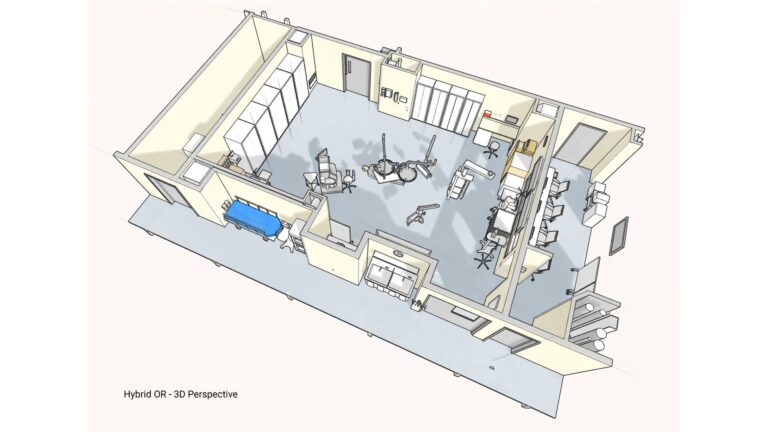
AI models forecast operating room demand for unpredictable trauma cases

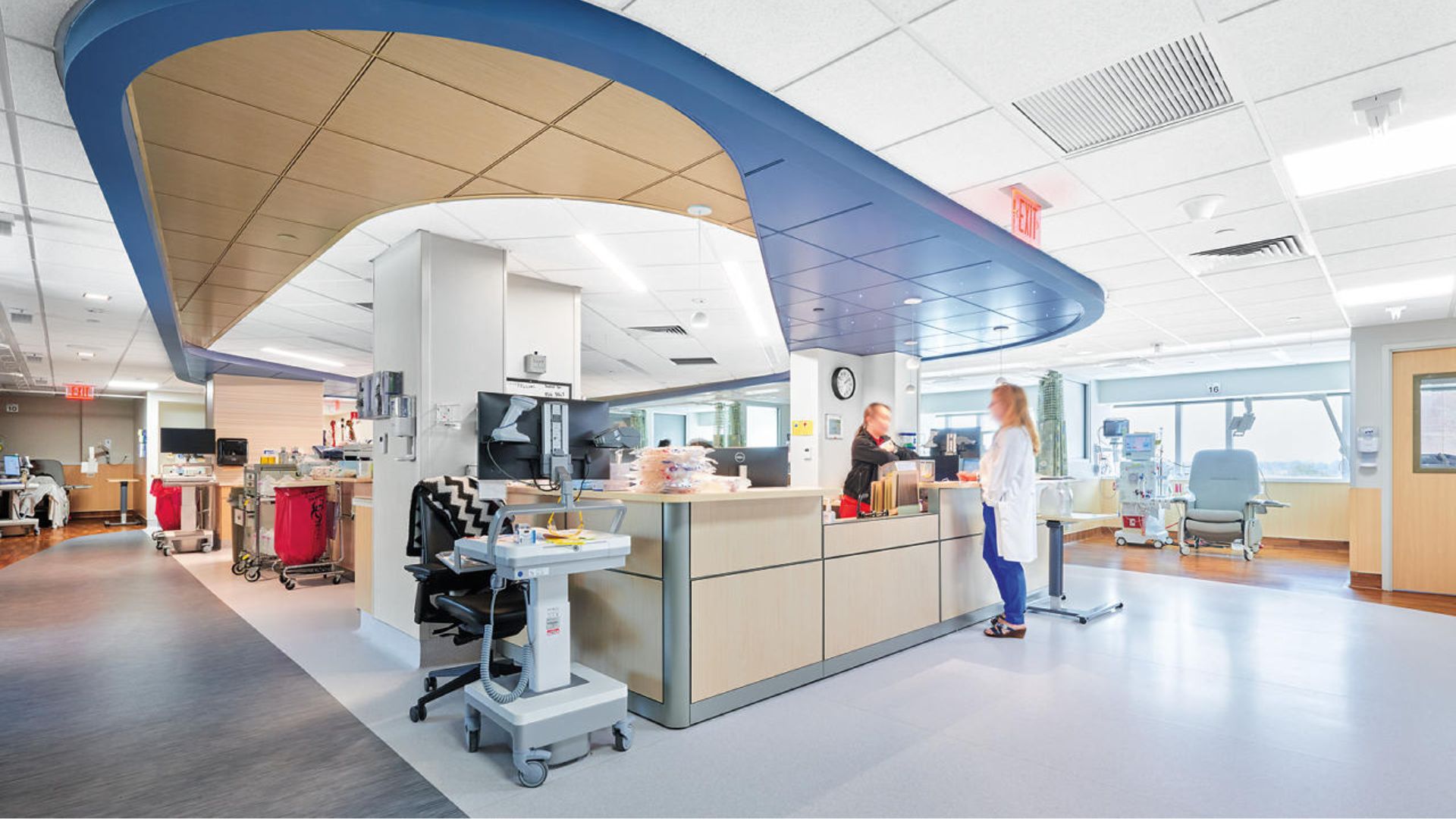
Researchers at Sunnybrook Health Sciences Centre have developed an artificial intelligence (AI) framework capable of accurately predicting daily emergency surgical workloads, offering hospital administrators a data-driven tool to optimize operating room (OR) scheduling and reduce patient wait times.
“Trauma centres regularly struggle with unpredictable surgical volumes driven by shifts in weather, day of the week, and regional activity, but the findings of our study show our AI model substantially outperformed current scheduling tools by predicting total daily surgical hours within a margin of error under two hours,” says Dr. Aazad Abbas, lead author of the study and an orthopaedic surgery resident with Sunnybrook’s Holland Bone & Joint Program and with the Department of Surgery and Institute of Biomedical Engineering at University of Toronto’s Temerty Faculty of Medicine.
Traditionally, hospitals rely on simple historical averages or rough estimates based on daily patient admissions to plan OR availability, but these conventional approaches only correctly predict whether daily demand will exceed a day’s surgical block only about half the time; “a rate no better than flipping a coin,” say the study authors.
Published in The Journal of Bone & Joint Surgery, the study analyzed 9,637 orthopaedic trauma procedures performed between 2012 and 2023.
Researchers combined historical surgical records with real-world variables, including:
• Environmental data: local weather, daily temperature shifts, and icy conditions;
• Temporal patterns: day of the week, seasonality, and proximity to holidays, and
• System operations: regional population statistics, air ambulance arrivals, and daily patient admission counts.
By processing these inputs through advanced machine learning and time-series models, the study’s AI model predicted total daily surgical hours within the margin of error under two hours.
The top-performing machine learning models correctly predicted whether daily surgical demand would exceed standard seven or eight-hour OR block thresholds more than 85 per cent of the time, significantly beating seven-day, 14-day and 30-day rolling averages, which failed to account for sudden spikes or seasonal shifts. Thursdays were found to be the busiest days for orthopaedic trauma surgeries, while summer recorded the highest seasonal workload, averaging over nine hours of daily operative time.
“By forecasting surgical volume hours or months in advance, hospital leaders can transition from fixed scheduling to dynamic resource allocation,” says Dr. Cari Whyne, senior author of the study and Program Director of the Holland Bone & Joint Research Program at Sunnybrook Research Institute. “On anticipated high-volume days, administrators can pre-emptively open overflow trauma rooms or convert elective surgical spaces. Conversely, during low-demand periods, staffing levels can be adjusted without risking surgical delays.”
While the study was conducted at a single Level-I trauma centre, the authors emphasize that the framework can be calibrated using local weather, population, and referral data at hospitals worldwide.
The post AI models forecast operating room demand for unpredictable trauma cases appeared first on Hospital News.
Apa Reaksi Anda?
 Suka
0
Suka
0
 Kurang Suka
0
Kurang Suka
0
 Setuju
0
Setuju
0
 Tidak Setuju
0
Tidak Setuju
0
 Bagus
0
Bagus
0
 Berguna
0
Berguna
0
 Hebat
0
Hebat
0