


















































Shining a light on digital imaging in undergraduate education
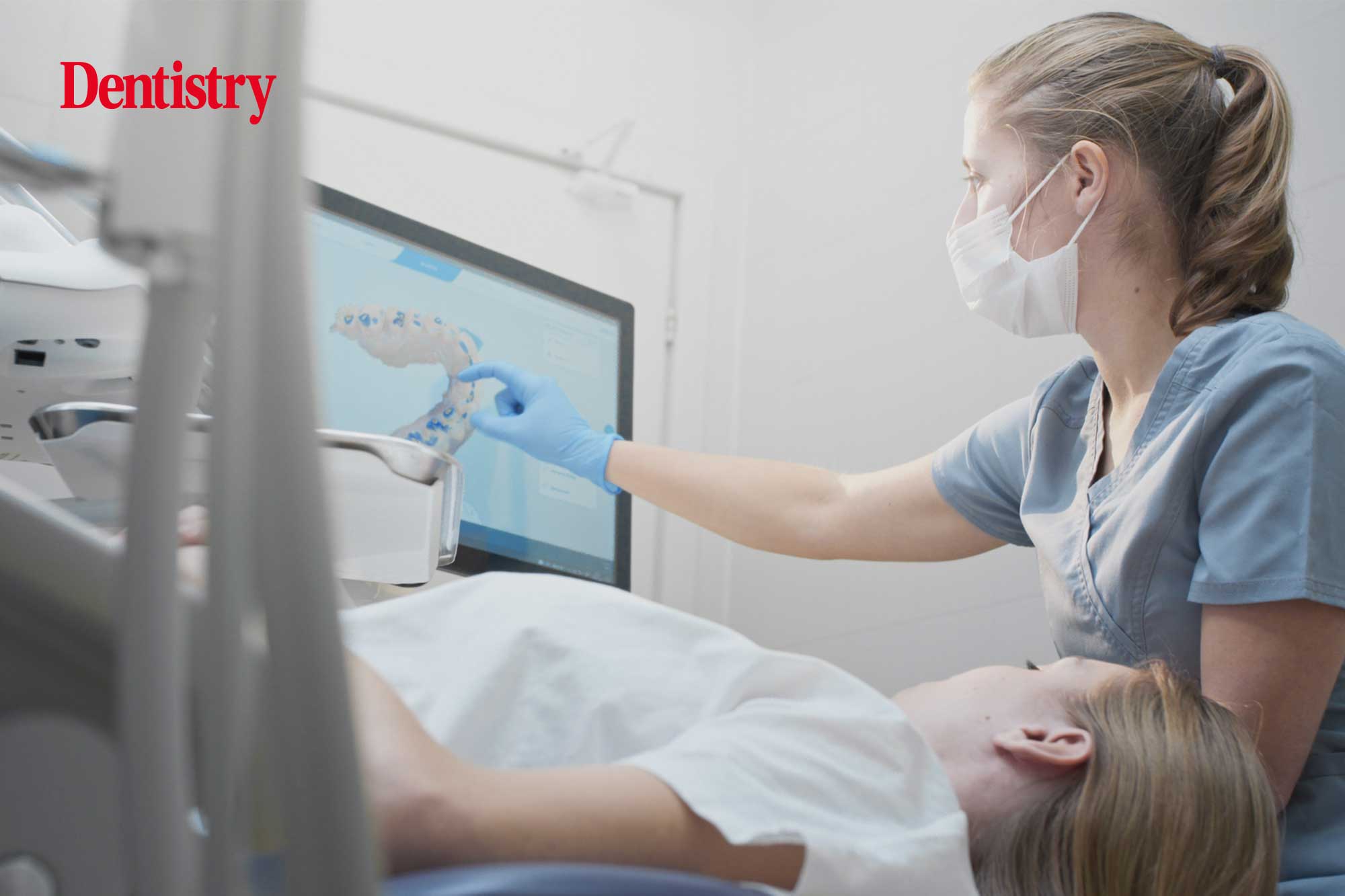
As Acteon’s national dental imaging education initiative, Illuminate, gets underway, leading clinicians and educators consider how well students are prepared for practice and where digital imaging could help.
When theory meets practice
There is comfort in knowing someone experienced is nearby when a clinical decision feels uncertain. During training, students can discuss their thinking and seek reassurance. Once in practice, however, appointments move quickly, patients bring different expectations and even familiar procedures can feel daunting. Many established clinicians will remember those early days and the difference supportive colleagues can make.
Drawing on their own experiences, six members of the Acteon Illuminate judging panel, who will assess students’ anonymised imaging case studies for clinical reasoning and patient communication, share their thoughts on what could make graduates’ early experiences of practice easier.
Dr Randeep Gill, AI Keynote Speaker and Strategist, and host of The TechDental Podcast, believes graduates leave university clinically prepared, although the administrative demands, financial considerations and systems involved in running a practice can come as a surprise.
‘Most graduates are confident with a handpiece long before they are confident with a fee conversation.’
He hears concerns about time pressure, discussing costs and finding genuine mentorship, and believes practices need to be realistic about what they ask of new graduates.
‘Expect safe, honest clinicians who ask for help and are willing to learn, not speed.’
Communication is a clinical necessity
Dr Raabiha Maan, principal dentist and practice owner, founder of the Patient Journey Academy, and dental communication educator and mentor, is concerned about limited hands-on experience and the confidence needed to build patient relationships.
‘We spend years teaching students how to diagnose and treat dental disease, but comparatively little time teaching them how to communicate with the person sitting in the chair.’
She describes the emotional complexity of dentistry, where an anxious patient might be followed by someone experiencing bereavement or another who distrusts dentists. Each encounter calls for sensitivity and an ability to adapt.
‘Communication isn’t a soft skill in dentistry, it’s a clinical necessity.’
The confidence to connect
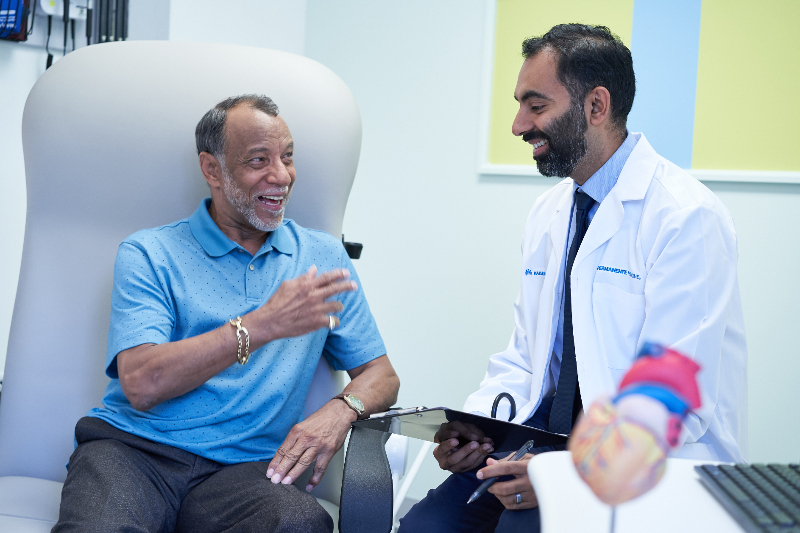
Donna Schembri, clinical educator and dental therapist, highlights the value of intraoral imaging in supporting patient conversations. She has seen how simply showing patients their own images can encourage questions and greater involvement in their care.
‘I’ve often taken routine images as a baseline record and left them on the screen whilst updating my notes. It’s amazing how frequently patients will start asking questions themselves.’
This can be particularly valuable for clinicians developing confidence in explaining findings, although Donna believes that support from colleagues matters just as much.
‘Having an experienced, approachable colleague who can offer guidance, reassurance and constructive feedback can make an enormous difference.’
Digital imaging and clinical support
Amy Hayes, Acteon’s Global Clinical Education Manager and a qualified dental hygienist and therapist, points to another challenge facing graduates: unfamiliar equipment, which can add to the pressures of starting work. She also sees real value in imaging as a way of seeking guidance and reassurance when a second opinion is needed.
‘Instead of trying to find the right words, or asking a colleague to come and look while the patient waits, you can capture a clear image, add it to the record and share it straight away with a more experienced colleague.’
Beyond the technology itself, Amy would like to see a consistent first-year support pathway for every newly qualified member of the dental team.
Preparing for practice together
Louisa Clarke, tutor dental hygienist at the Eastman Dental Hospital, recognises the difference between clinical competence and the confidence that develops through experience.
‘While students leave university with the skills and knowledge required for safe practice, managing complex cases independently, adapting to the pace of general practice, and making autonomous clinical decisions are areas that continue to develop with experience.’
Eastman’s final-year Preparing for Practice module is one response, introducing students to primary care and professional expectations. Louisa would also welcome structured mentorship and protected learning time after qualification.
Shameek Popat, CEO and Co-Founder of Tooth Angel and Disruptive Smiles, similarly believes most clinical skills need time to be developed. He advocates more opportunities to practise clinical procedures and gain business knowledge during training, alongside appropriate equipment, materials and staff support once graduates enter practice.
Providing the best start
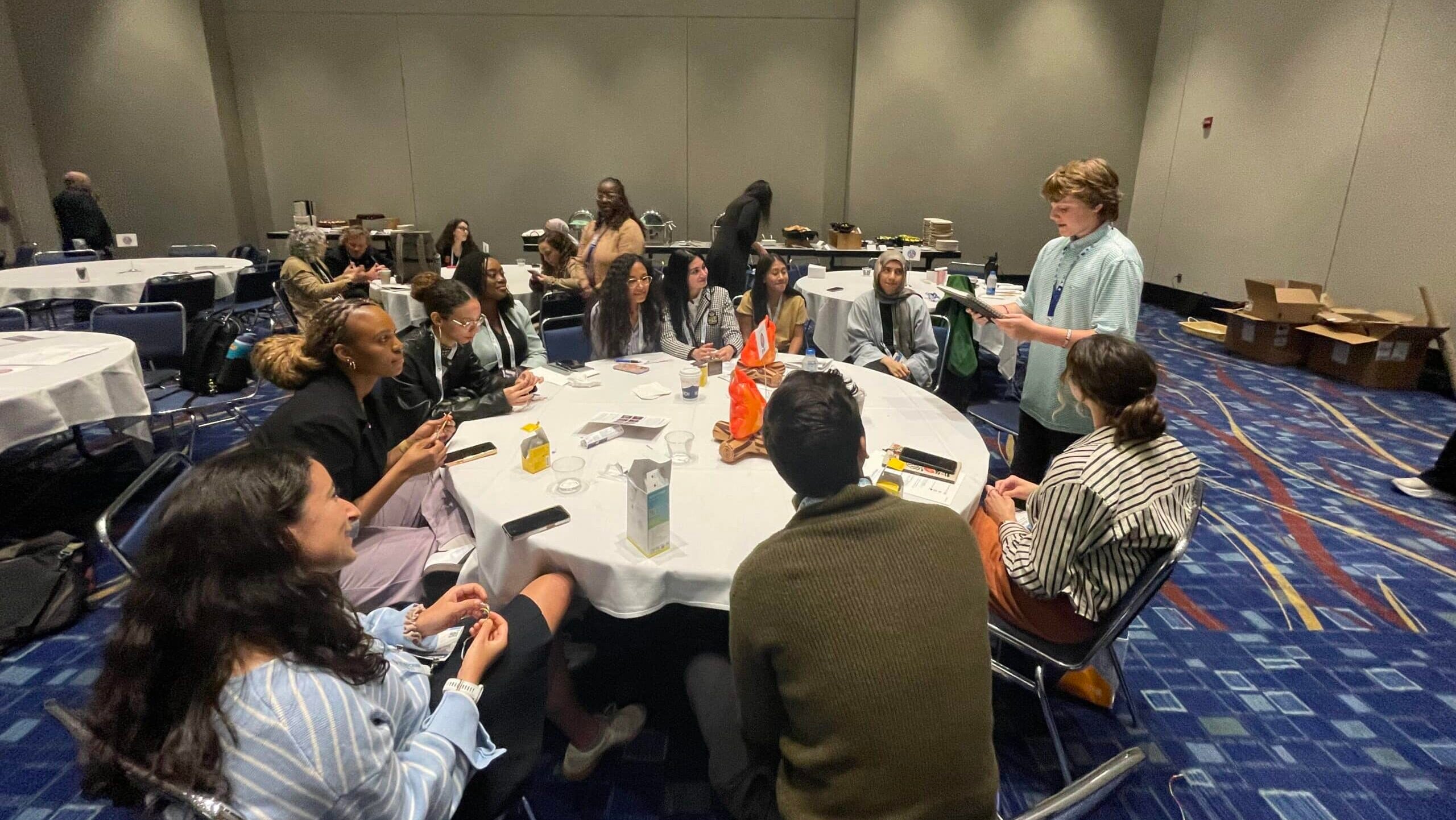
Through Illuminate, students can gain hands-on experience of digital imaging and submit case studies that put their clinical reasoning and patient communication skills to work. It is an opportunity to practise while still having educators nearby to offer advice.
Once they enter practice, colleagues who take the time to answer questions, discuss difficult cases and offer encouragement can make a real difference, helping graduates find their feet and enjoy the dentistry they have worked so hard to learn.
To find out more about Acteon Illuminate, visit acteon.foleon.com/uk/illuminate.
This article is sponsored by Acteon.
Apa Reaksi Anda?
 Suka
0
 Kurang Suka
0
 Setuju
0
 Tidak Setuju
0
 Bagus
0
 Berguna
0
 Hebat
0