















































%20and%20Batch%20Production%20Records%20(BPR).png)














Angiotensin II-Stimulating vs Inhibiting BP Drugs: Stimulating Class Linked to Lower Dementia Pathology Risk, JAMA

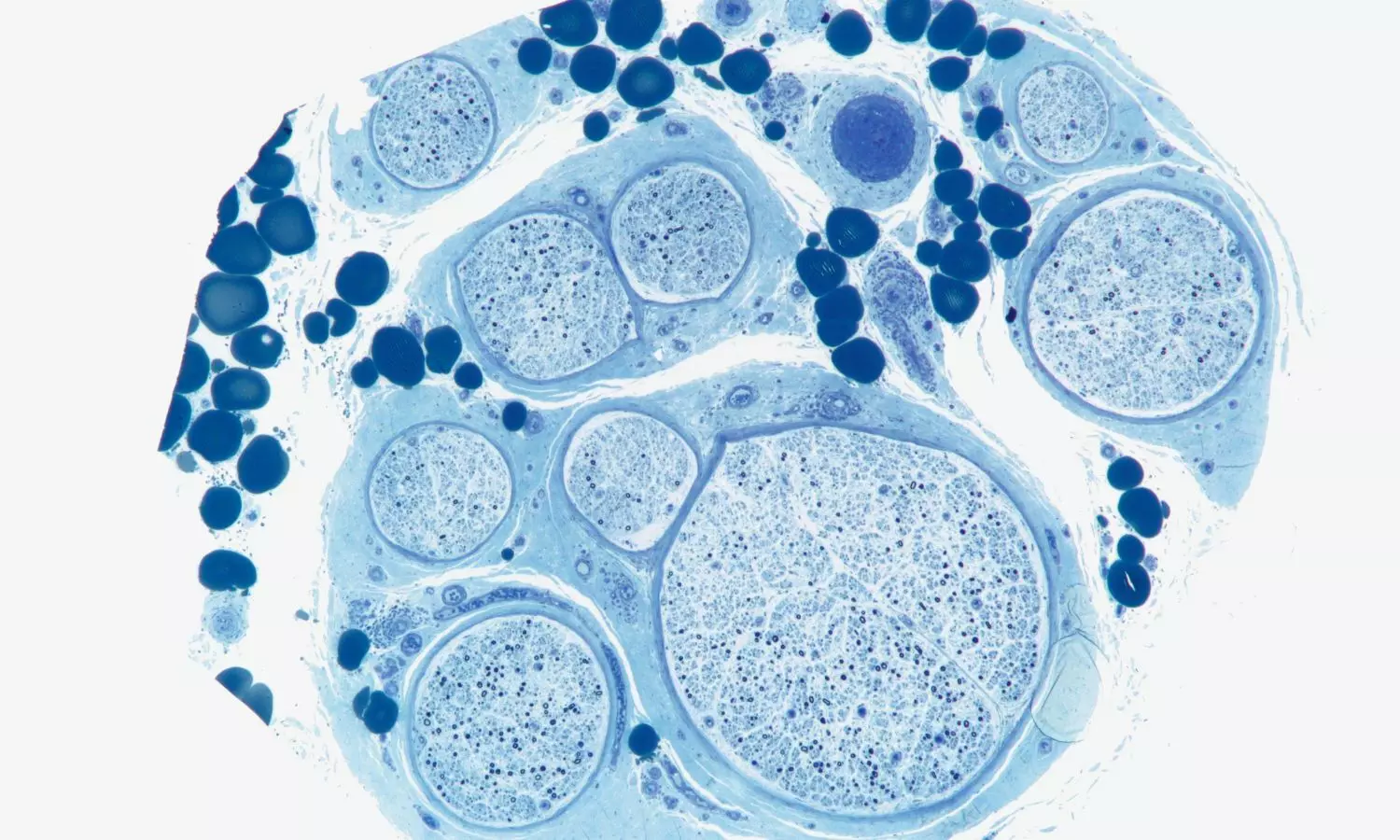
USA: Researchers have discovered in a new research that compared with angiotensin II-inhibiting antihypertensives, angiotensin II-stimulating medications were associated with a lower risk of certain dementia-related neuropathological changes.
The findings, published in JAMA Network Open, come from a community-based autopsy cohort study led by Dr. Shelly L. Gray from the Department of Pharmacy, School of Pharmacy, University of Washington, Seattle, and colleagues. The study explored whether long-term exposure to different classes of blood pressure medications may influence the development of brain changes linked to dementia, beyond their effects on blood pressure control.
The analysis included 756 participants from the Adult Changes in Thought cohort who underwent brain autopsy after death. Participants had documented blood pressure measurements and at least one year of exposure to either angiotensin II–stimulating medications—such as angiotensin receptor blockers (ARBs), dihydropyridine calcium channel blockers, and thiazide diuretics—or angiotensin II–inhibiting drugs, including ACE inhibitors, beta-blockers, and nondihydropyridine calcium channel blockers. The average age at death was 89 years, and participants were followed for a mean duration of over 22 years.
Researchers examined cumulative medication exposure over time, as well as long-term use defined as 15 years or more. Neuropathological outcomes were categorized into Alzheimer disease–related changes, vascular brain injury, and other pathologies. Exploratory analyses also assessed levels of amyloid-beta (Aβ42) and phosphorylated tau proteins in various brain regions.
The following findings were reported:
• Each additional five person-years of angiotensin II–stimulating medication use was associated with a 6% lower risk of arteriolosclerosis compared with equivalent exposure to angiotensin II–inhibiting medications.
• Long-term use (15 years or more) of angiotensin II–stimulating medications was associated with a 24% lower risk of arteriolosclerosis.
• Greater cumulative exposure to angiotensin II–stimulating agents was associated with lower levels of phosphorylated tau in multiple brain regions, including the temporal lobe and hippocampus.
• No significant association was found between angiotensin II–stimulating medication use and amyloid-beta burden.
The findings are consistent with earlier epidemiologic studies suggesting a protective link between angiotensin II–stimulating medications and dementia risk. The results also support the “angiotensin hypothesis,” which proposes that activating certain angiotensin receptors may offer neuroprotective effects.
The study has limitations. Despite being large for an autopsy cohort, the sample produced wide confidence intervals. Many participants used multiple antihypertensive drugs, limiting analysis of individual classes. Changes in prescribing patterns over time may affect relevance to current practice. Residual confounding is possible, and the predominantly White, well-educated cohort may limit generalizability.
Overall, the findings suggest differences among antihypertensive classes in their association with dementia-related brain changes. Further mechanistic studies using advanced imaging and biomarker approaches are needed to clarify how specific blood pressure drugs may influence Alzheimer's disease pathology.
Reference:
Gray SL, Yu O, Gatto NM, et al. Angiotensin II–Stimulating Antihypertensive Medications and Dementia-Related Neuropathology. JAMA Netw Open. 2026;9(2):e2559113. doi:10.1001/jamanetworkopen.2025.59113
Apa Reaksi Anda?
 Suka
0
Suka
0
 Kurang Suka
0
Kurang Suka
0
 Setuju
0
Setuju
0
 Tidak Setuju
0
Tidak Setuju
0
 Bagus
0
Bagus
0
 Berguna
0
Berguna
0
 Hebat
0
Hebat
0

Edusehat
Platform Edukasi Online Untuk Komunitas Kesehatan Agar Mendapatkan Informasi Dan Pengetahuan Terbaru Tentang Kesehatan Dari Nasional Maupun Internasional. ||
An online education platform for the health community to obtain the latest information and knowledge about health from both national and international sources.