




































%20and%20Batch%20Production%20Records%20(BPR).png)














Dental trauma is a first aid problem, not just a dental one

Yousuf Ibrahim explores gaps in dental trauma first aid and how dentists can help parents, teachers and coaches act before an injured patient reaches the surgery.
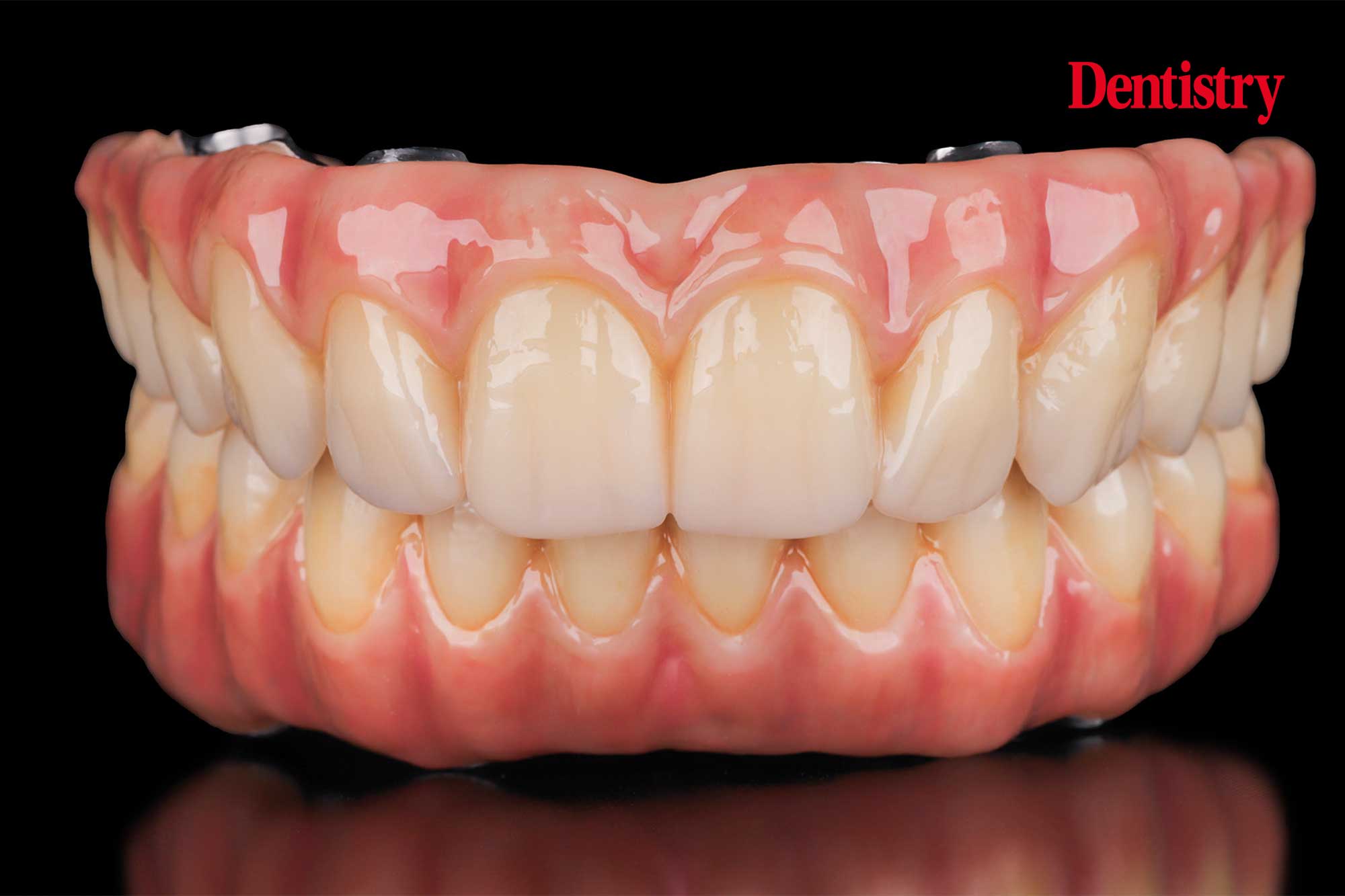
When a patient arrives with an avulsed permanent tooth, we ask how long it has been out of the mouth, how it was handled and whether it was kept moist. Those answers help determine what treatment is possible. Yet the decisions were usually made by someone without dental training.
The International Association of Dental Traumatology recommends immediate replantation of an avulsed permanent tooth when this can be done safely. If it cannot, the tooth should be kept from drying out while urgent dental care is arranged. An avulsed primary tooth must not be replanted (Fouad et al, 2020).
We know these distinctions. The people beside the patient at the time of injury may have never heard them.
The guidance beyond the surgery
I asked numerous first aid trainers how dental injuries feature in their courses. One includes dental trauma in sports training but not the standard three-day First Aid at Work course they deliver. Another covers it across all courses. A third said dental injuries receive brief attention in general training and arise more often on outdoor courses.
One trainer said learners commonly regard a knocked-out tooth as ‘a job for the dentist’ and are surprised to hear that something can be done before the patient gets there. Andy Crowhurst, director of 4 Minutes Training Ltd, described first aid advice for dental injuries as ‘minimal’.
In the trainers’ accounts, coverage varied by course and provider. These conversations are too few to establish how common each approach is across the UK.
Research gives us further reason to look beyond the dental surgery. An international review found recurring gaps in schoolteachers’ knowledge of dental-trauma prevention and emergency management (Tewari et al, 2020). In a London study published in 2007, school staff who had received advice about avulsion were three times more likely to say they would attempt replantation. Respondents also raised concerns about their ability to intervene and the possible consequences of getting it wrong (Addo et al, 2007). The study cannot tell us how prepared schools are today, but it identifies questions that still deserve attention.
In informal conversations with patients while developing ToothRevive, a dental trauma kit, I have noticed a similar distinction. Many know that a knocked-out tooth needs urgent dental attention. Fewer know what to do with the tooth before they arrive. Those conversations have changed how I discuss dental trauma with patients. They reflect my own patient group and should not be read as a measure of public knowledge.
What dentists can contribute
For patients with children, a brief conversation about injury can be as useful as one about prevention. A parent who understands the difference between a primary and permanent tooth, knows to handle an avulsed permanent tooth by the crown and knows to seek urgent help has information they may need at a school gate or sports ground. It need not become a lecture at every appointment. It can be part of relevant, timely advice.
We also meet people whose responsibilities extend beyond their own families: teachers, coaches, school staff and others involved in sport. If dental trauma comes up, that conversation can reach an entire setting. We can ask whether staff have accessible guidance for dental injuries and direct them towards established resources, including those from the IADT and Dental Trauma UK. Sharing an authoritative guide is a useful starting point.
Our own practices are part of the first aid pathway too. Reception teams regularly speak to callers before a dentist can assess an injury. Clear, clinically reviewed instructions on what to say about a knocked-out tooth, and where to direct someone for urgent care, can help prevent uncertainty during that call. The advice must distinguish permanent from primary teeth and encourage immediate action rather than implying that an appointment later in the day is soon enough.
These steps have limits. A scoping review of dental-trauma education found that knowledge can fade and that many interventions were assessed through questionnaires rather than responses to real injuries (Nowosielska et al, 2022). A conversation or poster cannot guarantee the right action months later. Making reliable instructions easy to find when they are needed remains part of the task.
There is a wider role for dentistry in working with first aid providers on guidance that people can actually use. The trainers I spoke to already differ in what they teach; their practical experience should inform that work alongside the clinical evidence. In the meantime, opportunities arise within our surgeries. We see the parents and people responsible for children who will be there long before we are.
References
- Fouad AF, Abbott PV, Tsilingaridis G, Cohenca N, Lauridsen E, Bourguignon C, O’Connell A, Flores MT, Day PF, Hicks L, Andreasen JO, Cehreli ZC, Harlamb S, Kahler B, Oginni A, Semper M, Levin L. International Association of Dental Traumatology guidelines for the management of traumatic dental injuries: 2. Avulsion of permanent teeth. Dent Traumatol. 2020 Aug;36(4):331-342. doi: 10.1111/edt.12573. Epub 2020 Jun 13. PMID: 32460393.
- Tewari N, Goel S, Rahul M, Mathur VP, Ritwik P, Haldar P, Priya H, Pandey RM. Global status of knowledge for prevention and emergency management of traumatic dental injuries among school teachers: A systematic review and meta-analysis. Dent Traumatol. 2020 Dec;36(6):568-583. doi: 10.1111/edt.12579. Epub 2020 Jul 2. PMID: 32516464.
- Addo ME, Parekh S, Moles DR, Roberts GJ. Knowledge of dental trauma first aid (DTFA): the example of avulsed incisors in casualty departments and schools in London. Br Dent J. 2007 May 26;202(10):E27. doi: 10.1038/bdj.2007.328. Epub 2007 Apr 13. PMID: 17435696.
- Nowosielska M, Bagińska J, Kobus A, Kierklo A. How to Educate the Public about Dental Trauma-A Scoping Review. Int J Environ Res Public Health. 2022 Feb 21;19(4):2479. doi: 10.3390/ijerph19042479. PMID: 35206665; PMCID: PMC8872546.
Create a free account for unlimited access — plus the Dentistry Bulletin delivered to your inbox.
Apa Reaksi Anda?
 Suka
0
Suka
0
 Kurang Suka
0
Kurang Suka
0
 Setuju
0
Setuju
0
 Tidak Setuju
0
Tidak Setuju
0
 Bagus
0
Bagus
0
 Berguna
0
Berguna
0
 Hebat
0
Hebat
0