








































































Arthroscopic single-tunnel suture fixation offers excellent outcomes for PCL tibial avulsion fractures: study
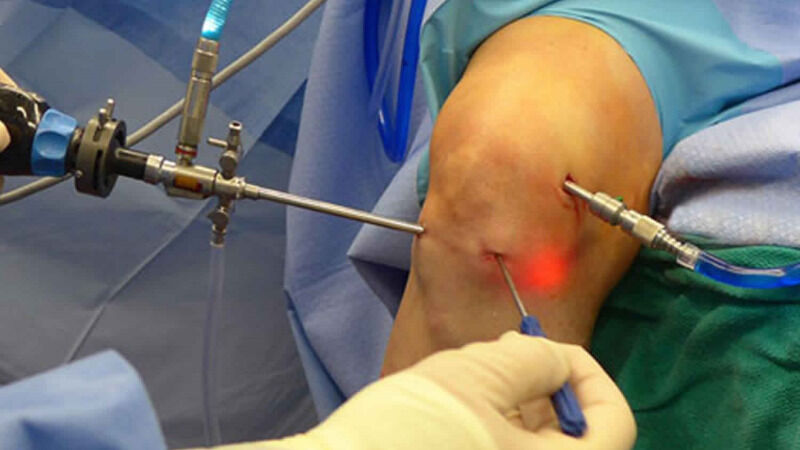
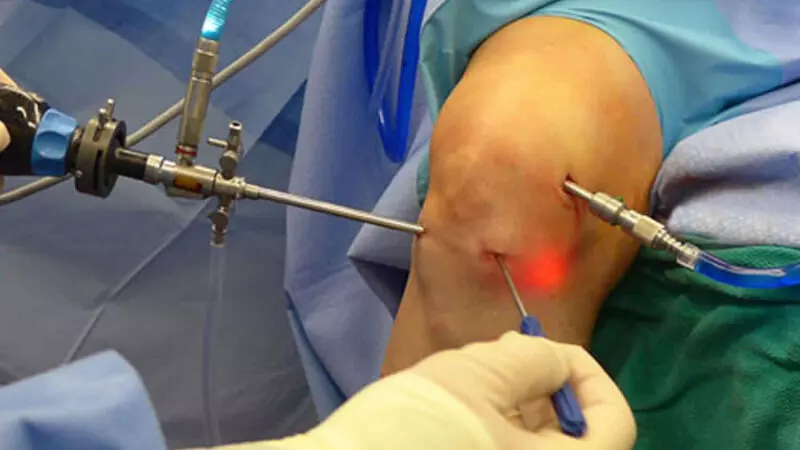
Posterior cruciate ligament (PCL) tibial avulsion fractures require accurate reduction and stable fixation to restore knee stability. Traditional open techniques are invasive, and although arthroscopic approaches have shown promise, complex fixation methods may not be suitable for all populations.
Arnab Karmakar et al conducted a study to evaluate the clinical and functional outcomes of arthroscopic single-tunnel suture fixation for PCL avulsion injuries.
A prospective cohort of 37 patients (26 males, 11 females; mean age 28.35 ± 5.36 years) with acute PCL tibial avulsion fractures underwent arthroscopic single-tunnel fixation using a suture-disc technique in two tertiary care level hospitals. Functional outcomes were assessed using the Lysholm Knee Score at five timepoints (pre-op, and 3-, 6-, 9-, and 12-month post-op). Posterior laxity, range of motion (ROM), radiographic union, and complications were evaluated. Non-parametric statistical tests, including Friedman and Wilcoxon signed-rank tests with Bonferroni correction, were applied to assess score progression.
The key findings of the study were:
• All patients achieved bony union within 8–12 weeks and regained a mean flexion range of 0°–138.5° (SD 3.5).
• Posterior drawer tests normalized in all cases by final follow-up.
• The Lysholm score significantly improved over time (χ 2 = 74.71, p < 0.000001), with all pairwise comparisons remaining statistically significant.
• No vascular, neurological, or wound complications were reported.
• Comparative discussion with existing literature supports the efficacy, safety, and simplicity of this technique.
The authors concluded – “Arthroscopic single-tunnel suture fixation for PCL tibial avulsion fractures is a safe, minimally invasive, and technically efficient procedure that offers excellent clinical, radiological, and functional outcomes. This technique provides stable fixation, facilitates early rehabilitation, and avoids complications associated with open or more complex arthroscopic approaches. Our findings, along with supporting evidence from recent literature, highlight the value of this method as a reliable treatment option, particularly in anatomically constrained populations. Further long-term and comparative studies may help validate its broader applicability.”
For further details on the article refer to:
Arthroscopic Fixation of Posterior Cruciate Ligament Avulsion Injury Using a Simplifi ed Technique: A 1-Year Follow-Up Study
Arnab Karmakar et al
Indian Journal of Orthopaedics (2026) 60:401–410
https://doi.org/10.1007/s43465-025-01604-1
Apa Reaksi Anda?
 Suka
0
 Kurang Suka
0
 Setuju
0
 Tidak Setuju
0
 Bagus
0
 Berguna
0
 Hebat
0