

































































Immune Aging Study in Mice Reveals Clues to T Cell Dysfunction and Cancer Development
Data from a new study led by scientists at Monash University looking at immune aging in mice helps shed more light on why bodies become less effective at fighting cancer and infections with age. The preclinical study, published this week in Science Immunology, identified unique genetic signatures in aging immune cells that cause them to become less effective over time, making older individuals more susceptible to disease. The paper is titled “Aging drives distinct chromatin signatures of CD8 T cell dysfunction and the emergence of a unique CD8 Treg cell population.”
“Our immune system is constantly surveying our bodies for potentially cancerous cells and eliminating them, often without us ever knowing,” explained Daniel Thiele, PhD, first author on the paper and a researcher in the laboratory of Nicole La Gruta, PhD, at Monash Biomedicine Discovery Institute. “As we age, this natural defense system becomes less effective, making us more vulnerable to cancer and infections and reducing our ability to respond to vaccines. This study provides a blueprint of immune aging, from which we can now identify potential targets to reverse aspects of that decline.”
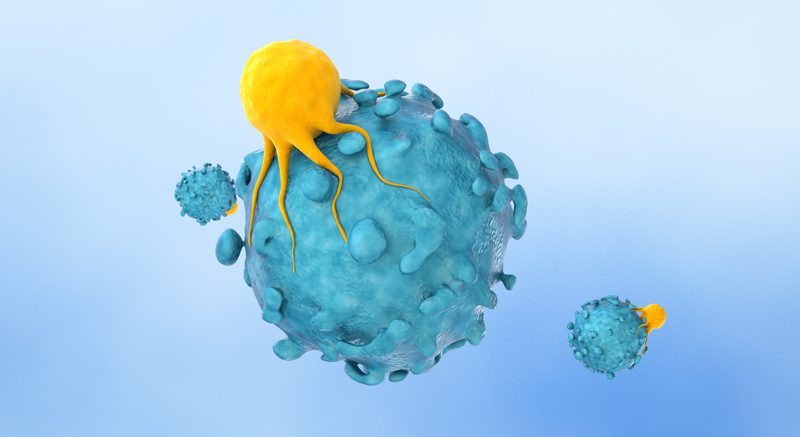
As the title of the paper indicates, the scientists focused on CD8+ T cells, which are part of the body’s frontline defense system for identifying and destroying infected and cancerous cells. According to the team, they identified three distinct ways that aging disrupts the genetic instructions that control how immune cells function, which affects their ability to adapt to new threats, regulate immune responses, and remain healthy. They also discovered a previously unidentified group of aging immune cells that both lose their ability to protect the body against disease and actively suppress the responses of other immune cells. This was true even within the same ageing individual, Thiele noted.
This research supports findings from separate research also from scientists in the La Gruta lab. That study, also published this month in Immunity, found a link between the Granzyme K protein and signs of aging in the heart, liver, and kidneys in preclinical models.
The post Immune Aging Study in Mice Reveals Clues to T Cell Dysfunction and Cancer Development appeared first on GEN - Genetic Engineering and Biotechnology News.
Apa Reaksi Anda?
 Suka
0
 Kurang Suka
0
 Setuju
0
 Tidak Setuju
0
 Bagus
0
 Berguna
0
 Hebat
0