|
In This Issue:
- A Green Practice is Less Expensive
- New Waiting Room Brochures in English, Spanish, and Chinese
- Guiding Children to Save Energy
- Resilience Planning Before the Emergency
|
|
|
|
What excites us this month at My Green Doctor (click to watch)
|
|
A Greener Practice is a Less Expensive Practice
Healthcare practices face pressures to control expenses without compromising patient care. Energy use is one of the many operating costs where thoughtful management can create measurable savings while supporting a healthier, more efficient workplace.
The potential is substantial. The U.S. Environmental Protection Agency’s ENERGY STAR program says an average commercial building can save up to 30% on energy bills through a combination of no-cost actions, strategic investment, and smart operations and maintenance. These savings can be reinvested in other priorities such as new technology and competitive salaries, while efficiency improvements can enhance the comfort, functionality and appearance of a facility.
Up to 30% savings on energy bills for an average commercial building.
— ENERGY STAR
For a healthcare practice, however, knowing that savings are possible is not the same as knowing where to begin. Which opportunities deserve attention first? Who should be involved? And how can improvements be sustained while staff remain focused on patient care?
My Green Doctor’s practice management coaching helps healthcare teams move from good intentions to organized action. Expert coaches identify practical opportunities, engage staff, establish priorities, and make manageable improvements across many topics over time.
Energy use is a good example. Opportunities may involve heating and cooling schedules; uses of lighting, computers and office equipment; purchasing decisions, or even coordination with a landlord or property manager. Because every facility is unique, expert sustainability coaches can best find those opportunities and offer a guided approach to decision-making and tracking progress.
Healthcare facilities have seen the benefits. The U.S. Department of Energy reports that Cleveland Clinic’s Twinsburg Family Health and Surgery Center achieved 36% energy savings and $246,000 in annual cost savings through low- and no-cost conservation measures. Hackensack Meridian Health’s Medical Plaza, an ambulatory care facility, achieved 20% energy savings and $1.27 million in annual cost savings. These examples demonstrate the opportunity created by identifying, prioritizing, and managing efficiency improvements.
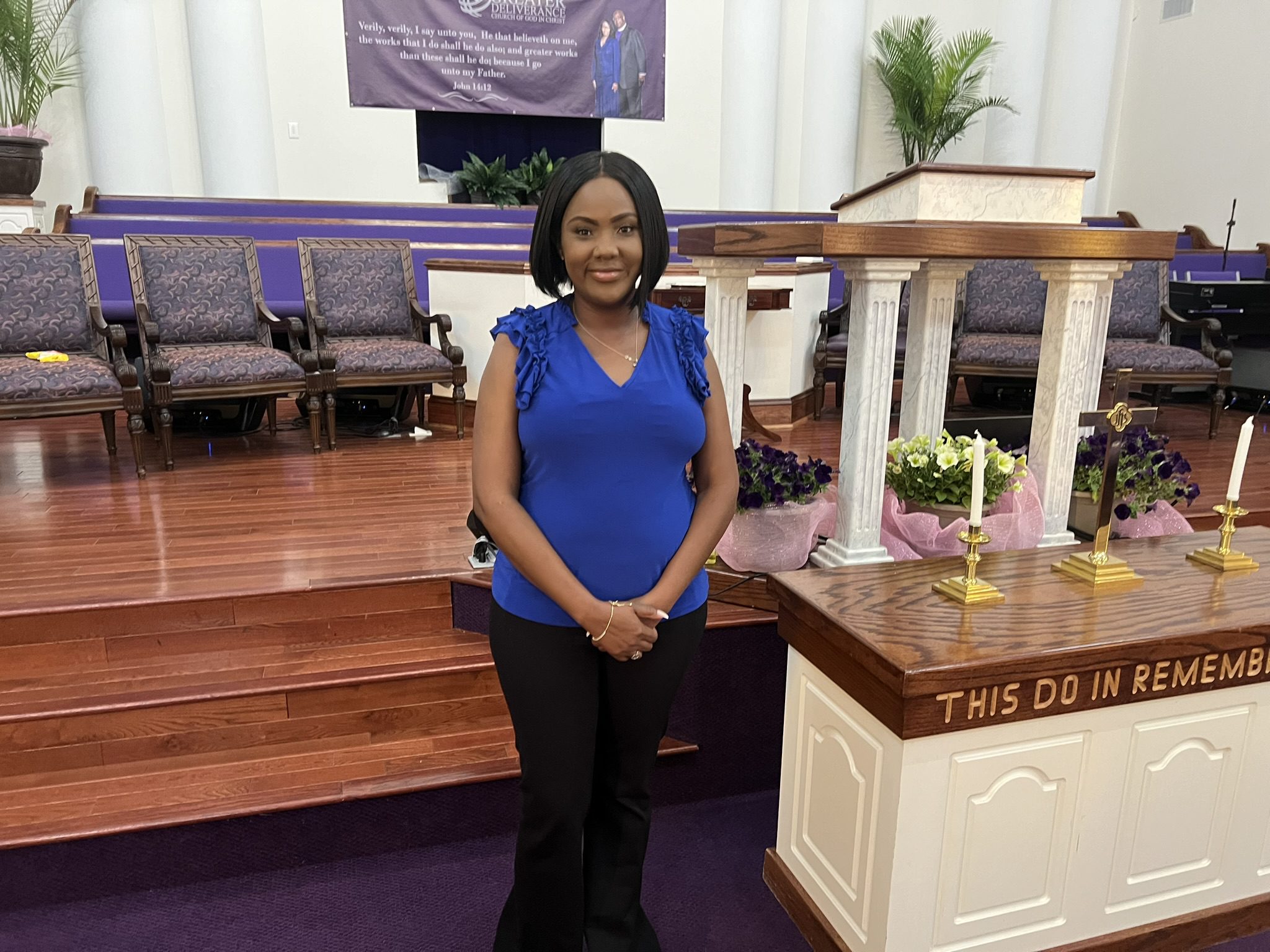
My Green Doctor’s coaching progtam delivers similar results for outpatient clinics and practice. At Weill Cornell’s Internal Medicine practice at Payson House in New York City, a team led by Medical Assistant Shafon Cox and My Green Doctors’s Heather Massey MBA reduced its electricity bill by 19% and generated additional savings by eliminating the purchase of bottled water. The practice has recycling bins–it is even recyling its used batteries–offers brochures in English and Spanish to patients in the waiting room, has five minutes of My Green Doctor on the agenda of each monthly staff meeting, and proudly displays My Green Doctor’s Green Practice Recognition Certificate in the waiting room.
The result is more than a collection of individual environmental actions. What is emerging is culture of resource conservation and lasting operational improvement.
About the Author: Judy Holm is the Marketing and Communications Consultant for My Green Doctor. She specializes in sustainability, resilience, circularity, healthcare, and design. An MIT-certified Climate Change Consultant, she has led more than 1,000 campaigns across the U.S. and Europe.
Resources:
|
|
New Brochures For Easy, Cost-Effective Teaching
Teaching patients ways to improve their health does not require a conversation during an already busy office visit. My Green Doctor has fully updated its evidence-based teaching brochures, giving healthcare practices practical, ready-to-use resources for patients and families. The collection of brochures, handouts, and posters now includes five brochures in English, four in Spanish, and three new brochures in Chinese, making environmental-health information easily accessible. Many topics are covred. The Chinese editions can be read by speakers of most Chinese languages including, of course, Mandarin and Cantonese.
The brochures address issues that patients encounter in everyday life, from extreme heat and air pollution to healthy eating, green cleaning, and disaster preparedness. Each resource provides practical information that can help patients make healthier choices for themselves, their families and their communities. Our peer-reviewed, IRB-approved, published research demonstrates that patients are delighted to receive these from their health professionals and that families make changes in their homes as the result of receiving these brochures.
Brochures for the waiting room can be printed by the practice or purchased at far lower cost from the My Green Doctor Foundiation ( member.services@mygreendoctor.org). Alternatively, patients can be given the QR code to read the brochures at home on their smart phones or computers. You will find these resoources at: https://mygreendoctor.org/resources/waiting-room-brochures/.
This an easy, inexpensive way to extend a practice’s health impacts beyond the exam room. Your practice will be turning community environmental health goals into practical actions that your patients and families will truly enjoy and appreciate.
|
|
Guiding Children to Save Energy
Children can learn resource conservation through familiar, age-appropriate habits: turning off lights when leaving a room, switchin
Sustainability can feel like a big idea to explain to children. But some of its most important lessons can begin with very small actions at home.
My Green Doctor’s short and updated patient-education resource, “Helping Children to Save Energy,” gives healthcare practices a simple tool to share with patients and families. It offers practical ways children can participate in conserving energy and learn that everyday choices can make a difference.
Simple act add up: turning off lights and electronics that are not being used, making thoughtful choices about heating and cooling, and encouraging other family members to participate. These make an abstract idea—saving energy—visible and understandable. These actions can also help families reduce household energy use and expenses while teaching lessons that extend well beyond the utility bill.
Just as importantly, participation gives children a role. They see how their own actions contribute to a household effort. Over time, these everyday habits can help build awareness, responsibility, and a greater understanding of the connection between resource use, health, and the environment.
As Dr. Todd Sack writes, “It’s easy and smart to help your children to save energy.” Share “Helping Children to Save Energy” with your office colleagues and with the families your practice serves.
https://mygreendoctor.org/children-save-energy/
|
|
|
Build Resilience Before the Emergency
When an emergency disrupts an outpatient practice, the consequences can extend quickly—from staffing and communications to facility operations, data loss, and continuity of care. The best time to address those vulnerabilities is before a crisis occurs.
My Green Doctor’s new Workbook 8: Resilience Planning gives outpatient healthcare practices a structured, practical way to prepare. Rather than treating emergency preparedness as another overwhelming project, the Workbook 8 helps practices gradually over several months to identify vulnerabilities, consider the needs of patients and staff, and strengthen their ability to respond when normal operations are disrupted.
For busy practice managers, that structure matters. Resilience planning must fit the realities of an outpatient setting, where staff time is limited, responsibilities are shared and maintaining patient care is essential. Workbook 8 breaks the process into manageable steps that healthcare teams can incorporate into ongoing practice management.
Planning ahead can also help practices think more clearly about the systems they depend upon every day: communications, staffing, utilities, supplies, buildings, and vendors. Identifying potential weaknesses before an emergency provides an opportunity to address them thoughtfully rather than being forced to react under pressure.
To be prepared is not separate from running a strong practice.
Building resilience supports operational continuity, staff readiness, and a practice’s ability to continue serving its patients and community when conditions become difficult.
Combined with My Green Doctor’s coaching services, Workbook 8 helps healthcare teams make resilience a practical part of everyday operations.
Explore Workbook 8: Resilience Planning: https://mygreendoctor.org/workbook-8-resilience-planninng/
|
|
|
|














































%20and%20Batch%20Production%20Records%20(BPR).png)
















 Suka
0
Suka
0
 Kurang Suka
0
Kurang Suka
0
 Setuju
0
Setuju
0
 Tidak Setuju
0
Tidak Setuju
0
 Bagus
0
Bagus
0
 Berguna
0
Berguna
0
 Hebat
0
Hebat
0






