




















































%20and%20Batch%20Production%20Records%20(BPR).png)














AI scribes in the hospital: What works for physicians

An early adopter of AI scribes in the hospital found relatively few physicians were willing to use the tech, in part because of the tech’s shortcomings in the inpatient setting.
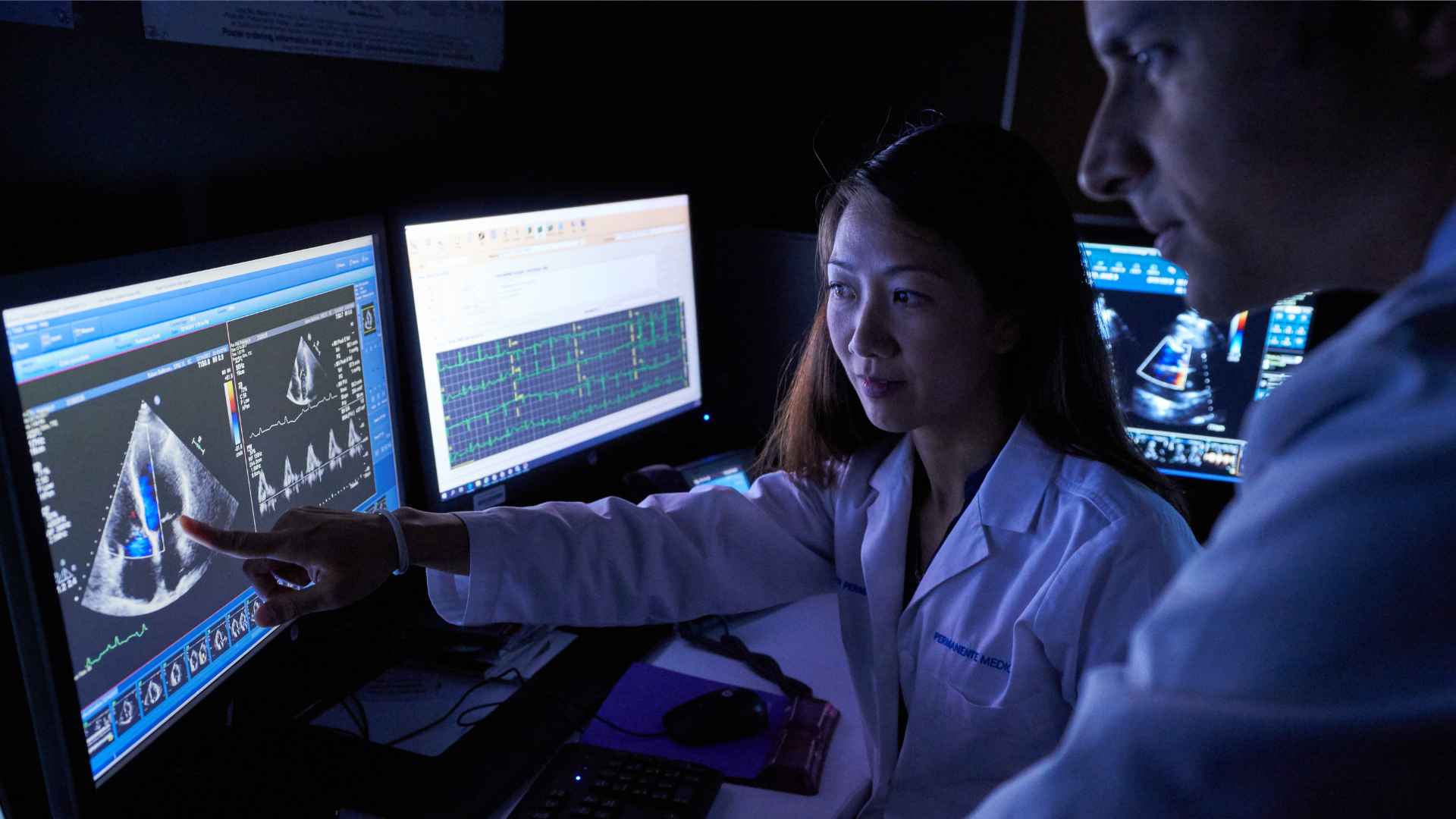
A study published in the Sept. 14, 2026, Journal of Hospital Medicine looked at a rollout of ambient AI in 20 hospitals in March 2025 at Sutter Health, a large health system in northern and central California.
Just 59 physicians participated in the study, half of them hospitalists. Among those who did participate, hospital physicians used AI scribes for less than half of their patient notes. Just over half (53%) said they had a “high degree of success” with AI documentation.
Researchers concluded that while AI scribes hold promise in the inpatient setting, the technology has “significant room for improvement” for physicians in the hospital. Here’s a look at what worked—and what didn’t work—for hospitalists and other inpatient physicians using ambient AI in the study.
What’s wrong with AI scribes in the hospital?
Researchers looked at a rollout of Abridge, an AI scribe that makes an audio recording of clinician-patient encounters and generates a transcript and draft progress note components that clinicians can edit, review and insert into the EHR. Sutter Health was the first health system in the United States to fully integrate Abridge within Epic.
From the start, physicians’ embrace of ambient AI was underwhelming. “We had a large number of inpatient physicians who did not use ambient AI to create even a single note,” the researchers said.
There were some reasons behind that reluctance. When ambient AI was first launched at Sutter, for example, the tech was unable to be used by inpatient providers for patient consultations in the emergency department.
An even bigger problem quickly surfaced: The AI scribe didn’t offer a copy-forward function for progress notes, which is a staple of inpatient documentation. Researchers said that forced physicians to essentially create a new progress note every time they saw a patient, which likely drove down use of the technology.
Physician reviews of ambient AI in the hospital
Ambient AI was more helpful for other uses. After the rollout of AI scribes, the number of physicians who said they felt like they could give patients their undivided attention jumped slightly (from 14 to 16 respondents). The same was true with the number of physicians who said their patients could more easily understand their notes, going from 13 to 15 physicians.
Some physicians said that ambient AI allowed them to give patients their “undivided attention,” “make eye contact,” and even have “a few extra seconds to be human with the patient.” They said the tech also gave them more time to identify questions that could help form a diagnosis.
Most physicians in the study said ambient AI improved efficiency by “saving time” and allowing them to complete other tasks. Researchers, however, noted that those comments were offset by complaints that in some cases, time savings produced by AI were offset by needing to edit and remove “extra information.”
Some respondents said the history of present illness (HPI) section made patient histories more comprehensive and easier to complete because physicians didn’t need to “memorize the HPI.” Other physicians added that AI helped with admission/triage notes, especially during “back-to-back admissions” for inpatient care.
And while some hospital physicians said AI scribes made their notes more “comprehensive,” others felt the notes were “too generic.” Some found inaccurate information in notes generated by ambient AI, such new problems that were not discussed during patient encounters.
Some respondents suggested that AI offer “custom smart lists.” Others asked for the ability to incorporate structured data from the EHR to create A&P sections and to have the ability to “pull forward” or add onto previously generated notes.
How AI helped physician time/productivity
Researchers found that AI scribes helped hospital physicians reduce time spent on patient notes, but the differences they found in in pre- and post -surveys were not significant. The study noted that doctors who used ambient AI for more than 10% of their notes reported a slightly larger decrease in time spent on notes than physicians who used the technology for less than 10% of their notes. Researchers pointed out that previous studies have similarly shown that the more time physicians spend using AI, the more benefits they see in terms of time spent on notes.
Finally, the study noted that even physicians who went into the trial of AI scribes in the hospital optimistic that the tech could boost their productivity changed their minds. Comparing pre- and post-study surveys, researchers found that the number of physicians who thought ambient AI could help them see one additional patient per shift dropped from 55% to 45% of doctors in the study.
The post AI scribes in the hospital: What works for physicians appeared first on Today's Hospitalist.
Apa Reaksi Anda?
 Suka
0
Suka
0
 Kurang Suka
0
Kurang Suka
0
 Setuju
0
Setuju
0
 Tidak Setuju
0
Tidak Setuju
0
 Bagus
0
Bagus
0
 Berguna
0
Berguna
0
 Hebat
0
Hebat
0