













































%20and%20Batch%20Production%20Records%20(BPR).png)















63% of implant patients not told about bone graft materials, survey finds
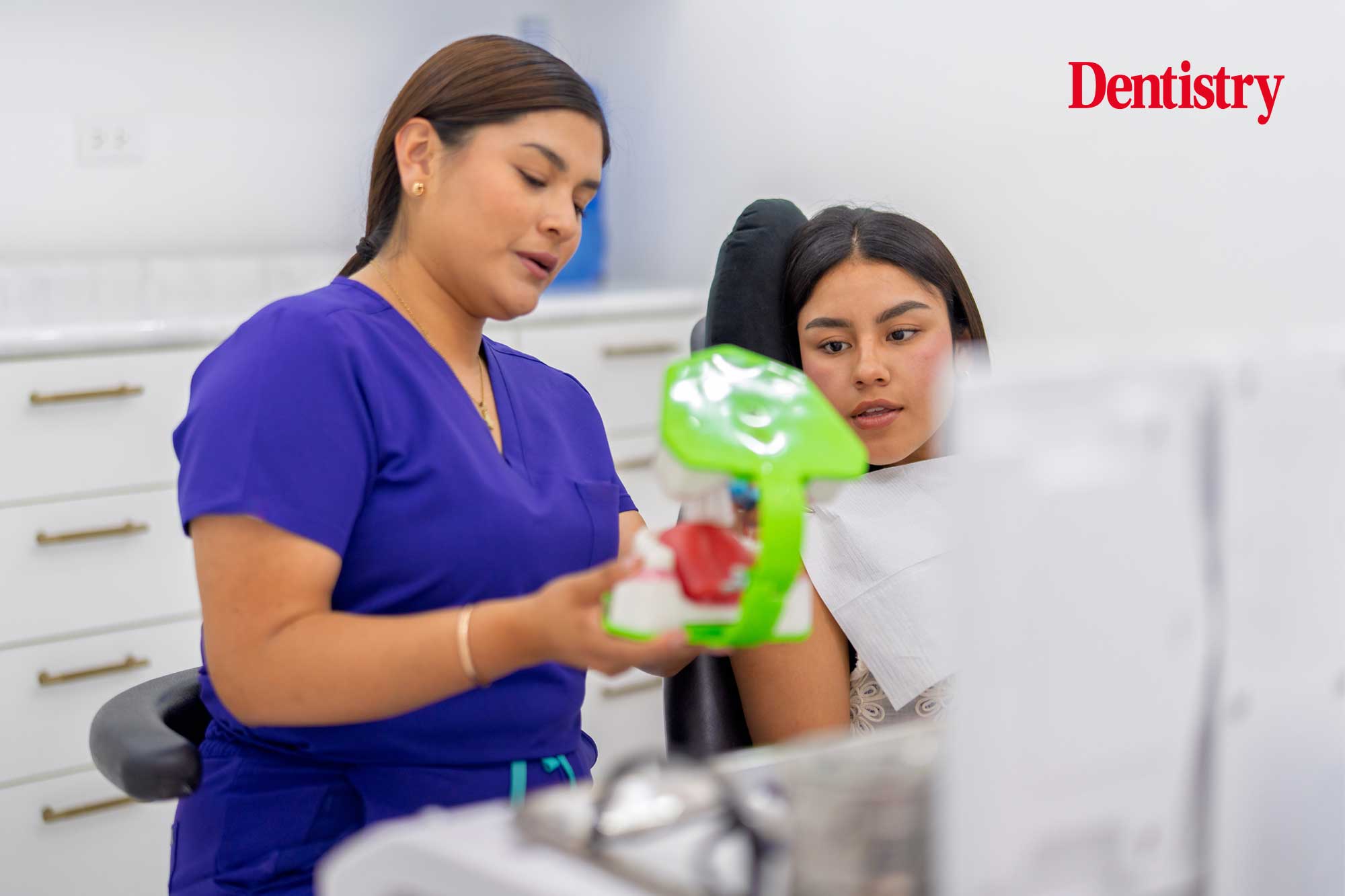
A survey found that 63% of implant patients said their clinician did not discuss different bone graft materials with them before treatment, potentially leaving them unaware that a proposed graft could contain animal-derived or donated human material.
For some Muslim, vegan and other patients with religious or ethical objections, the material’s source may determine whether they consent to treatment. One quarter of respondents in the ‘What’s really in your smile?’ survey said their dentist did not ask whether such beliefs or personal preferences might influence their choice.
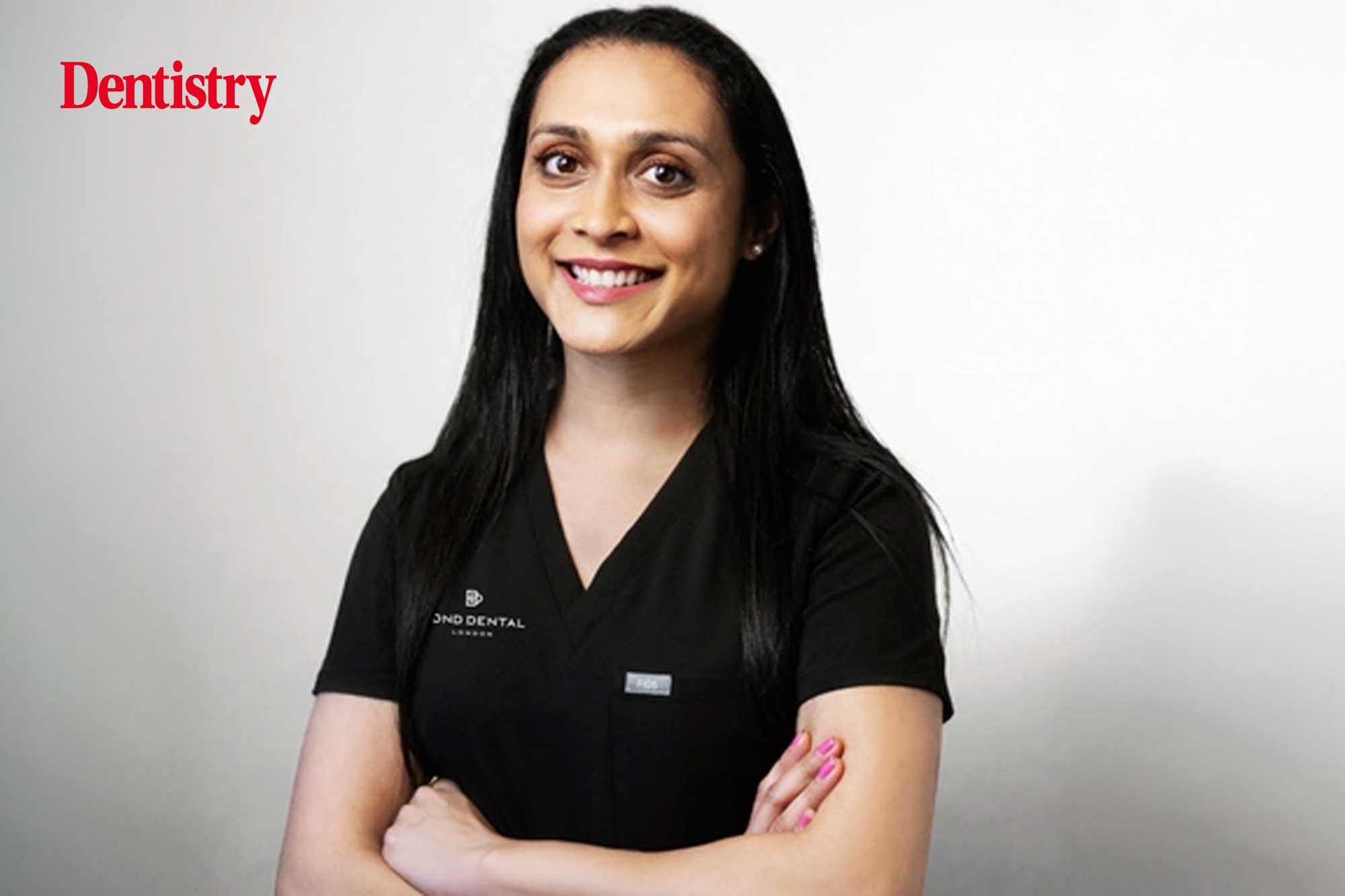
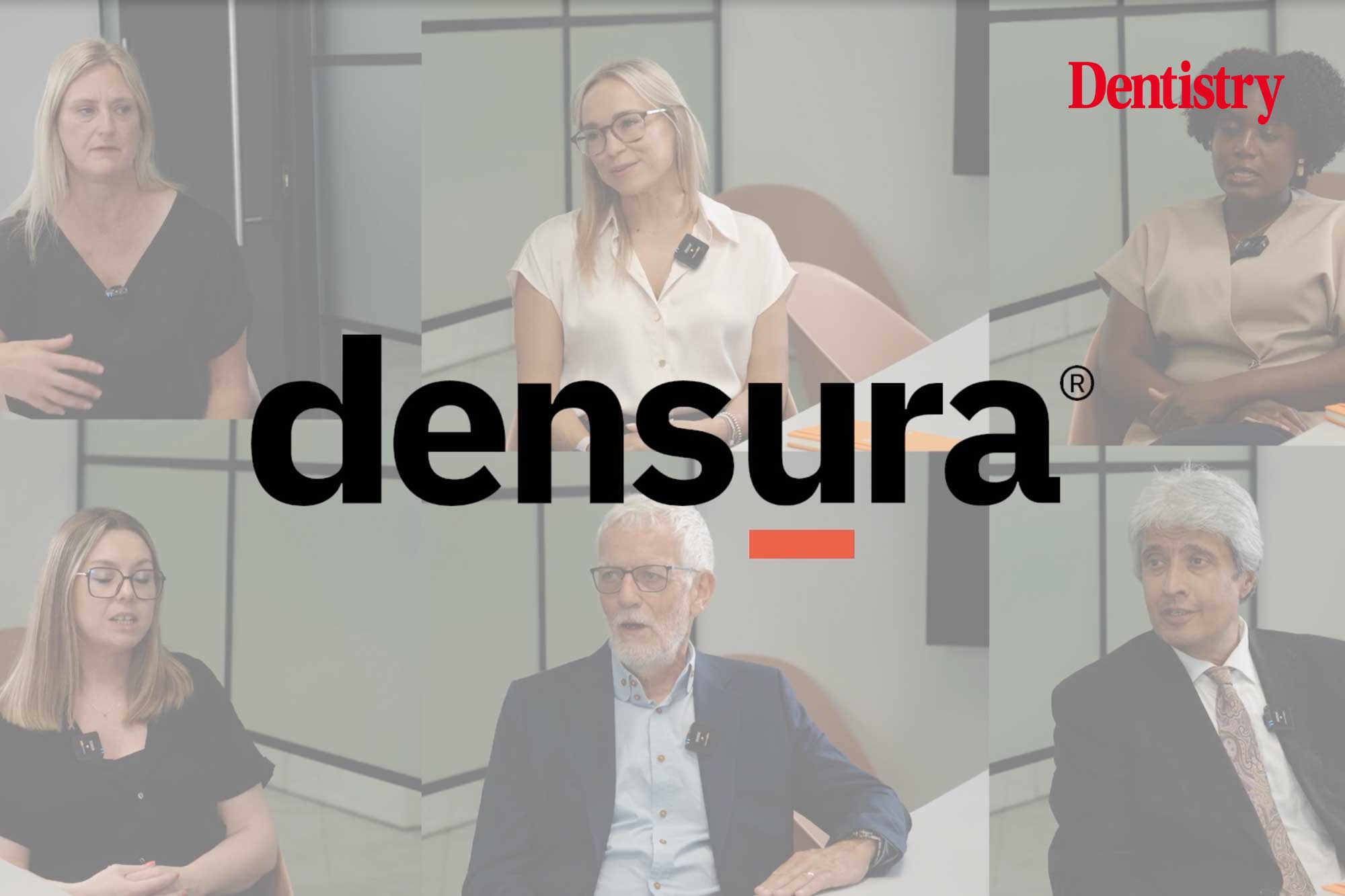
Associate dentist Mariam Belattar emphasised to Dentistry that ‘a material being clinically suitable does not automatically make it acceptable to the individual receiving it’. Whether because of religion, veganism or another personal belief, she said knowing that a bone graft material had an organic source ‘may be fundamental to their decision to proceed with treatment’.
Four in 10 patients said they would have requested synthetic material if told beforehand that their graft would come from an animal or deceased human, while 23% said they would have rejected that material outright.
What are the risks of not declaring a dental bone graft material’s source?
For Belattar, this is a matter of informed consent. She said: ‘In implant dentistry, informed consent extends beyond explaining the surgical procedure, potential complications and expected outcomes. It also includes disclosing the origin of biomaterials used during treatment, particularly where these may conflict with a patient’s religious, ethical or personal beliefs.’
She advised that consent should include a clear explanation of the proposed graft material, its biological origin and reasonable alternatives where clinically appropriate.
In February 2026, the GDC acknowledged concerns about patients not being informed of animal-derived dental materials, including bovine bone graft products. Failing to establish consent around material choice might therefore be seen as a fitness to practise concern.
In the survey, seven in 10 respondents said they expected their dentist to tell them if graft material came from an animal or human. Half of Muslim patients said they would make a complaint if animal-derived material had been used without disclosure.
‘Patients should never discover retrospectively that a material contrary to their religious or ethical beliefs has been placed into their bodies,’ Belattar concluded. ‘In an elective procedure such as implant dentistry, where treatment can ordinarily be planned and discussed in advance, there is little justification for overlooking something so fundamental to a patient’s personal values.’
The research was commissioned by Ethoss Regeneration, a British manufacturer of synthetic bone materials. Belattar highlighted that it is in the company’s interest to make synthetic materials look attractive, but maintained that ‘the underlying consent obligations exist independently of the report’.
Follow Dentistry.co.uk on Instagram to keep up with all the latest dental news and trends.
Apa Reaksi Anda?
 Suka
0
Suka
0
 Kurang Suka
0
Kurang Suka
0
 Setuju
0
Setuju
0
 Tidak Setuju
0
Tidak Setuju
0
 Bagus
0
Bagus
0
 Berguna
0
Berguna
0
 Hebat
0
Hebat
0