

































































Cryo-EM and AI-Designed Scaffold Reveal How Andes Hantavirus Binds Cells
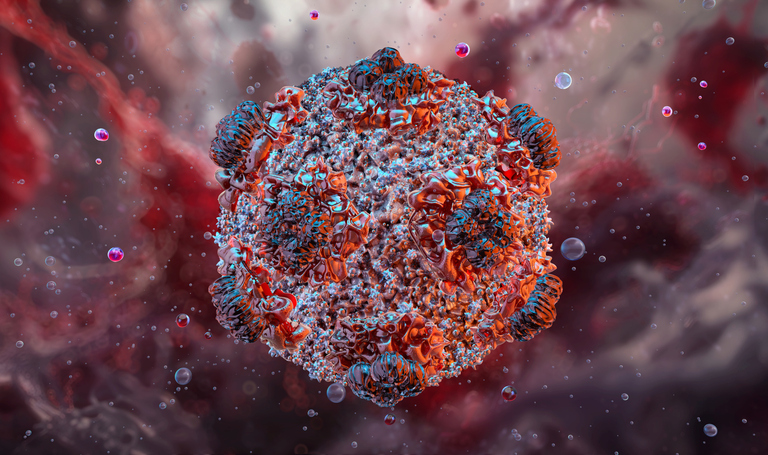
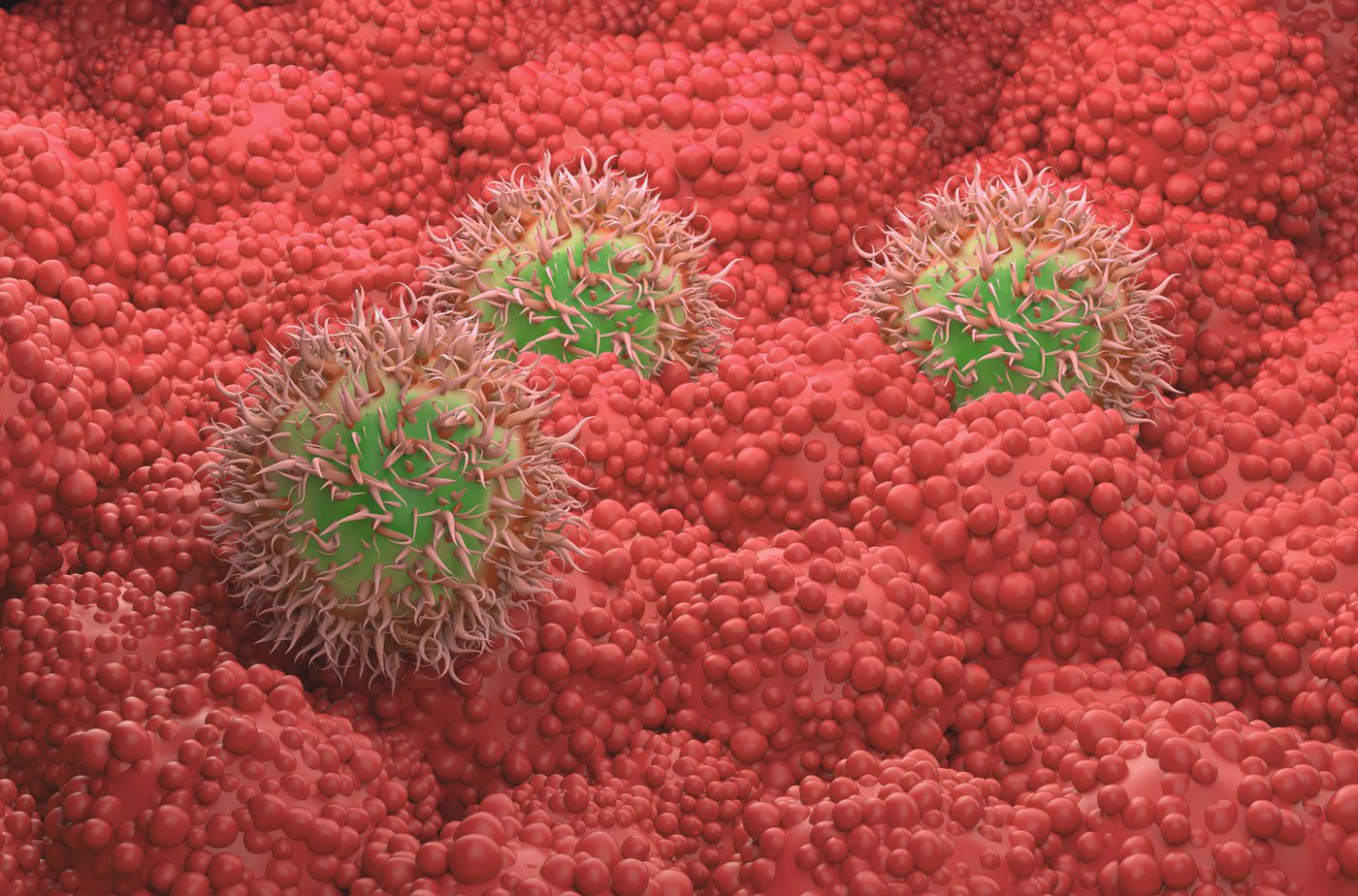
Hantaviruses can turn exposure to infected rodents into a life-threatening illness, including a pulmonary syndrome that can progress rapidly to respiratory failure. Andes virus adds another concern: unlike other hantaviruses known to cause human disease, it can also spread between people. Understanding how it first attaches to human cells could help researchers identify ways to interrupt infection.
Researchers at Albert Einstein College of Medicine in New York, Institut Pasteur in Paris, and LSU Health Shreveport have now resolved that interaction in near-atomic detail. Combining cryo-electron microscopy (cryo-EM) and functional experiments, they showed how the Andes virus spike captures a human receptor—and how antibodies interfere.
The study, published in Nature, is titled “Structural basis for protocadherin-1 recognition by New World hantaviruses.”
Previous research established that Andes virus and other New World hantaviruses use the cell-surface protein protocadherin-1 (PCDH1) to enter host cells. What remained unclear was how the viral spike recognized this receptor. An isolated spike subunit could not bind PCDH1; the interaction required the assembled, four-part structure.
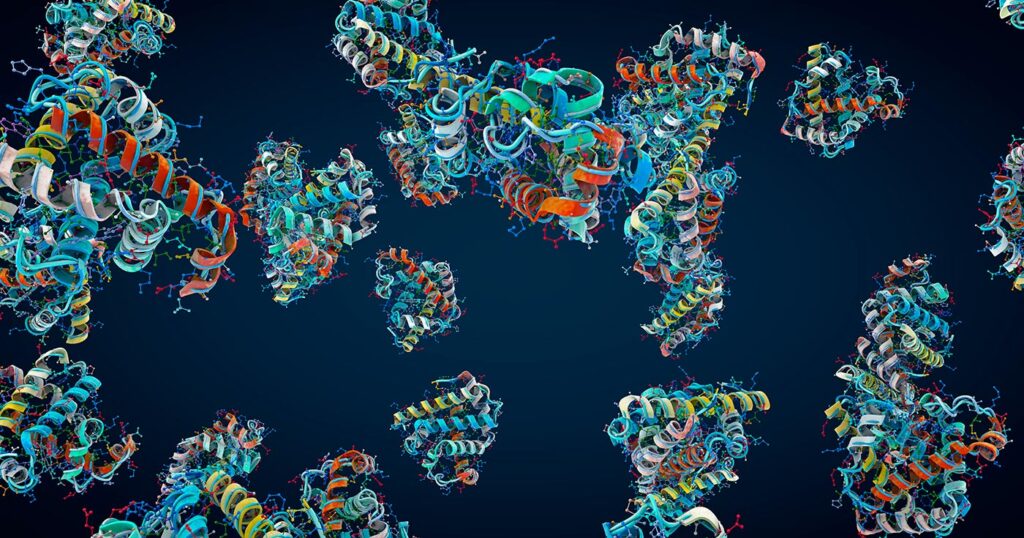
To examine that assembly, the team engineered a soluble Andes virus spike using methods that included an artificial intelligence–designed scaffold. The scaffold helped stabilize the square-shaped complex outside the virus, allowing the researchers to combine it with PCDH1 and analyze the resulting structure using cryo-EM.
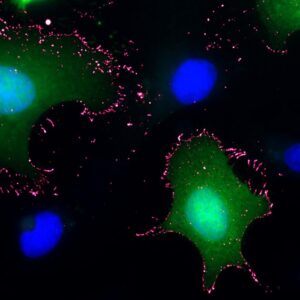
The images revealed that PCDH1 binds asymmetrically within a deep central pocket formed by four copies of the viral Gn glycoprotein. Rather than presenting a receptor-binding site on an individual subunit, the spike builds one through the arrangement of its components.
Mutagenesis experiments identified three Gn loops that help shape the binding site. Changes involving these loops also enabled the researchers to transfer PCDH1-binding ability from New World to Old World hantavirus glycoproteins, according to the paper.
The team also investigated four neutralizing antibodies. Structural and functional analyses showed that the antibodies prevented receptor binding through two mechanisms: obstructing access to the PCDH1-binding site or creating a physical barrier that prevented receptor engagement.
“The depth of this pocket also helps explain how the virus limits antibody access. What’s striking is how the same pocket can accommodate the receptor while restricting antibody access. PCDH1’s long, slender shape lets it reach deep inside, but most antibodies are too bulky to follow,” said Rohit Jangra, PhD, assistant professor of microbiology and immunology at LSU Health Shreveport.
That distinction suggests a direction for therapeutic development. According to the researchers, engineered molecules with a narrow, elongated shape might reach farther into the pocket and block attachment. The team intends to explore this vulnerability as a basis for antiviral strategies against Andes virus and potentially related pathogens, including Sin Nombre virus.
The authors wrote, “Together, these findings define the structural determinants of hantavirus–receptor recognition, reveal how a virus can mask its receptor-binding site by recessing it in a surface depression and how antibodies can counter this strategy, and provide a framework for the design of antiviral therapeutics targeting the hantavirus spike.”
The post Cryo-EM and AI-Designed Scaffold Reveal How Andes Hantavirus Binds Cells appeared first on GEN - Genetic Engineering and Biotechnology News.
Apa Reaksi Anda?
 Suka
0
 Kurang Suka
0
 Setuju
0
 Tidak Setuju
0
 Bagus
0
 Berguna
0
 Hebat
0