








































































The Perfect Protein?

This week in the world of sports science, here’s what happened…
- The future of protein supplementation?
- Why are FC Bayern Munich players wearing tape on their ears?
- Young athletes don’t develop every physical quality at the same rate
The future of protein supplementation?

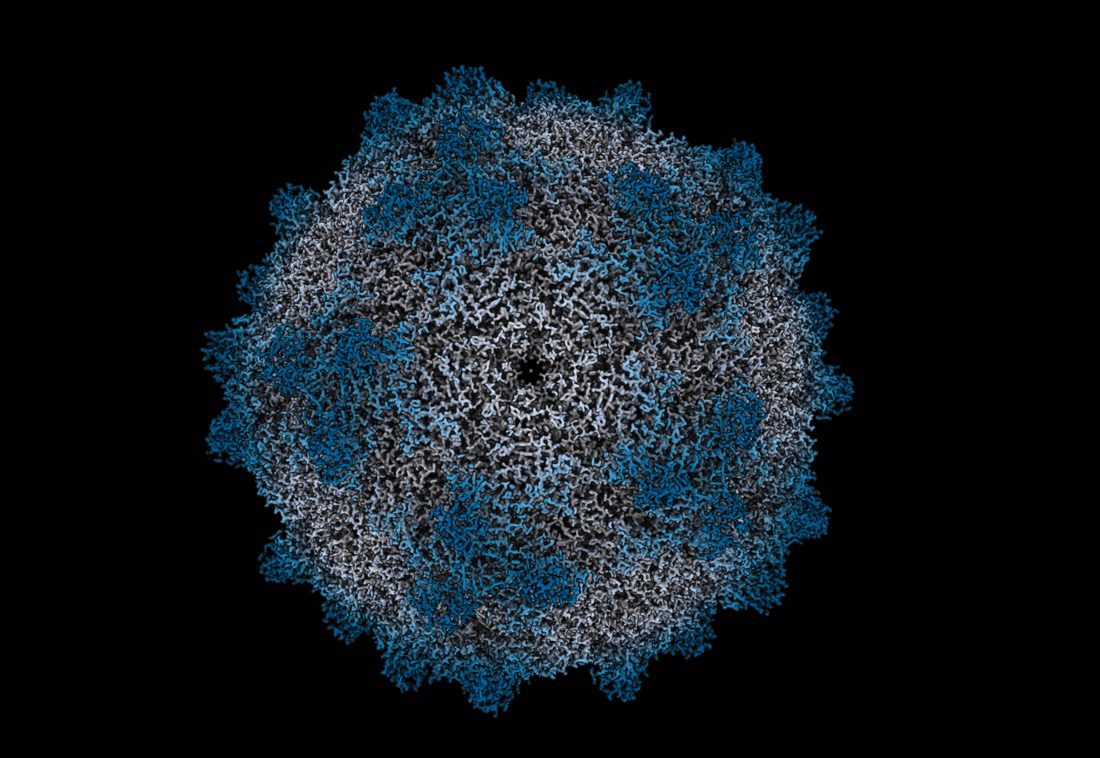
PlaybookHQ, a leading YouTube channel covering sports science and technology, recently explored a potentially exciting development in protein supplementation: Space Milk, a novel yeast-derived protein supplement (see here).
The product is made from yeast protein extracted through fermentation. Space Milk describes it as the “perfect protein”, claiming that it provides a complete amino acid profile, is easy to digest and offers an alternative to conventional protein supplements.
The video highlights potential limitations of existing protein sources, including incomplete amino acid profiles in certain plant-based proteins, concerns about heavy metal contamination in some supplements and digestive issues associated with dairy-based whey protein. Space Milk claims to address these limitations and emphasises transparency through independent third-party testing and publicly available results.
Although the concept is intriguing, further independent research is needed to substantiate claims about its digestibility, protein quality and effects on muscle protein synthesis, as well as any potential advantages over established protein sources such as whey.
It will be fascinating to see whether yeast-derived protein supplements prove to be a genuine innovation in sports nutrition or simply another short-lived industry trend.
Why are FC Bayern Munich players wearing tape on their ears?
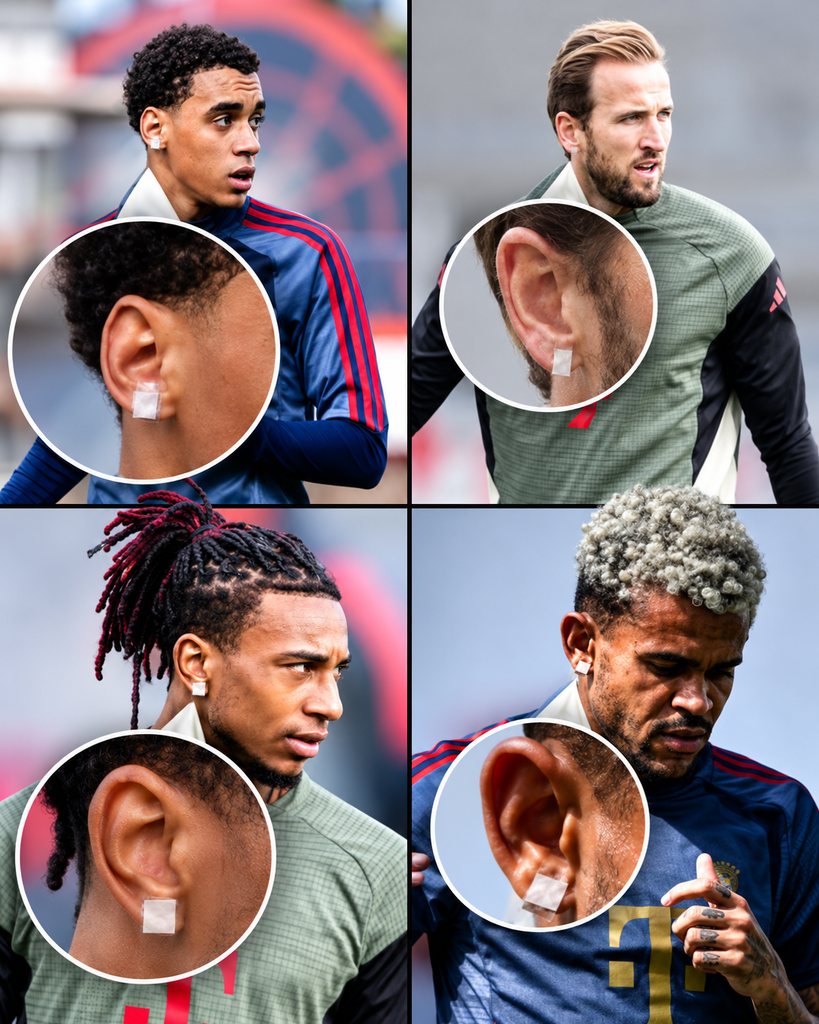
Recent images of FC Bayern Munich players wearing adhesive tape on their earlobes have attracted considerable attention on social media (see here), with many people wondering why the tape is there. However, the practice is not new: FC Bayern Munich players were also spotted wearing similar tape last season.
The explanation lies in the club’s sports science and performance-monitoring practices. FC Bayern Munich’s medical and sports science staff collect blood lactate samples from players’ earlobes instead of using the more traditional fingertip method. These samples allow staff to measure blood lactate concentrations and assess players’ physiological responses to training. The resulting data can help staff tailor training intensity, monitor responses to physical workloads and adjust where necessary.
So, there is a scientific explanation for the adhesive tape seen on FC Bayern Munich players’ ears. It is not a new fashion trend nor evidence that all the players suddenly decided to have their ears pierced at the same time!
If you would like to learn more about athlete monitoring, be sure to check out our highly informative and relevant blogs:
- Training load monitoring: How coaches can effectively monitor multiple variables
- Training load monitoring in team sports: A novel framework for adaptation
- A multi-dimensional approach to training load and performance monitoring
- Fatigue monitoring: Which metrics should we be tracking?
- Monitoring Fatigue
Young athletes don’t develop every physical quality at the same rate

A recently published longitudinal meta-analysis examined patterns of physical development in male adolescent athletes. Drawing on 28 studies across nine sports, the researchers focused on three key physical qualities: lower-body power, acceleration and endurance. Lower-body power was assessed primarily through the countermovement jump, acceleration through the 10-metre sprint, and endurance through tests including the Yo-Yo Intermittent Recovery Test, the 20-metre shuttle run, and interval shuttle runs.
Notably, improvements in lower-body power and endurance were not linear. The fastest rates of improvement occurred at approximately 13.2 years for lower-body power and 13.8 years for endurance, broadly coinciding with the typical timing of peak height velocity in male athletes. Yet acceleration followed a different pattern. Although it is tempting to assume that every physical quality improves rapidly as young athletes enter puberty, 10-metre sprint performance improved relatively steadily between the ages of 12 and 17, with no clearly identifiable surge. Acceleration, therefore, did not appear to benefit from the same obvious maturational boost as lower-body power and endurance.
The key message from this research is that young athletes do not develop every physical quality at the same rate. Around peak height velocity, qualities such as lower-body power and endurance may improve rapidly, while others, including acceleration, may develop more steadily throughout adolescence.
If you are interested in this topic, our blogs Peak Height Velocity (PHV), Maturation, and How does age and maturation affect motor coordination and performance? are well worth checking out!
From us this week:
>> New course: Observation Before Intervention: Building Better Coaching Environments
>> New podcast: The Enhanced Games: Performance, Risk and Athlete Choice
>> New infographic: Performance Analysis
>> New article: ESSA and Science for Sport Announce Strategic Professional Development Partnership
Access to a growing library of sports science courses
SFS Academy is an all-access membership to premium sports science education.
With SFS Academy, you’ll learn from some of the best coaches around the world as they teach you how to apply the latest research and practice with your athletes.
The post The Perfect Protein? appeared first on Science for Sport.
Apa Reaksi Anda?
 Suka
0
 Kurang Suka
0
 Setuju
0
 Tidak Setuju
0
 Bagus
0
 Berguna
0
 Hebat
0