































































The Case for Target Value Delivery
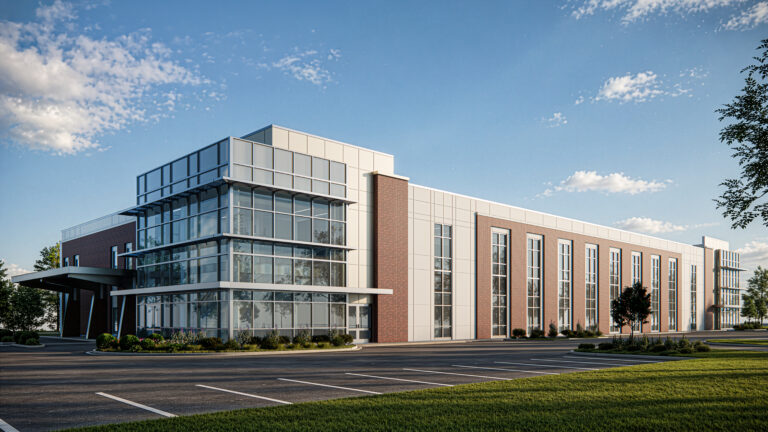
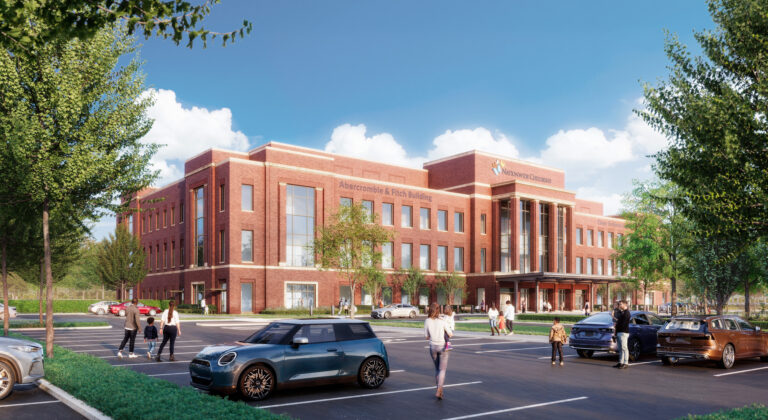
The Self Medical Center, a new 68,000-square-foot multi-specialty medical office building, will house a wide range of care services in a single building. | Photo Credit: McMillan Pazdan Smith
By Stephen Andersson
The need for new, renovated and expanded healthcare spaces continues to rise disproportionately to the available workforce, resulting in higher labor costs alongside declining reimbursement rates. As healthcare organizations must invest in new and upgraded facilities to serve their patients, cost certainty has never been more critical.
For many healthcare leaders, however, the challenge isn’t necessarily getting their projects in budget — it’s getting the program they need for their budget. From cutting significant square footage to losing beloved features, enduring the value-engineering process can be time consuming and frustrating. Fortunately, there is another way.
An alternative to the design, cut, repeat cycle is Target Value Delivery (TVD), a highly collaborative method of designing a project to an established budget.
By engaging the entire project team — client, architect, engineers and contractors — during the design phase, the team can work toward the common goal of creating a space that the client loves while meeting programmatic needs and staying within budget. TVD requires commitment and transparency from the entire team, making construction more predictable and value-driven.
Miracle on Spring Street
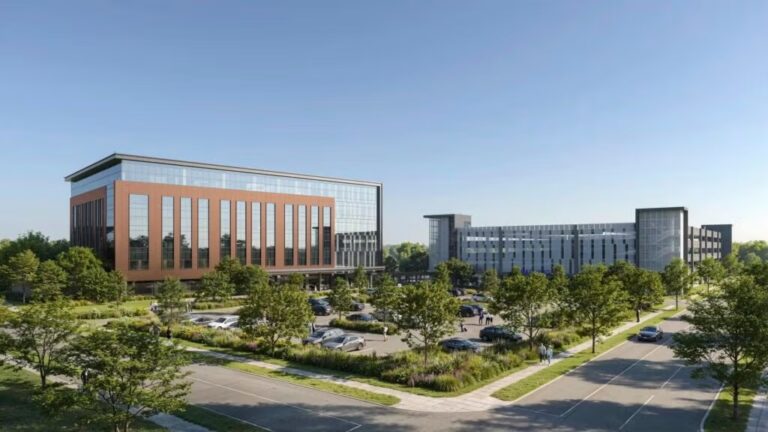
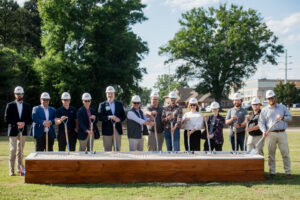
When ground broke on the Self Medical Center Spring Street in May, a nearly two-decade dream took root. Located on the campus of Self Regional Medical Center in Greenwood, S.C., the 68,000-square-foot, multi-specialty medical office building will house urology, gastroenterology, general surgery, bariatric surgery, women’s health and infusion services all in a single building. Once complete in mid 2027, it will support seven nearby counties and nearly 300,000 people.
As a comprehensive, independent, three-hospital healthcare system, every dollar needed to be spent with intention to maximize the care it could deliver. In addition to the fixed budget, the project also needed to adhere to a tight timeline, tracking roughly 15 total months for construction. With little room for delays or rework, the client needed a clear plan and a fully aligned team.
Assembling the Team Behind the Vision
After six years of working on the Self Regional Medical Center campus, Robins & Morton was chosen to lead construction of the new specialty-care building, and architect McMillan Pazdan Smith was selected as the architect. Given the project’s goals, the team agreed that TVD would yield the most predictable outcome.
In addition to the early onboarding of the general contractor, engineers and large-scope trade contractors — such as mechanical, electrical and plumbing — were also brought into the TVD process. While this is always important in collaborative design-assist approaches, securing early commitments from trade resources supports another mounting challenge: workforce. With the number of fast-tracked construction projects growing across the country, specifically for data centers, onboarding mechanical, electrical and plumbing (MEP) trades early results in better project outcomes for material management and labor allocation.
Establishing the Target Value Delivery Structure
The TVD approach requires continuous collaboration, beginning during the design phase. At the onset, Project Implementation Teams, or “PIT groups,” are formed to plan the scopes of work. For the Self Medical Center Spring Street project, there were three: Site/Civil, MEP and Structure/Building Envelope.
Evaluating the total cost, historical data for similar projects and project-specific needs, the team allocated percentages of the budget to each PIT. This allows the PIT groups to collaboratively design the scopes while determining where cost management is needed. In the event that a scope is under budget, the team can present opportunities to add wanted items.
At the Self Medical Center Spring Street project, every team member also has access to software that contains all project cost data, including the status of the overall budget and each PIT group’s budget. This creates radical cost transparency and ensures everyone has the most up-to-date information, preventing miscommunication. The software also has a sandbox environment where any team member can run varying cost-management scenarios, demonstrating how changes affect the budget.
One tactic for achieving this collaborative culture was establishing a project “Conditions of Satisfaction” charter that contains required measures of success for the project. That alignment provided clarity on shared goals and allowed the team to focus collectively on what was most advantageous to the project.
Early Target Value Delivery Wins
Although the Self Medical Center Spring Street project is early in the construction phase, there have already been several significant wins throughout the TVD process. One of the most significant was preserving the building’s exterior design.
The first rendering of the project included a striking glass curtain wall around the entry point and curtain-wall windows on the sides of the building. This design came at a higher cost than the initial PIT group allocation, but it was core to client satisfaction. Understanding that preference, the team sought ways to adjust the cost to support the aesthetic. First, they reduced the size of the curtain wall on the sides of the building, lowering material cost without dramatically changing the look. Then, they made a few small adjustments to interior finishes to balance the remaining deficit, successfully maintaining the design intent.
Because much of the design is completed collaboratively in TVD, teams are able to catch and correct constructability issues earlier.
For example, the Robins & Morton team and the mechanical trade contractor determined that rooftop ductwork should instead be placed in an interstitial space between the ceiling and the decking. They brought the idea to the mechanical engineer, who quickly reconfigured the space. Being able to perform the design verification at an earlier stage prevented the cost and schedule loss associated with approximately four weeks of rework.
The importance of early commitments and support from trade contractors cannot be overstated in TVD and design-assist projects. Trades bring tremendous value through knowledge of the intricacies of their scopes and required equipment. On the Self Medical Center Spring Street project, the mechanical contractor evaluated project needs against the specified units. Through its field experience, the contractor recommended another manufacturer with more favorable lead times, ultimately saving $70,000.
The Future of Target Value Delivery
While it’s excellent for complex projects with tight budgets and compressed schedules, TVD does require early onboarding of all major project participants — and all parties must be fully committed to the process and completely transparent in making cost decisions. TVD also challenges the status quo, allowing all disciplines to plan the same project together, and results in greater client satisfaction.
Stephen Andersson is a Superintendent at Robins & Morton.
This article was published in the 2026 Design & Construction Edition of Healthcare Construction + Operations News.
The post The Case for Target Value Delivery appeared first on HCO News.
The post The Case for Target Value Delivery appeared first on HCO News.
Apa Reaksi Anda?
 Suka
0
 Kurang Suka
0
 Setuju
0
 Tidak Setuju
0
 Bagus
0
 Berguna
0
 Hebat
0