



































































The power of connection: Addressing physician loneliness

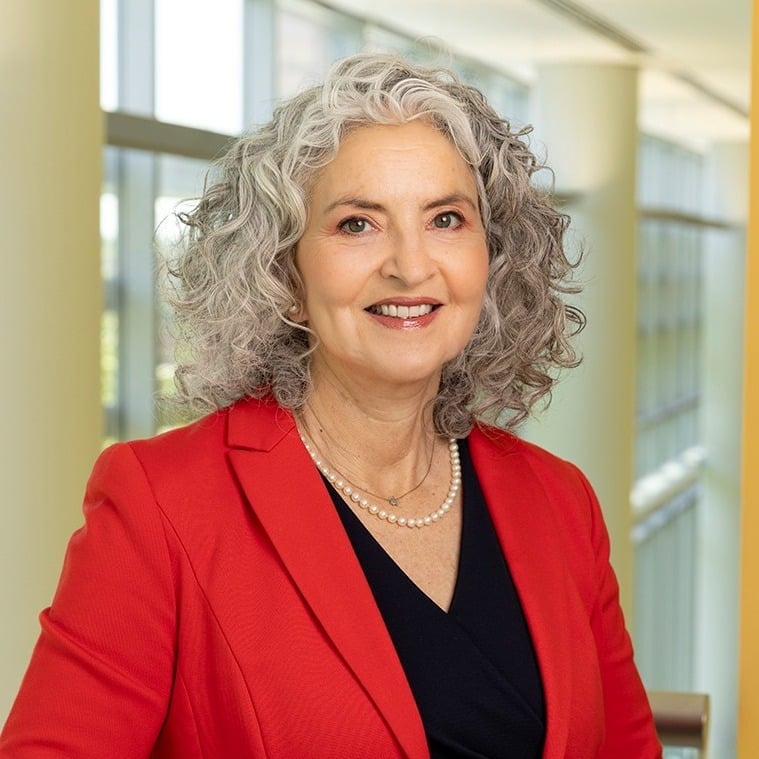
By Evita Limon-Rocha, MD, MPH
Working as a psychiatrist is one of the most rewarding parts of my life. I would not trade being a physician for anything, and I know most of my colleagues throughout Kaiser Permanente feel the same. Still, even the most fulfilling careers bring challenges that require solutions, and being a physician is no exception.
For example, physicians and other clinical staff can struggle with burnout that can affect how they show up for patients and colleagues. As awareness of burnout has increased across the sector, leaders tested and introduced strategies, support structures, and technology-powered solutions to alleviate some of the drivers of burnout. It hasn’t solved the problem completely, but overall rates of burnout are decreasing across most specialties.
Now, an increasingly common challenge among physicians is taking root: isolation and loneliness.
Why physicians feel isolated
There have been broad increases in loneliness and isolation throughout the United States. The U.S. Surgeon General declared it an epidemic only a few years ago. More remote rework, fewer face-to-face interactions with colleagues and friends, and a decline in social participation have made people lonelier than ever. And because loneliness and isolation can cause or worsen health challenges like anxiety and heart disease, it truly is an epidemic.
Physicians aren’t exempt from this. In fact, aspects of the way we practice medicine in the modern world can exacerbate conditions conducive to loneliness. For example, telehealth made it easier for many patients to access care, but it potentially leads to fewer in-person connections. Digital messaging systems for both patient-physician and care team communication has limited face time for all. Administrative tasks mean physicians spend more and more time behind a computer screen. Outside of work, maintaining an active social life can feel challenging when coupled with long working days and family or other responsibilities.
The moral injury physicians face daily, as trust in science diminishes, federal policies target how and to whom care can be delivered, and the impossible pace we have a recipe for a physician workforce that is more likely to feel isolated. We can’t afford that, especially since social isolation is a known factor driving young physicians out of health care.
Physician loneliness and retention
Many communities around the country already face a shortage of physicians. While a challenge everywhere, isolation and loneliness could pose a particular threat to efforts to rebuild health care capacity in rural areas where people are generally older, sicker, and need more specialized care. Asking physicians to relocate to rural towns where they don’t already have a network is not a small request. Getting them to stay might just depend on the sense of community they feel once they’ve arrived.
Addressing physician loneliness
In some ways, technology has separated us, but it also has the potential to bring us together. There are strategies hospitals and health systems can use to create connection and belonging, all with a common theme: Make connection the easier choice.
Kaiser Permanente’s ambient scribe is one example. By listening in on appointments with the patient’s consent, this technology allows physicians to focus wholly on the person in front of them during appointments, rather than on clinical notes. It also returns time at the end of the day or after hours that might otherwise be spent on notetaking.
Related physician loneliness podcast: Physician loneliness: Why connection matters in medicine
Another example of intentional connection is how we interact with colleagues in the workplace. After the pandemic, the pendulum swung far in the direction of virtual meetings, but there’s value in being purposeful about meeting in person again. It can be tempting to choose a video call or an email because it is convenient. But the value of connection created by in-person events can’t be overstated. Whether through large group conferences — like those Kaiser Permanente hosts — or weekly staff meetings, events that bring people together will always be worth the effort.
Lastly, it’s important to remember that we have power as individuals to find the connection we need. Sometimes it’s as simple as picking up the phone to call a colleague or walking down the hall to have a conversation, even when we think an email would suffice. The convenience technology offers is often a huge benefit, but it shouldn’t come at the cost of connection.
Leading a culture of connection
Physician leaders play a key role in encouraging connection. We must be examples our teams can look to for guidance. Even making small changes can begin shaping a culture that prioritizes connection. Loneliness is something we all experience, and something that we all have the power to overcome.
Overall, we are happier, healthier, and we work more effectively when we feel connected to the individuals that we are working with and the work, we are contributing to.
Evita Limon-Rocha, MD, MPH, a psychiatrist with the Southern California Permanente Medical Group.
The post The power of connection: Addressing physician loneliness appeared first on Permanente Medicine.
Apa Reaksi Anda?
 Suka
0
 Kurang Suka
0
 Setuju
0
 Tidak Setuju
0
 Bagus
0
 Berguna
0
 Hebat
0