



















































%20and%20Batch%20Production%20Records%20(BPR).png)

















Does dentistry have a problem with perfectionism?

Robbie Stewart explains how perfectionism is holding back talented clinicians and highlights the importance of confidence for both dental professionals and the patients they treat.
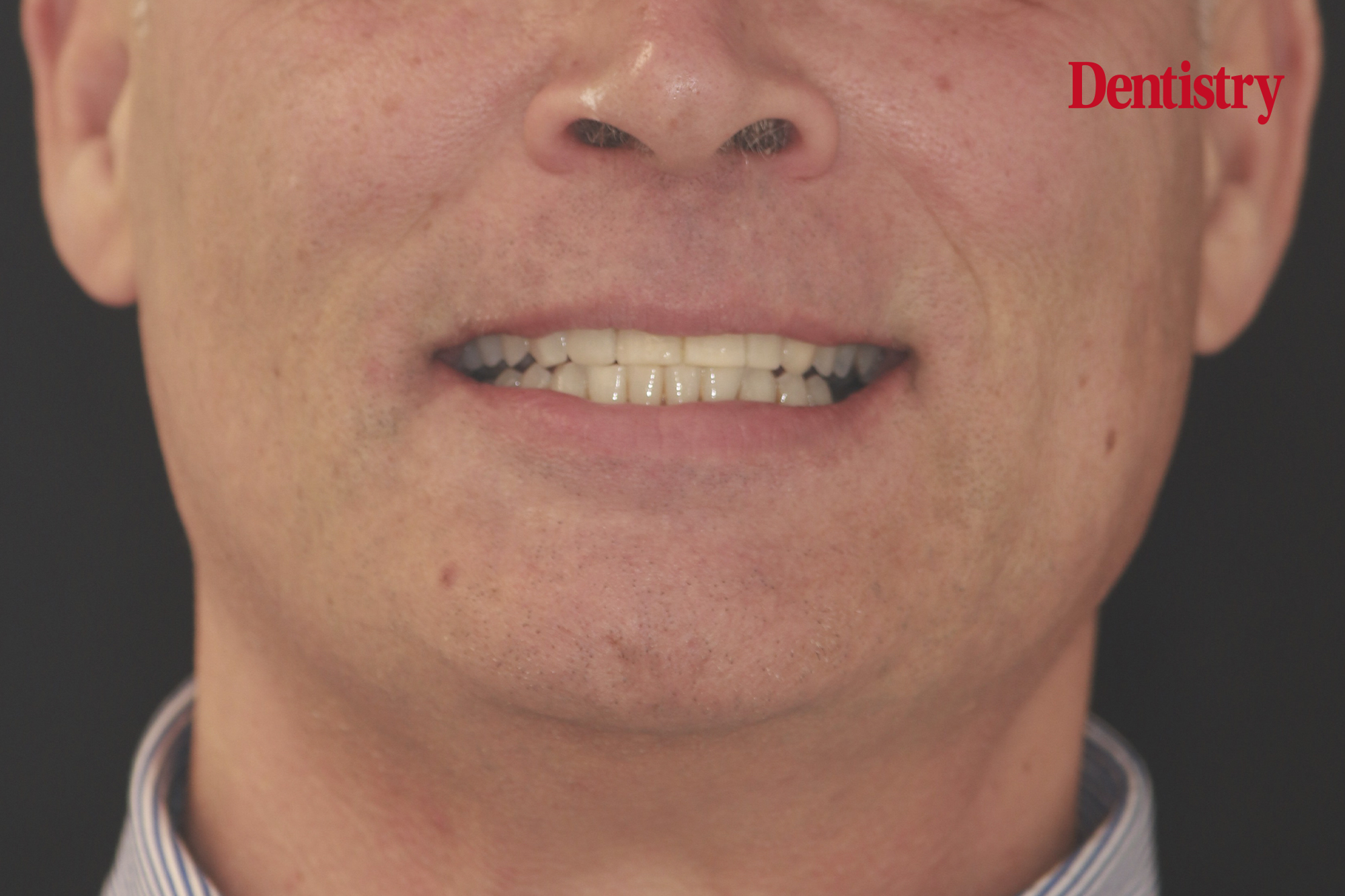
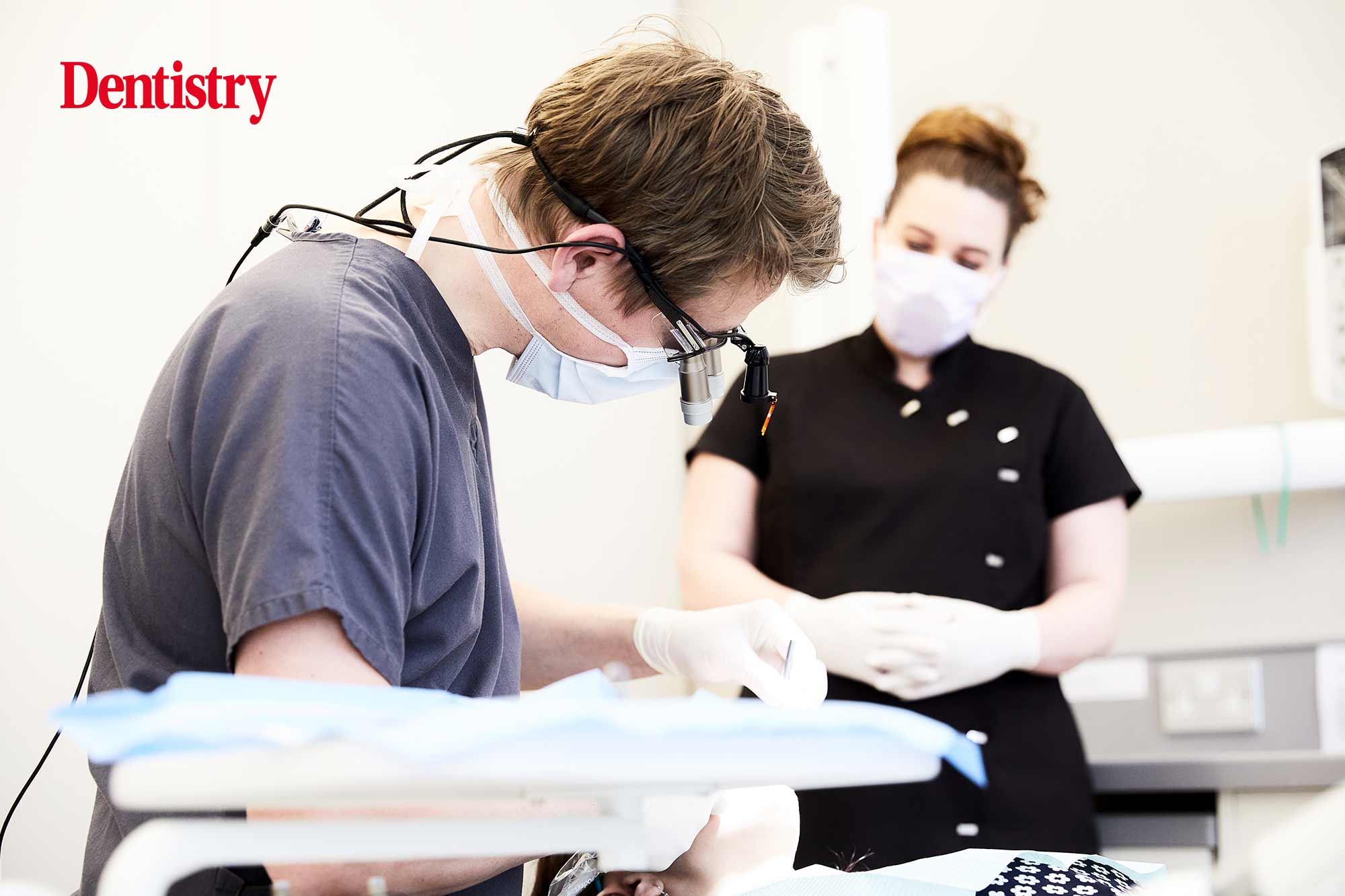
A conversation I had recently with a fellow clinician has stayed with me. We were reviewing composite bonding completed at another practice. The clinician was dismissive – critical of its quality and quick to suggest it needed replacing.
My perspective was different. The work was not flawless, but it was functional, the patient had accepted it, and it appeared appropriate for that clinician’s stage of development. When I raised this, the response was: ‘If I couldn’t do it to the standard I wanted, I simply wouldn’t do it.’
That statement got me thinking. Because I believe that mindset – however well-intentioned – is doing real harm to our profession.
Perfectionism as a barrier, not a standard
There is an important distinction between striving for excellence and demanding perfection before you begin. The former drives growth. The latter prevents it. When clinicians refuse to offer treatments until they feel they have mastered them, the result is not a higher standard of care – it is a reduction in access to treatment and a stalling of professional development.
I have spoken with talented dentists, dental therapists, and hygienists who hold back from offering certain treatments not because they lack the clinical foundation, but because they do not feel ‘good enough’ yet. They are waiting for a level of confidence that can only come from doing the very thing they are avoiding. This reluctance does not only affect the clinician – it affects the patient who does not receive treatment they need from someone perfectly capable of delivering it to an appropriate standard.
The role of social media
The cases shared online are, understandably, the best ones. The flawless composites, the striking transformations, the technically demanding cases executed with apparent ease. What we rarely see is the learning curve – the early work, the cases that did not go as planned, the mistakes that shaped the clinician we are looking at today. The result is that clinicians at every stage of their career are comparing their reality to everyone else’s highlight reel, which distorts expectations and fuels impostor syndrome across the profession.
Senior clinicians have a particular responsibility here. The work they share is the product of years of practice and countless corrected mistakes. If that journey is never made visible, newer clinicians are left with the impression that excellence is innate or arrived at effortlessly. Neither is true.
The Sainsbury’s principle
When you do your weekly shop, you do not expect the food to be Michelin-starred. You expect good quality at a fair price. Sainsbury’s does not apologise for not being a fine dining restaurant. The same principle applies in dentistry. If a clinician is transparent about their experience, pricing appropriately, and delivering clinically sound treatment, that is a legitimate and ethical transaction. Perfection is not the standard we are contractually or ethically obliged to meet. Competence, honesty, and appropriate care are. Refusing to offer treatment because you cannot guarantee a perfect outcome is not protecting the patient – in most cases, it is protecting yourself from the discomfort of imperfection.
Where real learning happens
I recently ran my own Excellence in Exams, Treatment Planning, and Digital Dentistry course for dental therapists and was struck by something unexpected. The delegates were knowledgeable clinicians who could articulate their reasoning clearly – yet when asked to make autonomous clinical decisions, many hesitated. There was a persistent fear of missing something.
Many described feeling as though they should not be doing work that sits squarely within their scope, despite performing similar tasks every single day. That gap between what they could do and what they believed they were permitted to do was rooted entirely in perfectionism. Structured learning environments like this exist precisely to close that gap – to give clinicians the space to try, reflect, and build genuine confidence.
Professional groups and mentorship communities serve the same function. Communities such as The Modern Therapist by Cat Edney, DRMR’s Mentorship Programme by Dr Manrina Rhode, Simplifii by Dr Albert Gajdos, and Avant Garde by Dr Robbie Hughes are spaces where clinicians (me included) share work at all stages of development and receive honest, constructive feedback. These communities allow the kind of professional reflection that a public Instagram feed cannot, and they deserve far greater recognition as a serious component of continuing professional development.
A call to the profession
To those who are experienced and established: be more open about how you got to where you are. Share the early cases. Talk about the treatments that did not go as planned. Show the next generation that clinical excellence is not a straight line.
And to those earlier in their careers: stop waiting until you are perfect before you begin. Price your work honestly, be transparent with your patients, work within your competence, and then push that competence incrementally. That is how skills are built and how confidence is earned.
Perfectionism dressed up as standards is still just fear. And fear, ultimately, serves no one – not the clinician, and not the patient.
Follow Dentistry.co.uk on Instagram to keep up with all the latest dental news and trends.
Apa Reaksi Anda?
 Suka
0
Suka
0
 Kurang Suka
0
Kurang Suka
0
 Setuju
0
Setuju
0
 Tidak Setuju
0
Tidak Setuju
0
 Bagus
0
Bagus
0
 Berguna
0
Berguna
0
 Hebat
0
Hebat
0