





































%20and%20Batch%20Production%20Records%20(BPR).png)
















Connecting hormonal and oral health
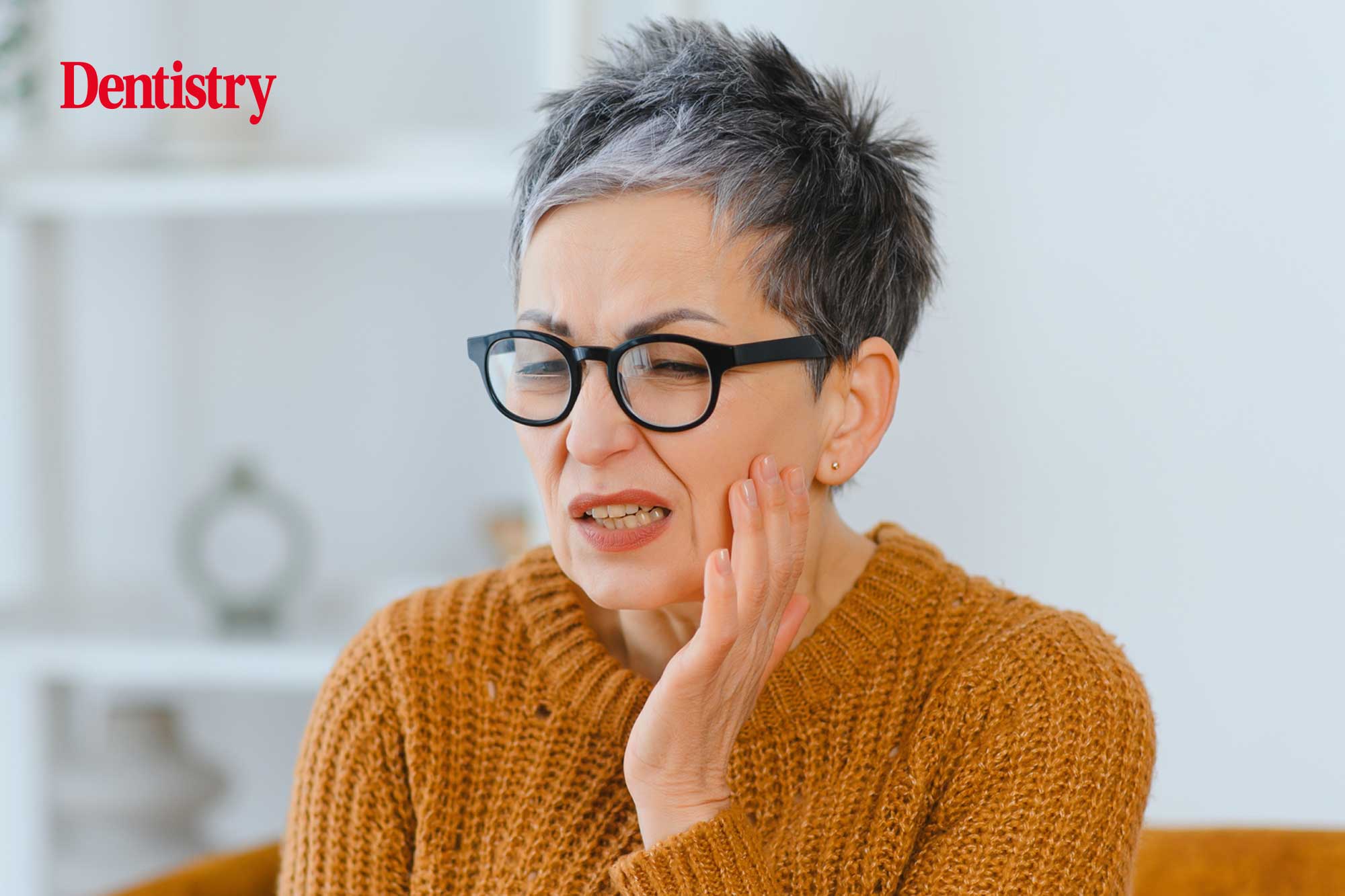
Ahead of her keynote at the GBT Summit London 2026, leading women’s health expert Dr Nighat Arif joins Celso Da Costa to discuss why hormonal health should be part of every oral health conversation.
Celso Da Costa (CD): Public awareness of women’s health, particularly menopause, has grown significantly in recent years. Why do you think oral health has remained relatively absent from that conversation until now?
Nighat Arif (NA): Oral health has been missing from the menopause conversation largely because it has sat in the ‘too small to matter’ category for years, even though the evidence says otherwise. Menopause affects oestrogen levels, which can change saliva flow, gum health, taste and bone density, but those symptoms are often brushed off as separate dental issues rather than part of the same hormonal picture.
There’s also a visibility problem. Menopause itself was under-discussed for a long time, so anything linked to it, especially something perceived to be as ordinary as dry mouth or bleeding gums, was even less likely to be named, researched or talked about in public. In practice, that means many women notice the symptoms before anyone connects the dots.
Another reason is structural: dentistry and women’s health have traditionally operated in separate silos. That means a patient might hear about menopause from one clinician and oral symptoms from another, without anyone joining the two together.
The conversation is changing because patients are demanding more complete, better joined-up care, and the evidence is catching up. We’re finally starting to treat oral health as part of whole-body midlife health, not an unrelated side note.
CD: What are some of the biggest misconceptions about the relationship between hormonal health and oral health, both among patients and healthcare professionals?
NA: A big misconception is that hormones only affect reproductive symptoms, not the mouth. In reality, fluctuations in oestrogen and progesterone can change gum sensitivity, saliva flow and inflammation, so bleeding gums, dry mouth or a burning sensation can be hormonal, not just ‘bad brushing’.
Another myth is that oral health is separate from whole-body health. That’s not true: pregnancy, breastfeeding, menopause and other hormonal shifts can influence the oral microbiome, periodontal disease risk and even tooth loss risk, especially where gum disease is already present.
Among patients, a common belief is that if your dentist hasn’t mentioned hormones, they can’t be relevant. Among health professionals, the bigger gap is under-recognition, with symptoms often treated in isolation rather than being linked to midlife hormonal change.
There’s also a dangerous oversimplification: ‘it’s just ageing’. Age matters, but hormones can be a distinct driver, especially when symptoms appear despite good oral hygiene. That’s why this conversation matters now; it helps women get the right support sooner, not after damage has built up.
CD: Which oral changes associated with menopause, as well as other hormonal transitions, do you believe are most overlooked in dental practice, and what should dental professionals be looking out for?
NA: The most overlooked changes are dry mouth, burning mouth, gum inflammation, altered taste and subtle bone loss around the teeth. These often get written off as stress, ageing, or ‘just sensitivity’, when they may actually reflect menopause or other hormonal shifts.
Dental professionals should be looking for women with new or worsening bleeding gums, recurrent mouth discomfort, increased decay risk and signs of periodontal breakdown despite good hygiene.
It’s also worth asking about life stage, perimenopause, menopause, postpartum, breastfeeding and even conditions such as polyendocrine metabolic ovarian syndrome (PMOS), endometriosis, adenomyosis and uterine fibroids, because hormones can change oral tissues long before a patient makes the connection.
The key is not to treat the mouth in isolation. If the pattern doesn’t fit the usual oral picture, hormones should be part of the conversation.
CD: If every dentist, dental hygienist and dental therapist made one change to the way they approached conversations around hormonal health, what would you hope that change would be?
NA: I’d hope they’d start asking, not assuming. One simple, routine question about hormonal life stage, symptoms and recent changes could open the door to earlier recognition, better tailoring of care and far fewer women being told their symptoms are ‘just normal’ or ‘just ageing’.
That small shift would make oral health feel connected to whole-body health, which, for hormonal changes, it absolutely is.
CD: What do you think is the biggest conversation around hormones and oral health that dentistry has yet to have, and what are you most looking forward to discussing at the GBT Summit 2026?
NA: The biggest conversation dentistry and medical colleagues still need to have is this: hormones are not a side note; they are a clinical context.
I’m most looking forward to seeing oral health discussed as part of women’s whole-body health, where dry mouth, bleeding gums and tissue changes are seen as early warning signs, not isolated complaints across the woman’s whole lifespan.
That shift could change how we screen, educate and care, especially at moments like menopause, pregnancy and postpartum, as well as lifelong gynaecological conditions such as PMOS, endometriosis, adenomyosis and uterine fibroids.
Now is the time to connect the dots between hormones and the mouth, so we can stop normalising symptoms that deserve proper attention.
Continue the conversation at the GBT Summit London 2026
The GBT Summit London 2026 brings together an outstanding speaker line-up, including Dr Nighat Arif on hormones and oral health, Ben Tighe and Claire Berry on menopause in practice, Dr Payvand Menhadji on implant longevity, Dr Devan Raindi on MINST and biofilm management, Dr Simon Chard and Dr Christian Leonhart on AI in dentistry, and Celso Da Costa on the business of prevention.
Taking place on Friday 2 October at 30 Euston Square, London, the event offers a full day of practical, evidence-based education. Book your place now.
This article is sponsored by EMS.
Apa Reaksi Anda?
 Suka
0
Suka
0
 Kurang Suka
0
Kurang Suka
0
 Setuju
0
Setuju
0
 Tidak Setuju
0
Tidak Setuju
0
 Bagus
0
Bagus
0
 Berguna
0
Berguna
0
 Hebat
0
Hebat
0