































































Alamar, Nightingale Health Team up on UK Biobank Neurodegeneration Protein Study
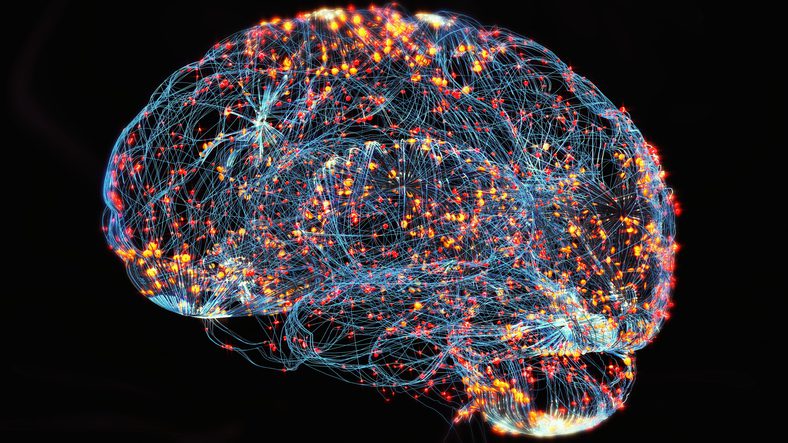
Many of the blood proteins that could flag neurodegeneration are so scarce that standard assays barely register them. A new UK Biobank study will test whether an ultrasensitive platform can pick them up across 80,000 blood samples, potentially years before symptoms appear.
Alamar Biosciences and Nightingale Health announced the UK Biobank Proteomics for Risk Identification and Signatures of brain health in Midlife (UKB-PRISM) study on November 2, 2026. Nightingale will run the measurements in its own laboratories using Alamar’s NULISA platform, quantifying hundreds of circulating proteins in samples from UK Biobank participants. The Michael J. Fox Foundation for Parkinson’s Research, Alzheimer’s Research UK, and LifeArc are funding the work, which is expected to be completed by the end of 2027.
NULISA, short for NUcleic acid Linked Immuno-Sandwich Assay, pairs antibodies tagged with DNA oligonucleotides to capture a target protein. A capture-and-release process washes away background signal, and the DNA reporters are then read out by next-generation sequencing.
The timing reflects a growing view that the biology behind Alzheimer’s and Parkinson’s disease begins years before diagnosis. The companies noted that Alzheimer’s and other dementias affect more than 55 million people worldwide and Parkinson’s affects more than 12 million, with both projected to rise sharply by 2050.
“Working with Nightingale and UK Biobank, we can now measure those signals across tens of thousands of people, years before symptoms appear, and give researchers everywhere a new way to ask when and why these diseases begin,” said Yuling Luo, PhD, Alamar’s founder, CEO, and chair.
UK Biobank’s deputy chief scientist, Adam Lewandowski, PhD, said proteins help repair tissue, regulate inflammation, and support countless bodily functions, “yet we still know relatively little about how they work together to influence brain health.”
Samantha Hutten, PhD, principal biomarker scientist, translational research at the Michael J. Fox Foundation, said the data could help “evaluate potential biomarkers and inform future therapeutic research.” LifeArc CEO Sam Barrell said the resource could also help lay “the groundwork for more accurate diagnosis” of rare dementias, which can be difficult to diagnose because their symptoms overlap with other conditions.
After the study is completed, the full dataset will be made available to approved researchers worldwide through the UK Biobank Research Analysis Platform.
The post Alamar, Nightingale Health Team up on UK Biobank Neurodegeneration Protein Study appeared first on GEN - Genetic Engineering and Biotechnology News.
Apa Reaksi Anda?
 Suka
0
 Kurang Suka
0
 Setuju
0
 Tidak Setuju
0
 Bagus
0
 Berguna
0
 Hebat
0