





















































%20and%20Batch%20Production%20Records%20(BPR).png)
















Hantavirus One-Shot mRNA Vaccine Fully Protects in Syrian Hamster Model
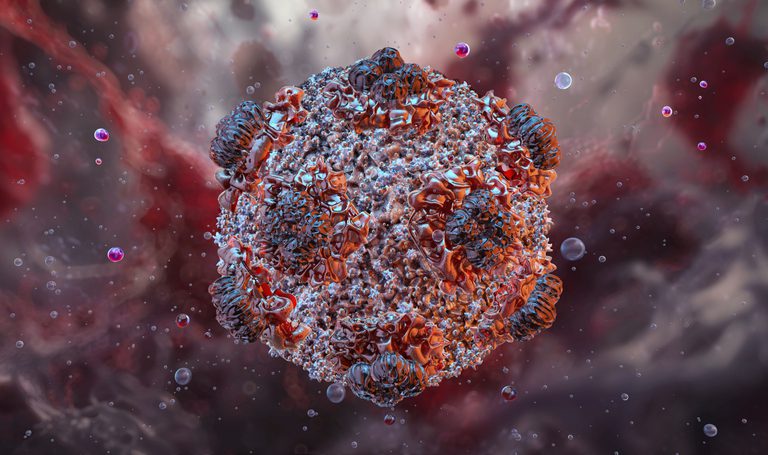
Last month, the Andes virus outbreak on a Dutch cruise ship departing from Argentina brought a transmission context for hantavirus, that was previously unprecedented, to the forefront. The Andes virus is the only member of the hantavirus family that is capable of efficient person-to-person spread through close contact with respiratory secretions. Other hantaviruses are typically spread through contact with infected rodents, making the Andes virus a much more significant public health threat.
While at sea, the outbreak spread among passengers and crew, infecting 13 people and killing three. The cruise passengers have since returned to their home countries, 23 in total. Because a person can carry the virus for weeks before showing any symptoms, health agencies are facing a complex challenge of identifying everyone who was exposed. There are currently no vaccines or preventive treatments approved for the virus; this travel-related outbreak brought the need for vaccine development to the forefront.
Researchers at The University of Texas Medical Branch (UTMB) had previously developed and tested two mRNA vaccines against intramuscular Andes virus challenge in golden Syrian hamsters (“1-methylpseudouridine-modified or non-modified mRNA modalities encoding the envelope glycoproteins, Gn and Gc, in a single open reading frame.”)
When tested in the Syrian hamster model, both mRNA vaccines were efficacious in hamsters using a two-dose regimen. Recognizing that a fast-moving international outbreak doesn’t allow time for patients to wait weeks between shots, the team retested the vaccines to determine whether a single dose would be effective.
Now, a new report shares the finding that the vaccine provided full protection against the Andes hantavirus after a single dose.
This work is published in The Lancet in the paper, “Single-dose mRNA vaccines against Andes hantavirus.”
Alexander Bukreyev, PhD, head of the Laboratory of Viral Pathogenesis and Vaccine Development at UTMB, said that the group is working to fast-track these single-dose vaccines into human clinical trials.
The results exceeded expectations. When testing the vaccines in an animal model that mimics human disease, the scientists found that a single shot provided 100% protection against a lethal dose of the virus. Even when the researchers significantly lowered the dosage to a fraction of the original amount, the results remained definitive.
“Every vaccinated animal remained completely healthy and showed no symptoms or weight loss,” said Michelle Meyer, PhD, senior scientist in the Bukreyev Laboratory. “When we looked at the tissues from the vaccinated animals a month after infection, the virus was entirely gone. The vaccines triggered a powerful immune response, creating protective antibodies in as little as 14 days.”
Because the Andes virus can take a relatively long time to make a human severely ill, these fast-acting vaccines could serve a dual purpose, possibly functioning as an emergency tool for people who have already been exposed.
“If given quickly to high-risk contacts during an outbreak, such as the Andes virus situation on the cruise ship, the vaccines could theoretically jump-start their immune systems fast enough to intercept the virus—stopping it from replicating and preventing them from getting sick or spreading it further,” Bukreyev said.
The post Hantavirus One-Shot mRNA Vaccine Fully Protects in Syrian Hamster Model appeared first on GEN - Genetic Engineering and Biotechnology News.
Apa Reaksi Anda?
 Suka
0
Suka
0
 Kurang Suka
0
Kurang Suka
0
 Setuju
0
Setuju
0
 Tidak Setuju
0
Tidak Setuju
0
 Bagus
0
Bagus
0
 Berguna
0
Berguna
0
 Hebat
0
Hebat
0