





















































Introducing the ‘scan every patient’ protocol
How one dental practice is driving case acceptance and new workflows by starting every patient appointment with a digital intraoral scan.
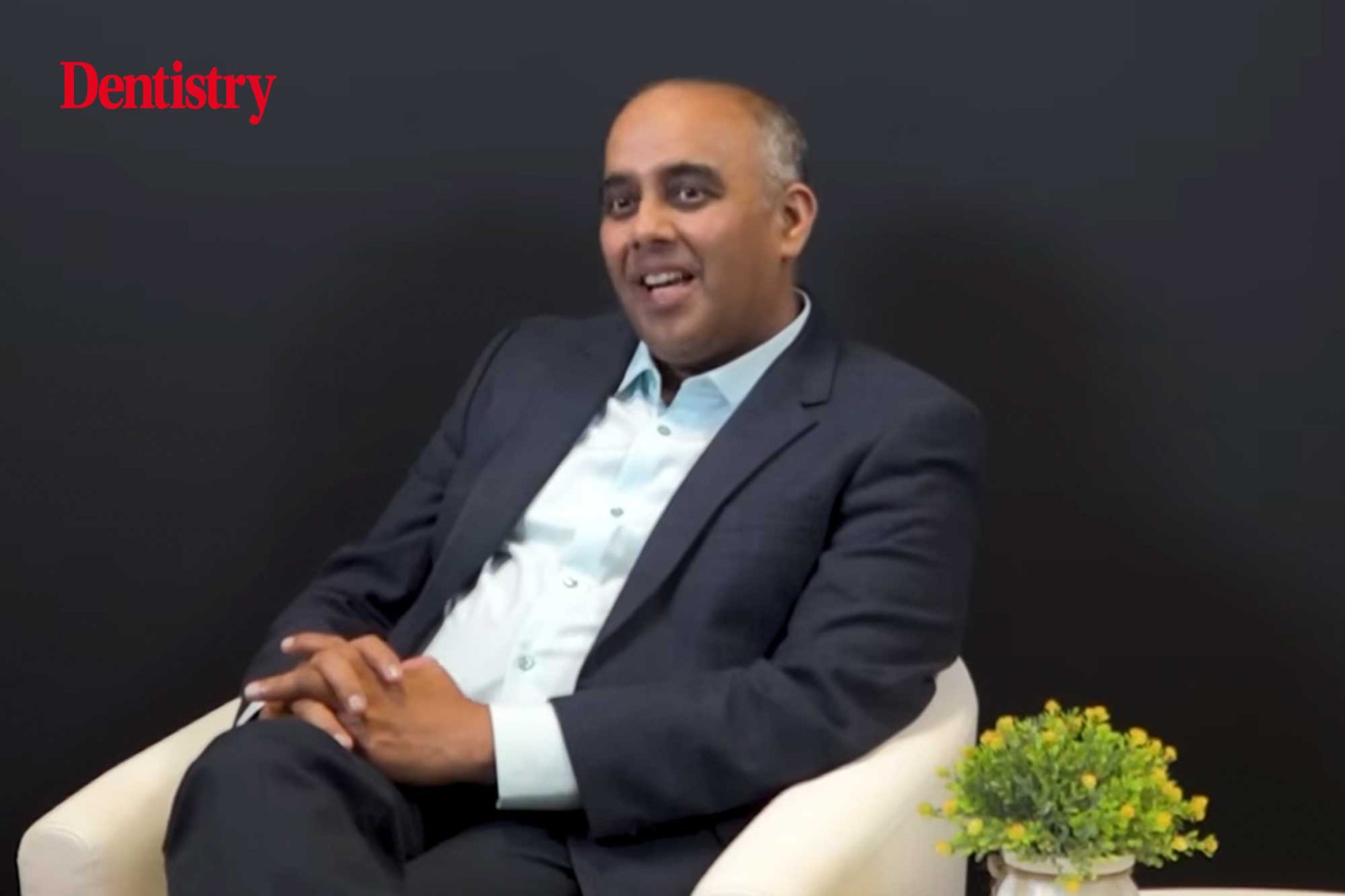
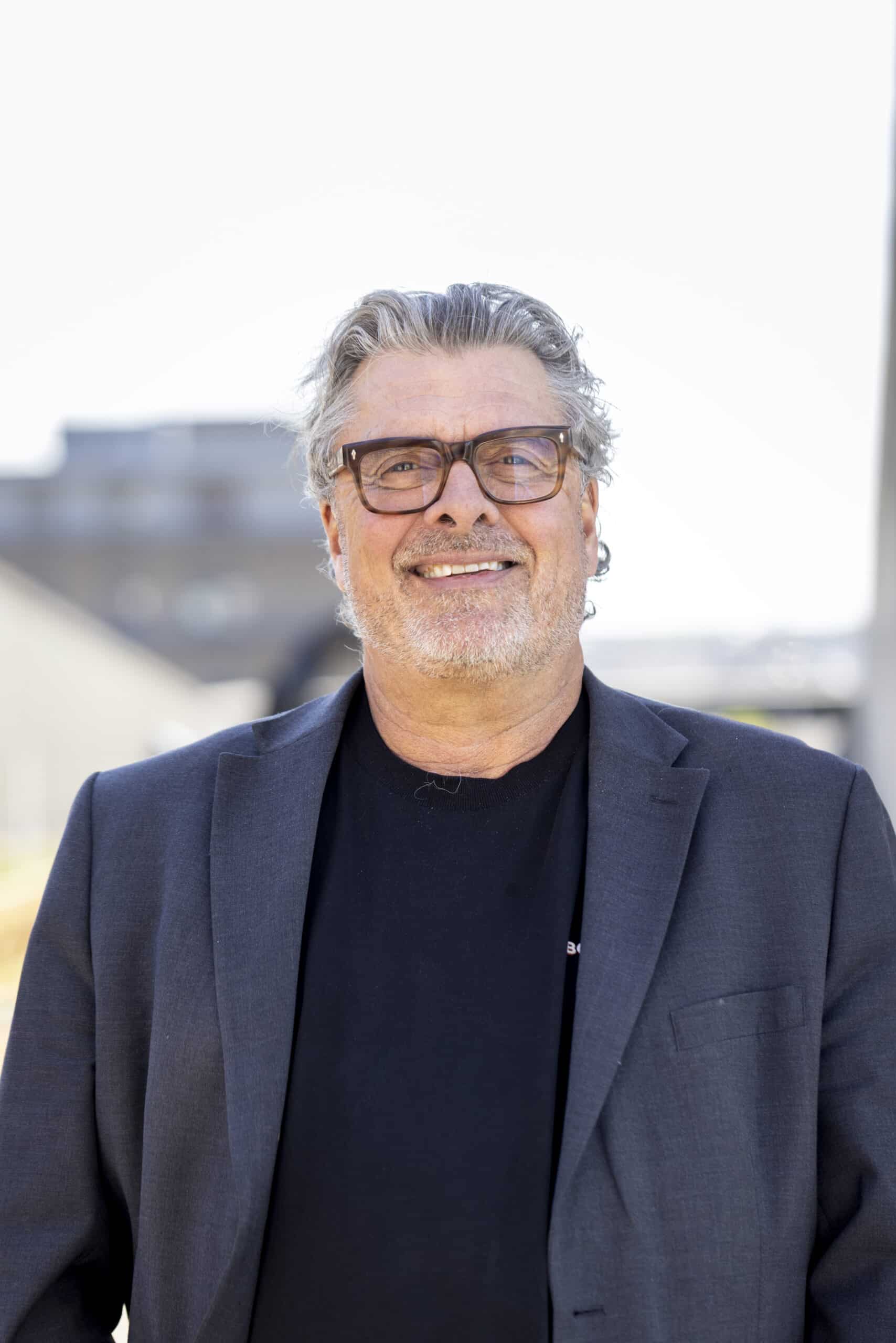
Dr Milad Shadrooh, aka The Singing Dentist, is undergoing a practice transformation by implementing a scan every patient protocol (SEP). The evolution is paying off with progress across multiple areas of the practice, from enhanced patient communication and streamlined clinic workflows to greater practitioner and team satisfaction, and ultimately, stronger practice income.
Dr Shadrooh explains: ‘I have been practising since 2004, and had previously used other intraoral scanners. Our switch to the iTero scanner happened with the launch of Invisalign Smile Architect software for ortho-restorative planning. I was involved with piloting the digital smile design software and keen to put it through its paces. Align had made significant investment in research and development, and I could see the scanning technology was evolving at a rate of knots – so it was an easy decision to transition to the iTero scanner.’
The ‘scan every patient’ protocol
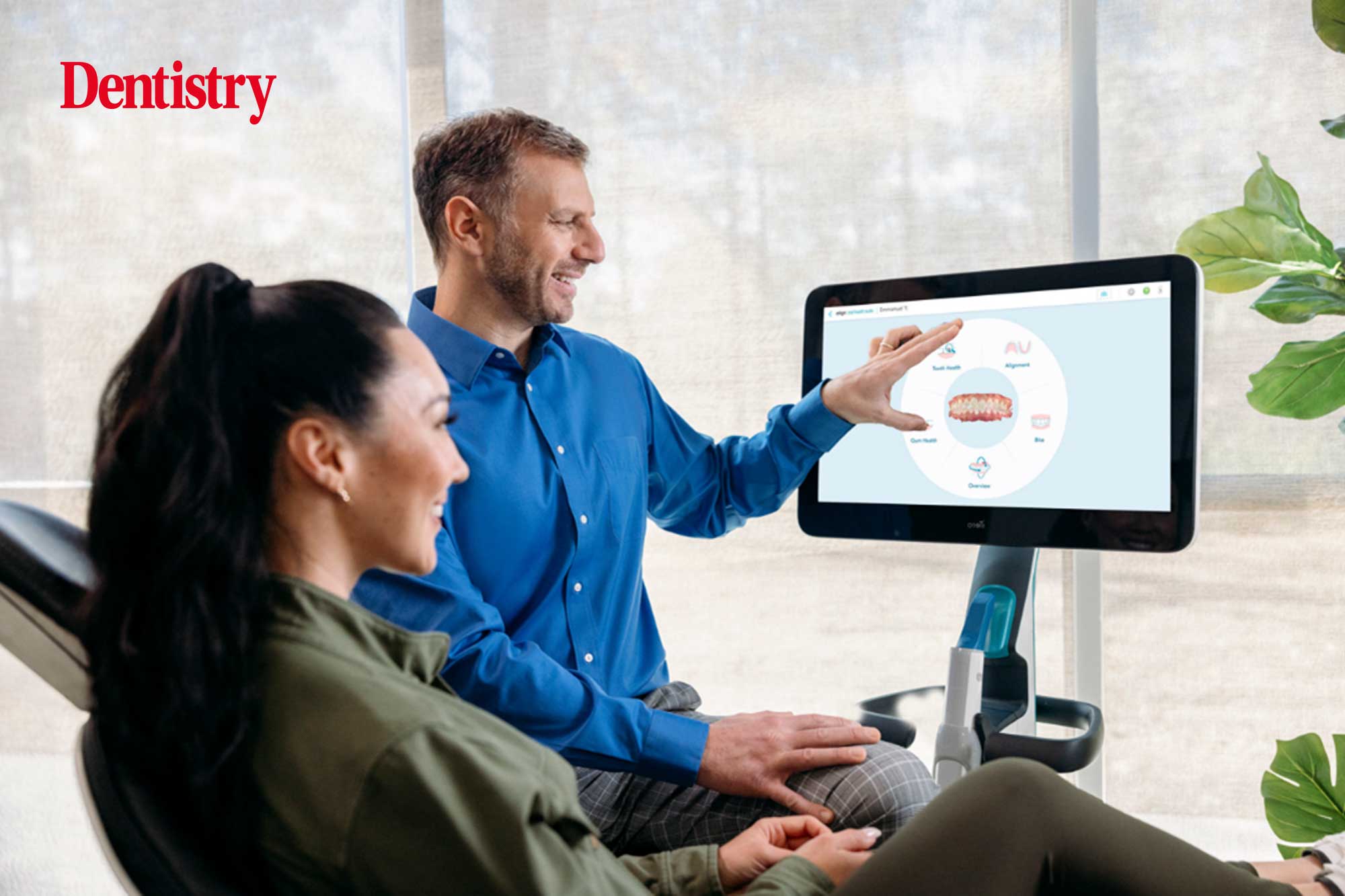
Having heard other practitioners extol the benefits of scanning every patient, Dr Shadrooh adopted this workflow protocol. ‘When you scan patients immediately to see their dental issues for themselves, this allows for better conversations – seeing is very much believing. For me, chatting to patients comes naturally, but for less experienced associates initiating discussions can be challenging. The iTero scanner has changed that, giving them a starting point for every conversation because patients can see their challenges for themselves – it prompts them to ask questions.’
His associate Dr Ploy Intawong was first to embrace the ‘scan every patient’ protocol. She particularly likes the fact that ‘scanning patients enables an element of ‘co-diagnosis’; showing them their scans on a screen and allowing them to ‘discover’ their oral health issues, ask questions and engage in conversations about potential treatment options.
‘Scanned patients say: “Wow, this is cool. What is this technology?” says Dr Shadrooh.
He leverages this ‘wow’ factor, telling them how much the scanner costs, which he believes demonstrates his investment in their care. He initiates conversation showing them the results of the iTero NIRI technology (near infra-red imaging) alongside X-rays to help them understand their oral health, after which many of the tools in the Align Oral Health Suite are utilised as the diagnosis and planning process progresses. ‘It’s so impressive being able to show patients a 3D image of their teeth. I think all clinics need to have scanners now.’
Treatment uptake – examining the evidence
As a result of the new Scan Every Patient (SEP) protocol, case acceptance has risen, leading to a positive financial impact for both associates and practice. Analysing the data shows a marked increase in both the number and value of treatments since the practice started scanning every patient.
The practice reviewed Dr Intawong’s earnings in the seven months before implementing the SEP protocol and compared them with the seven months after its introduction. By averaging Dr Intawong’s monthly earnings before and after implementing the SEP protocol, they observed a 35% increase in her earnings in the seven months following the introduction of the ‘scan every patient’ protocol.
The practice compared Dr Intawong’s earnings with those of other associates who didn’t scan every patient. In the seven months before implementing the SEP protocol, Dr Intawong earned, on average, 20% less than Associate one and 18% less than Associate two. In the seven months following the introduction of the ‘scan every patient’ protocol, Dr Intawong’s earnings increased significantly, earning 65% more than Associate one and 24% more than Associate two.
The practice analysed Dr Intawong’s earnings with one specific patient. She examined the patient and identified the need for a full mouth rehabilitation. The options were explained and the patient was presented with a treatment plan worth £14,000. The patient did not proceed at that time. The next examination took place six months later, which was after the implementation of the SEP protocol. Dr Intawong scanned the patient’s teeth and revisited the same treatment plan. This time, using the scan to educate and show the patient their issues, the patient decided to proceed with the £14,000 treatment plan, despite no changes in their personal circumstances.
Dr Shadrooh comments on statistic 3: ‘Of course there may have been other factors which made the patient convert 6 months later, but scanning was a major contributory factor without question.
He adds: ‘I was more than pleasantly surprised once I reviewed the figures and I can confidently say the “scan every patient protocol” absolutely works! So much so, I would like to name it “the SEP protocol” – scan every patient… let’s start a movement!’
Initial investment
Some principals may hesitate at the initial expense of buying an iTero scanner, but Dr Shadrooh points out: ‘The figures after adopting the ‘SEP Protocol’ add up and speak for themselves. Not only is the scanner a tax-deductible investment, but the cost can also be spread over time, and it will more than pay for itself – particularly if you are using it for big smile makeovers, such as implant and Invisalign treatments.’
Such has been the success of the SEP protocol, the practice has introduced another iTero scanner, allowing all associates to scan without having to move one device between rooms. Says Dr. Shadrooh: ‘Having a scan allows our dentists to build up a rapport and chat with the patient right from the start, as opposed to immediately sticking a mirror in their mouth. You get your nurses to do the scanning, so you can engage in informed conversation. We want our nurses to feel more empowered and part of the process. Medical surgeons don’t start and finish a whole operation, they have a whole team approach, so why not bring this to dentistry?’
A whole team approach
Dr Intawong adds: ‘Once patients see the scan results, it is a complete game changer. Seeing their own mouth in 3D shifts the whole tone of the appointment – they start asking questions, and suddenly it became a much more collaborative experience. The scanner has completely transformed how patients engage. When they see a 3D image of their own mouth – especially side-by-side with an older scan – it shifts the entire conversation. They become more aware of issues like wear, crowding, gum recession, and cracked or broken restorations.
‘When shown, they can actually see the cracks which have formed around their old amalgam fillings, and it makes explaining the risks so much easier. It’s no longer just me telling them – they’re seeing it for themselves, unprompted. It takes the pressure off me having to convince them – they get it.
‘It’s opened the door to more holistic conversations, especially with patients with worn dentition. The scan helps them understand that it’s not just about fixing one broken tooth with a filling. We can zoom out and look at the bigger picture – why that tooth broke, how their bite is functioning, and what long-term solutions might be more appropriate. They start to understand how everything works together, and that leads to much more comprehensive and meaningful treatment planning.
‘Because the scan gives us something visual and interactive to talk through, it’s helped build rapport much quicker. Patients feel listened to, more involved, and – most importantly – they trust the process. The whole appointment becomes more collaborative, and that really changes how treatment is received.’
Training in the scan every patient protocol
Training and practice is key to successfully scanning every patient. Dr Shadrooh implemented both in-house and iTero-led training allowing team members to become familiar with the technology. He acknowledges: ‘There’s a learning curve for those new to scanning and Principals need to learn to trust and relinquish some control, but in the long run it will make everything much smoother because it empowers everyone, and you can focus on what you do best.’
‘You need to ensure you have enough time to implement this. If that means adding an extra five minutes to an appointment, do it, because that extra time will pay dividends. Inform patients about their new appointment experience beforehand so that they know what to expect and why that extra five minutes will make all the difference.’
Teamwork is crucial and practice makes perfect
Dr Intawong adds: ‘My nurse and I completed a patient pathway course which made a huge difference. We still ran late when we first started scanning every patient, however, after a few weeks performing multiple scans, everything started to flow and we got on track with timings. It came down to practice and repetition.
‘The support from my nurse was a complete game-changer. Once we found our rhythm, she instinctively knew when to set up, how to position the scanner, and how to keep things moving without me needing to say a word. It stopped being something I had to manage on my own and became a proper team workflow. The more we did it, the faster and more seamless it became.
‘Having a principal who was fully behind the process made a big difference. There was no pressure to rush or skip steps – it was clear this was about long-term value for the patient and delivering the kind of care we believe in practice-wide.’
‘The SEP has made my job so much easier – I honestly couldn’t work without an iTero scanner now,’ Dr Intawong concludes. Dr Shadrooh wholeheartedly concurs. In fact, such has been the success of the scan every patient protocol the practice has invested in a second iTero scanner.
For more information about the iTero Digital Scanner please visit www.itero.com.
This article is sponsored by Align Technology.
Apa Reaksi Anda?
 Suka
0
 Kurang Suka
0
 Setuju
0
 Tidak Setuju
0
 Bagus
0
 Berguna
0
 Hebat
0