




























































One Record, From Factory Floor to Patient

A drug’s life story is usually told in pieces. How a batch was made lives in one set of manufacturing systems. What happens to it afterward—where it shipped, how warm it got, how long it sat—lives in another. When something goes wrong downstream, quality teams must stitch that history back together before they can decide what to do, and the delay can cost product, time, and confidence in supply.
San Jose–based ParkourSC says it acquired Quartic to close that gap. The deal combines ParkourSC’s clinical and commercial supply-chain AI with Quartic’s manufacturing AI on a single platform aimed at regulated life sciences. The company says the result is one continuous record that can predict which batches, lots, and shipments are at risk, then recommend a response.
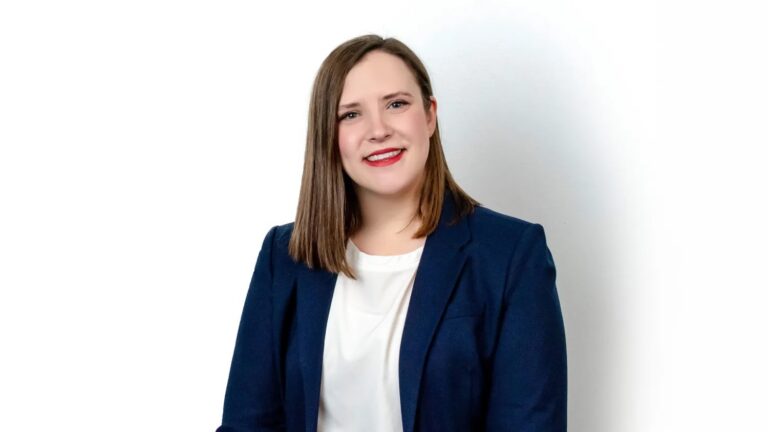
For Mahesh Veerina, president and CEO of ParkourSC, the move was less about reaching manufacturing data than about making sense of it. The company could have built its own connectors to the systems that hold batch records, he said, “but it’s not about the data itself.” Quartic, he explains, “consumes this data, contextualizes it around batches and campaigns, and creates intelligence about the key quality attributes” that ParkourSC’s downstream decisions depend on.
The timing reflects where the industry is heading. Companies are shifting more of their portfolios to biologics, and production is spreading across more internal and contract sites. “Supply chain systems, both clinical and commercial, need to become more dynamic in their decision intelligence,” Veerina says.
A temperature excursion shows what that could change. Today, a quality team often judges a cold-chain breach by what happened on the last leg of a shipment. Linking manufacturing and distribution data, Veerina says, “turns a temperature excursion from an isolated event into a decision made with the batch’s full story.” Teams can see the cumulative time a batch has spent in and out of refrigeration from the plant onward, while the platform predicts the remaining stability margin “as excursions occur, so teams know early how much margin a batch has left.” Decisions to release, restrict, or reject product, he adds, become “faster and better justified.”
The approach also reaches upstream. Because Quartic uses shared models across research, clinical, and commercial manufacturing, Veerina says, the multivariate models built for clinical batches “act as the starting point, rather than developing models from scratch,” speeding scale-up and process qualification. He attributed the 15 to 20% gain in biologics batch yield the companies report to models that let operators “run the process close to the ideal-yield batch, repeatably.”
In a GxP setting, meaning one bound by good-practice quality regulations, trust is the harder question, and Veerina draws a firm line. “AI recommends, and a qualified person decides. AI never makes the GxP decision,” he said. The platform relies on interpretable statistical methods, “never black-box models or LLMs,” keeps every recommendation within validated ranges, and attaches a confidence interval and the factors behind it. A human approves each decision with an e-signature, and an audit trail links the data, the recommendation, and the call that was made.
The post One Record, From Factory Floor to Patient appeared first on GEN - Genetic Engineering and Biotechnology News.
Apa Reaksi Anda?
 Suka
0
 Kurang Suka
0
 Setuju
0
 Tidak Setuju
0
 Bagus
0
 Berguna
0
 Hebat
0