


















































%20and%20Batch%20Production%20Records%20(BPR).png)














Overcoming the VLP Purification Bottleneck
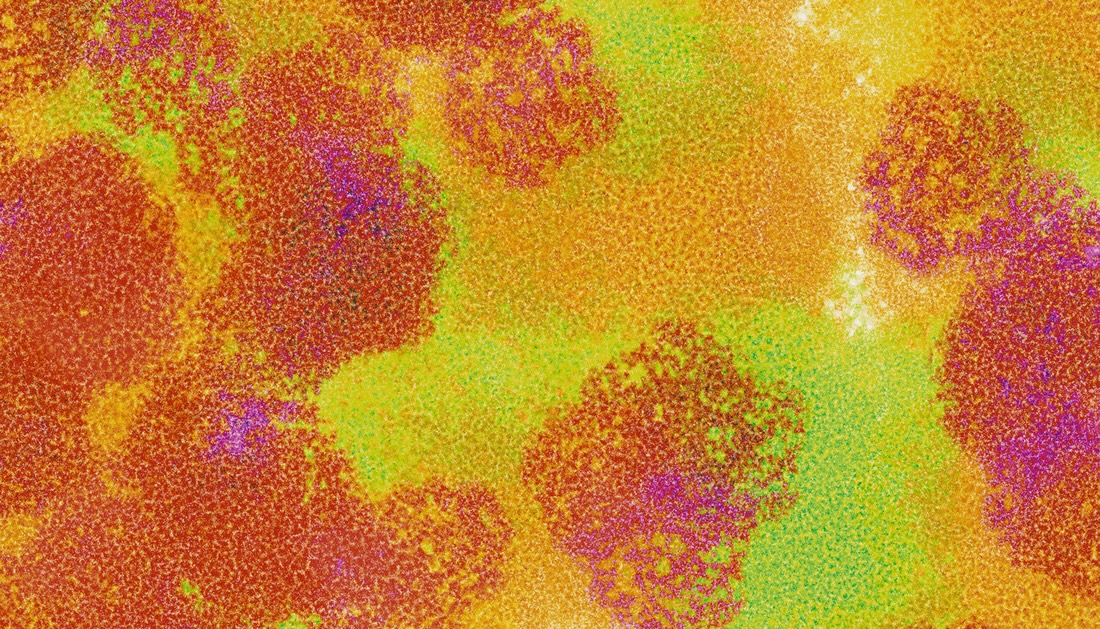
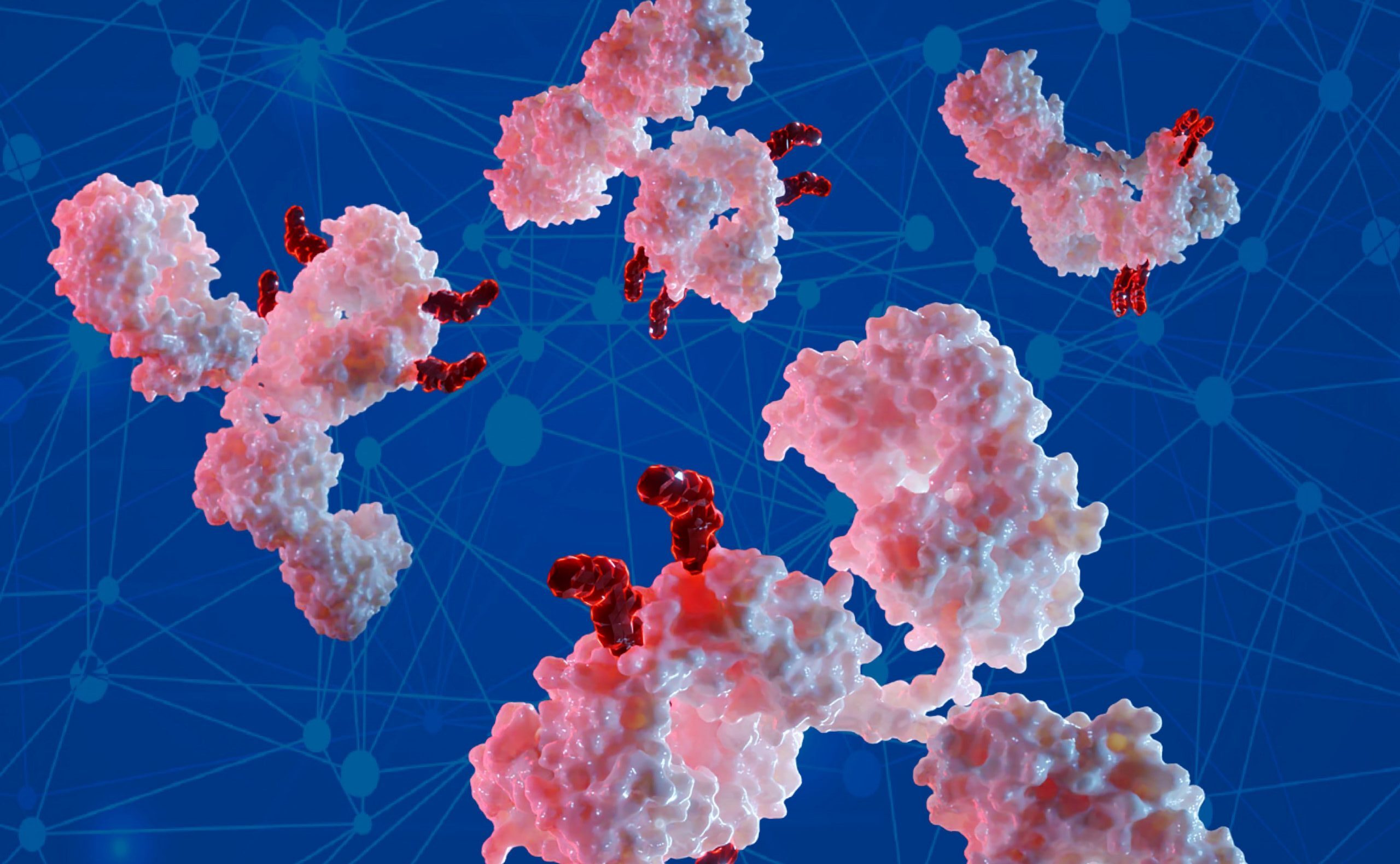
Virus-like particles (VLPs) are a popular platform for biomanufacturers because of their good biosafety profile, immunogenicity, and ease of engineering, although downstream purification remains bottlenecked.
“Successful purification of VLPs cannot rely on any single unit operation, but instead requires integrated, product-specific process design guided by the critical quality attributes of the target particle,” Jingchao Zhang, PhD, Chengdu University of Technology, and Chen Chen, Tianjin University, point out in a recent review. The complex processes needed to generate VLPs result in multiple routes to success, and they are each vulnerable to environmental and process-induced stress, they note.
One option to mitigate such stress is buffer optimization. When developing buffers, they advise evaluating pH, ionic strength, ion species, excipients “such as nonionic surfactants,” and stabilizers that “improve thermal and freeze-thaw robustness.” Start by identifying conditions that most often cause the target molecule to fail, they advise. “This stress-informed characterization is particularly valuable because the stability of VLPs cannot usually be inferred from a single condition alone and may depend on both particle type and solution context,” they write.
Another option is “gentle chromatography.” By that, Zhang and Chen mean macroporous (100 nm or greater pore sizes) chromatography media that support process scaleup by improving binding capacity, increasing mass transfer rates and recovery, and are gentler on VLPs than the narrow (less than 30 nm) agarose media that often are used. Emerging options include non-woven structures and medium-to-large pore hydrogel microspheres, both of which have achieved success, respectively, with adeno-associated viruses and exosomes. “Overall, the chromatographic strategy for VLP purification should be framed as a balance between separation performance and particle preservation,” they conclude.
Process analytical technology is also increasingly valuable as technologies emerge to enable real-time monitoring, analysis, and control, they add.
Managing product heterogeneity is another challenge, as VLP downstream purification must address process- and product-related impurities. Typically, this is a multi-step endeavor “including clarification, ultrafiltration/diafiltration, chromatography, and, where appropriate, disassembly/reassembly-based purification,” Zhang and Chen report.
So far, there haven’t been many viral clearance studies for VLPs, they say. Part of the challenge is the many different expression systems used, such as E. coli, Chinese hamster ovary cells, and insect baculovirus expression vector systems.
In comparing the major downstream viral clearance strategies mentioned in the literature, Zhang and Chen report:
- Solvent/Detergent (TritonX-100) treatment has some environmental concerns and mainly inactivates enveloped viruses.
- Anion-exchange chromatography shows robust viral clearance only if the isoelectric points of the virus and VLPs differ.
- Ion-exchange chromatography is constrained in high-salt or complex sample matrices.
- Cation-exchange chromatography is highly effective in specific conditions.
- Virus filtration is gentle and clears enveloped and non-enveloped viruses, but large VLPs may be larger than the filter pore size.
Looking forward, Zhang and Chen predict near-term VLP purification advances will include: responsive materials and media that enable precise control; AI and machine learning that predicts structure-performance relationships to accelerate materials screening; greater process intelligence; continuous processing; increased use of quality-by-design principles; parallel development in regulatory science; and clearer regulatory standards.
The post Overcoming the VLP Purification Bottleneck appeared first on GEN - Genetic Engineering and Biotechnology News.
Apa Reaksi Anda?
 Suka
0
Suka
0
 Kurang Suka
0
Kurang Suka
0
 Setuju
0
Setuju
0
 Tidak Setuju
0
Tidak Setuju
0
 Bagus
0
Bagus
0
 Berguna
0
Berguna
0
 Hebat
0
Hebat
0