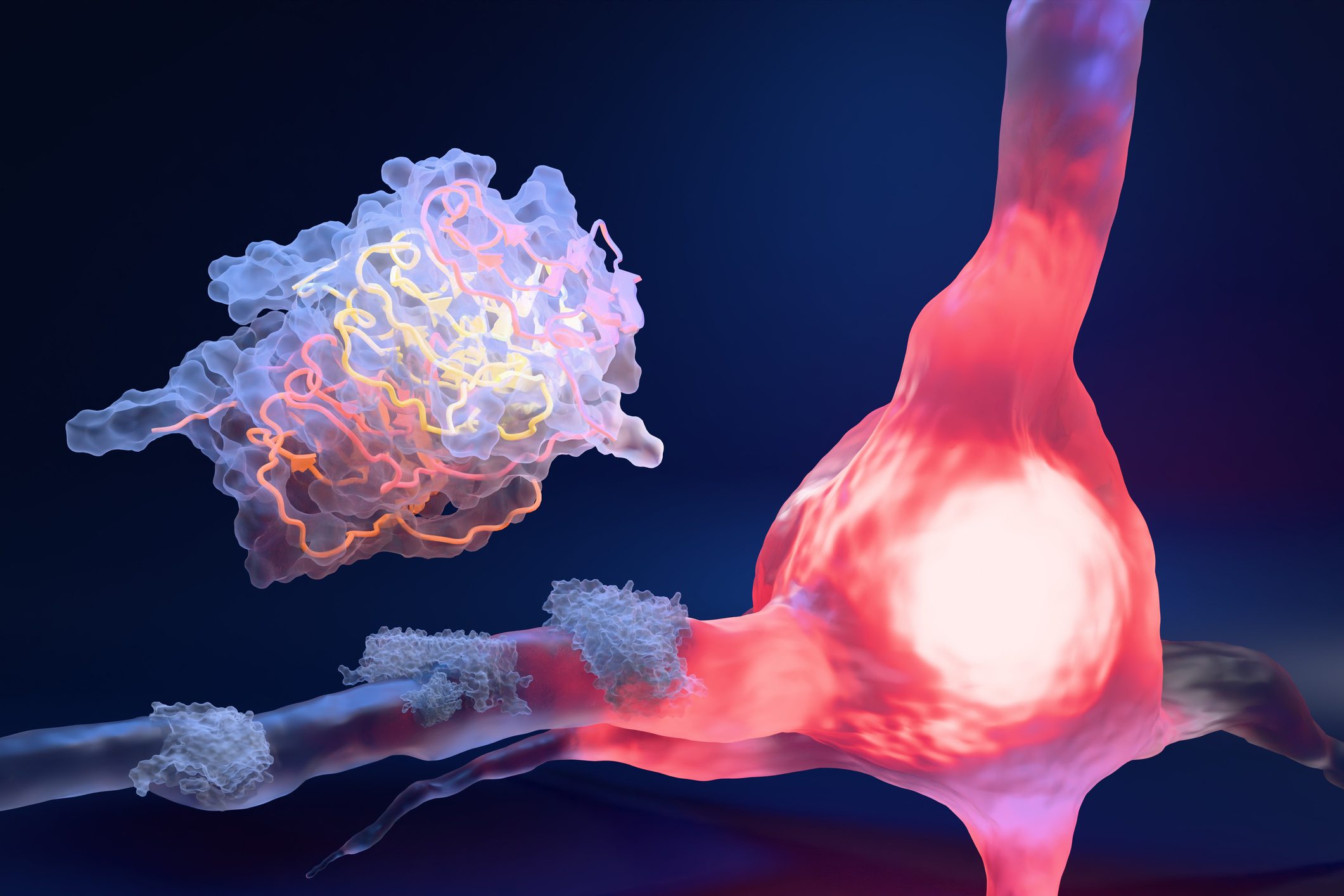







































































Reference Genomes of Malaria-Causing Plasmodium Parasites Completed

Researchers have generated the most complete chromosome-level reference genomes to date for two understudied malaria parasites, uncovering previously inaccessible genetic regions that could help explain how the pathogens evade immune defenses and persist in human hosts.
The study, titled “High quality chromosomal genome assemblies of three human Plasmodium species directly from natural infection,” and published in PLOS Pathogens, describes a method for assembling chromosome-level genomes directly from patient blood samples without laboratory culturing. The findings could improve parasite identification, genomic surveillance, and efforts to monitor emerging drug resistance.
Although Plasmodium falciparum is responsible for most malaria-related deaths, other species, including P. ovale and P. malariae, also contribute to the global disease burden. These parasites can cause chronic infections but remain comparatively poorly understood, partly because researchers lack reliable methods for growing them continuously in laboratory cultures.
To address these limitations, scientists at the Wellcome Sanger Institute and the Parasites and Microbes Research and Training Center in Mali collected blood samples from patients with naturally acquired malaria infections in Faladie, Mali.
The team enriched parasite DNA by removing human white blood cells and uninfected red blood cells before applying PacBio Ultra-Low-Input HiFi long-read sequencing. They combined this approach with Hi-C, a technique that captures interactions between DNA regions to reconstruct chromosome organization.
The researchers ultimately assembled parasite genomes from eight participants, producing high-quality references for P. ovale wallikeri, P. malariae, and P. falciparum.
Unlike earlier fragmented references, the new assemblies resolved previously inaccessible regions near chromosome ends, known as subtelomeric regions. These areas contain repetitive DNA and expanded gene families associated with interactions between parasites and their human hosts, enhancing “understanding of parasite persistence, transmission, immune evasion, and comparative evolutionary studies.”
Notably, the researchers identified more than 2,000 genes belonging to the PIR gene family in P. ovale wallkeri, accounting for approximately one-quarter of its genome.
Comparisons among parasites collected from the same geographic region also revealed extensive genetic rearrangements near chromosome ends, highlighting mechanisms that may contribute to antigenic variation and immune invasion.
“Uncovering these full genomes revealed the extent of expansions of gene families sitting at the ends of chromosomes, which regularly shuffle genetic material to adapt and evade the human immune system,” said first author Sunil Dogga, PhD, formerly of the Wellcome Sanger Institute and now at the Swiss Tropical and Public Health Institute.
The findings are particularly relevant as malaria elimination efforts increasingly confront infections caused by non-falciparum species, which can be difficult to diagnose and may persist even where P. falciparum transmission declines.
Beyond improving understanding of parasite biology, the genomic resources could support development of more accurate molecular diagnostics, identification of potential therapeutic targets, and studies investigating how parasite populations respond to treatment and control measures.
“Establishing gold-standard reference genomes for these neglected parasites fills a critical knowledge gap in global malaria research,” said senior author Mara Lawniczak, PhD, group leader at the Wellcome Sanger Institute.
The researchers emphasized that incorporating these overlooked species into genomic surveillance will be important for developing more comprehensive malaria elimination strategies. The authors wrote, “This work provides a critical foundation for including these neglected species in global malaria elimination efforts.”
The post Reference Genomes of Malaria-Causing Plasmodium Parasites Completed appeared first on GEN - Genetic Engineering and Biotechnology News.
Apa Reaksi Anda?
 Suka
0
 Kurang Suka
0
 Setuju
0
 Tidak Setuju
0
 Bagus
0
 Berguna
0
 Hebat
0






