













































%20and%20Batch%20Production%20Records%20(BPR).png)











Technique Yields Uniform, High-Quality EVs at Scale
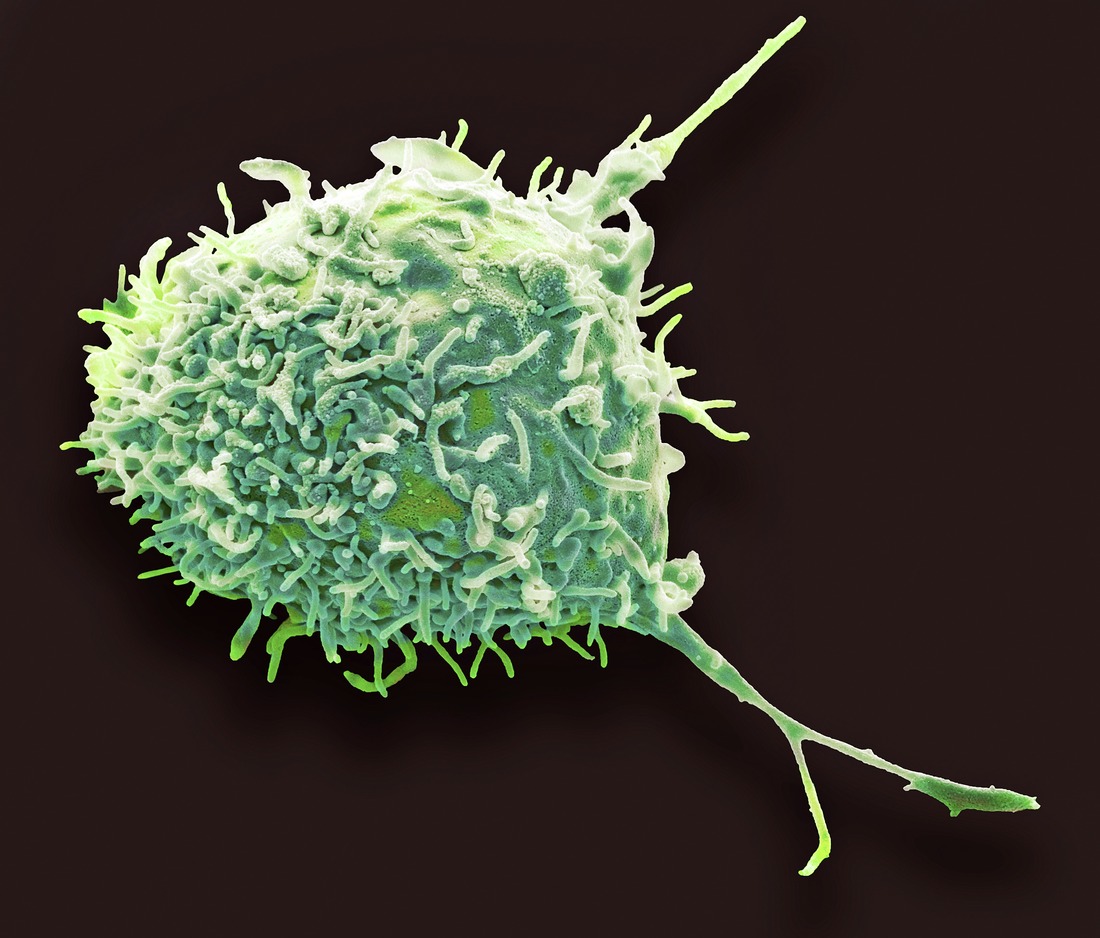
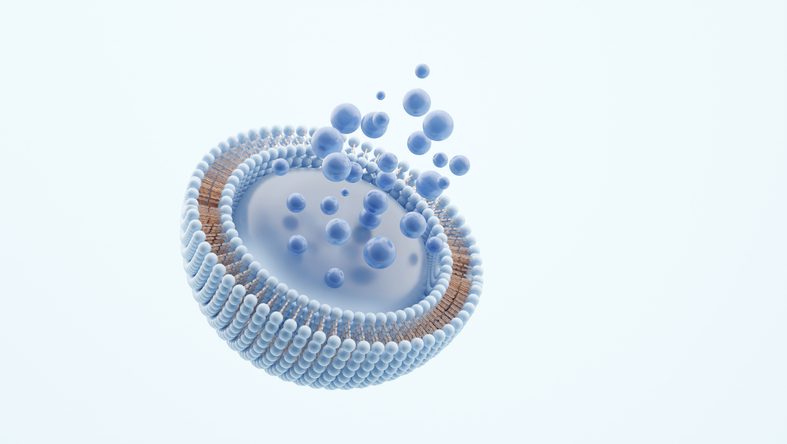
Mesenchymal stem cell-derived extracellular vesicles (MSC-EVs) play an outsized role in intracellular communications, influencing such functions as inflammation and tissue repair. With the possible applications of these small, membrane-bound particles growing, an efficient, cost-effective production method has been on drug manufacturers’ wish lists for some time.
A novel, streamlined chromatographic production and isolation method developed by scientists at Satorius BIA Separations in Slovenia may fulfill that wish, yielding uniform, high-quality EVs at scale. The method concentrates MSC-EVs directly from conditioned media. It also removes 97% of protein impurities and 95% of double-stranded DNA-related impurities, increasing their potential as therapeutics or drug delivery vessels.
Microcarrier + suspension
The method relies upon preferential exclusion chromatography, Katja Vrabec, head of product application area (EVs) at Sartorius, notes in a recent paper. In it, Vrabec and colleagues explain the method “uses monolithic hydroxyl columns to purify and concentrate the MSC-EVs,” and biochromatography analytics to track EV-specific surface antigens.
First, the team expanded the MSCs in growth media, and then produced the EVs in a lean media formulation to limit production of protein and particle contaminants. That part is standard.
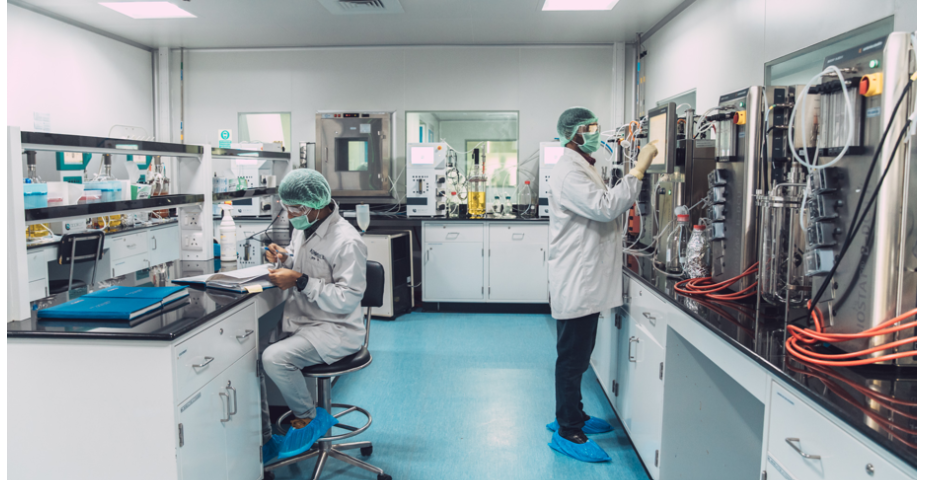
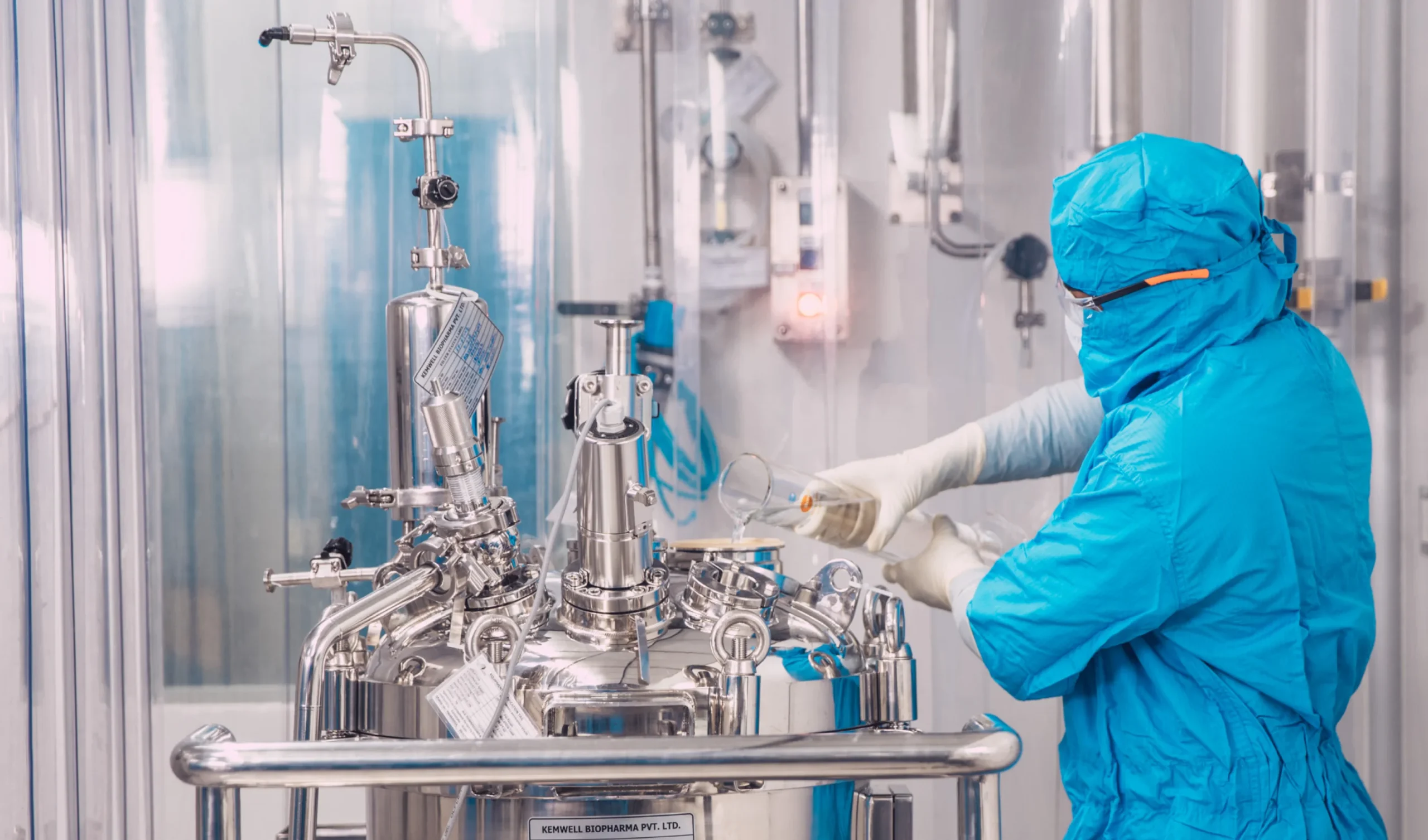
Here’s what’s different: The scientists used a microcarrier-based system rather than flask-based 2D cultivation to scale the MSC cultures and increase the ratio of EVs to contaminants in conditioned media. They also used a suspension culture to enhance cell growth surface-to-volume ratios, and thereby increase EV yield. Then, they used a monolithic hydroxyl column to capture and purify the EVs directly from harvest.
Increasing cell density and the cell-to-impurity ratio lowers buffer consumption downstream and lays the groundwork for biomanufacturers to transition to a scalable bioreactor system.
Because the main impurities in EV harvests don’t interact with the chromatographic column in high-salt-binding conditions, the team recommends choosing a low-salt buffer for elution to reduce the need for buffer exchange before the polishing step. The optimal binding condition, they report, is “sodium citrate of 0.75M at pH 7.0.”
This research highlights the need to consider upstream and downstream processing as a cohesive system, to design a simple, scalable, holistic process, and to apply reliable analytics. This all is particularly challenging, the team admits, given “the heterogeneous nature of EVs and the presence of similarly-sized components in biological samples.”
The post Technique Yields Uniform, High-Quality EVs at Scale appeared first on GEN - Genetic Engineering and Biotechnology News.
Apa Reaksi Anda?
 Suka
0
Suka
0
 Kurang Suka
0
Kurang Suka
0
 Setuju
0
Setuju
0
 Tidak Setuju
0
Tidak Setuju
0
 Bagus
0
Bagus
0
 Berguna
0
Berguna
0
 Hebat
0
Hebat
0