



















































%20and%20Batch%20Production%20Records%20(BPR).png)
















The real problem with NHS dentistry… and why it’s not money
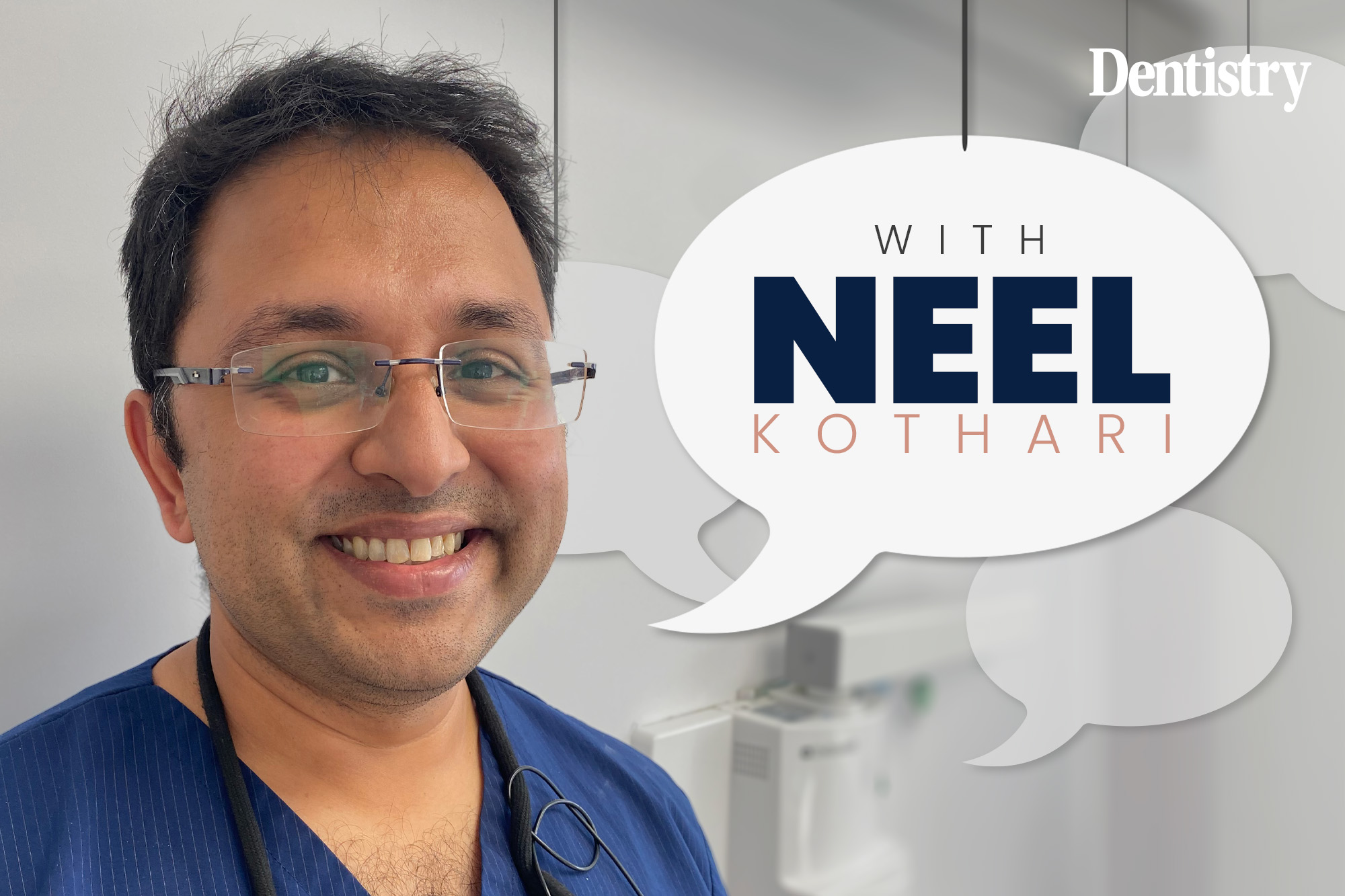
Neel Kothari explains why administrative burnout and a lack of clinical support, not funding, are the real reasons dentists are fleeing the NHS.
Undoubtedly years of under inflationary pay rises have made NHS funding a problem. But what is often overlooked is how difficult the day-to-day experience of being an NHS dentist has become and why those cumulative pressures may be the biggest reason dentists are leaving.
Let me explain. Consider what it is like if professional ethics matter deeply to you and you have been taught to follow the rules throughout your entire journey of becoming a dentist.
This seems reasonable – until you work in a system where, even after 20 years, no one can clearly define those rules, yet getting them wrong could put your registration and career at risk.
Sure, there is much we can agree on, but most of us will know colleagues who take the view that they will not carry out molar endodontics, bridges or chrome dentures on the NHS because rightly or wrongly they cannot afford to do so.
I am not criticising them, but rather pointing out how absurd it is that conscientious dentists are left so unsupported when difficult decisions arise.
Demoralising administrative burdens
This lack of support is compounded by the endless obsession with data collection. This may sound minor, but for the people expected to do it, it is a demoralising administrative burden that chips away at morale with every task.
These may sound like first-world problems, but anyone who has completed a five-page secondary care referral only to have it rejected over something minor – such as missing general practitioner details – knows how draining that experience can be.
Furthermore, on the subject of demoralising burdens, few things have done more to worsen the NHS dentist shortage than the government’s choice of website, Compass. It is notoriously difficult to access and is truly horrible to navigate once in.
I have no doubt that this alone has been a significant factor in encouraging some to leave NHS dentistry. I do not believe it was deliberately designed to make life harder, but it certainly feels that way.
OK, perhaps I’m exaggerating a little because, taken individually, each of these issues may seem manageable. But when they are repeated between patients on already overloaded days – and every NHS day is busy – they point in one direction: burnout.
The employment contradiction
At the heart of the problem is a contradiction: the NHS treats dentists like employees when enforcing rules and abiding by obligations but relies on their self-employed status when asking them to operate within a flawed and widely criticised system in order to see large numbers of patients.
Gallup research from 2024-2025 found that enjoyment of daily work, a sense of purpose, and freedom over tasks are among the most important drivers of job satisfaction. Can we honestly say that in its current iteration NHS dentistry allows dentists to thrive?
The uncomfortable reality is that if NHS dentists were employed, standards would probably improve, as more time could be spent on each procedure as the financial incentives shift.
The impossible dental triangle
But output would fall, because in a budget-constrained system there are only three variables: cost, quantity, and quality. Expecting low cost, high volume, and high quality at the same time is not just unrealistic, I would argue that it’s delusional.
This is the core divide between what governments want and what the profession believes is achievable.
This is not just a problem for dentists. Nurses, hygienists, therapists and technicians are also being put off by the pace and pressure of NHS dentistry.
Practices are no longer simply competing with other practices for dental nurses; they are competing with employers such as Tesco, who can offer similar pay for far less stress.
Running on empty goodwill
More money may help with some of these problems. But money alone will not solve them as the dental workforce is not motivated solely by pay.
This is evidenced by the vast number of dentists who have accepted lower earnings to move into private practice for a better work-life balance, while others are leaving the profession altogether, retraining, or retiring early.
While we often hear on social media about those private dentists flying private jets, driving Ferraris or posting pictures of them checking the time on their conveniently placed Rolexes – little is said about the silent majority who aren’t looking for more money but just less stress.
The NHS has never really understood that many dentists historically stayed because they entered the system after graduation and had a strong sense of goodwill towards it.
It’s this goodwill which has meant that the British taxpayer is paying a bargain price for its NHS dentists compared with dentists in most other countries in the western world.
But NHS dentistry cannot run on goodwill alone. Dentists need proper support in what is an exceptionally demanding public-facing job. That is why higher pay will help but, by itself, will not fix the problem.
Put simply, many dentists are willing to work under the auspices of NHS dentistry for less pay than their private counterparts and have done for many years but are leaving because they lack support and are no longer willing to risk their physical and mental health by staying.
In my opinion, it’s long overdue that this aspect of our profession needs to be addressed.
Follow Dentistry.co.uk on Instagram to keep up with all the latest dental news and trends.
Apa Reaksi Anda?
 Suka
0
Suka
0
 Kurang Suka
0
Kurang Suka
0
 Setuju
0
Setuju
0
 Tidak Setuju
0
Tidak Setuju
0
 Bagus
0
Bagus
0
 Berguna
0
Berguna
0
 Hebat
0
Hebat
0