
































































My Retainer Feels Tight or Doesn’t Fit. Should I Force It?
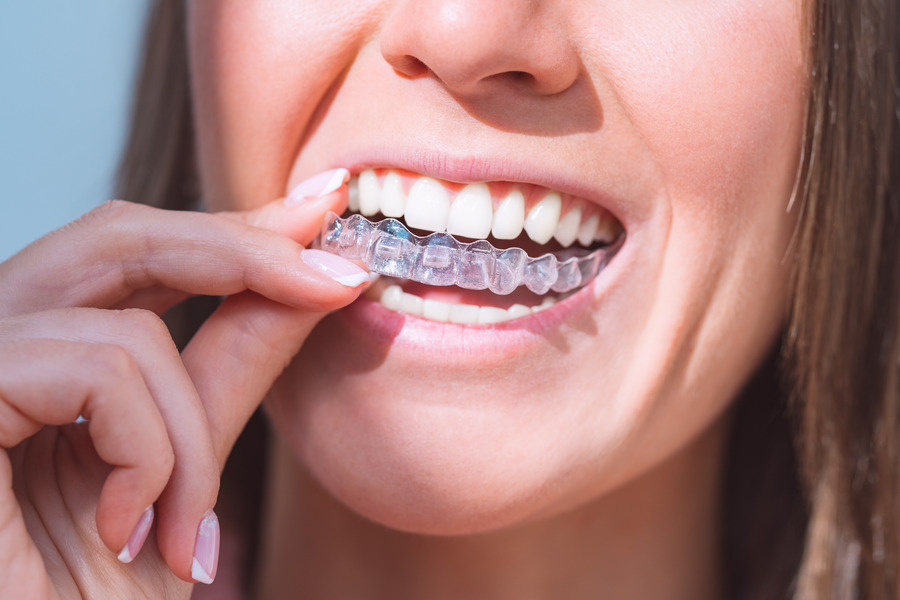
If your retainer feels a little snug but still fits fully over your teeth without significant pain, the change may be related to minor tooth movement. If your retainer doesn’t sit completely, causes significant or sharp pain, looks warped or damaged, or must be pushed or bitten forcefully into place, don’t force it.
A retainer is made to fit a particular position of your teeth. When it no longer fits properly, the cause may be a change in your teeth, a change in the retainer, or both. Forcing it into place does not tell you which problem you are dealing with. An AAO orthodontist can evaluate the fit and recommend the appropriate next step. AAO guidance advises patients to consult their orthodontist when a retainer causes pain, is damaged, or no longer fits as it once did.
Is It Normal for a Retainer to Feel Tight?
Some snugness can happen, especially if you haven’t worn your removable retainer as consistently as your orthodontist recommended. Teeth can continue to shift after orthodontic treatment, which is why retention remains an ongoing part of maintaining your results.
However, there is an important difference between a retainer that feels slightly snug and one that no longer fits.
A mildly snug retainer may still seat completely over the teeth and stay in its usual position. It should not require significant force to put on.
A retainer that does not fit may stop partway onto the teeth, leave an unusual space between the appliance and one or more teeth, pop out of position, or cause significant discomfort when you try to seat it.
If you are unsure which situation applies, contact your orthodontist rather than trying to make the retainer fit on your own.
How Tight Is Too Tight for a Retainer?
Pay attention to both fit and comfort. Contact an orthodontist if:
- The retainer will not fully seat over your teeth.
- You have to push hard or bite down forcefully to get it into place.
- You feel significant or sharp pain when inserting or wearing it.
- One portion fits while another portion visibly sits away from the teeth.
- The retainer repeatedly pops off or will not stay seated.
- The plastic looks warped, cracked, or misshapen.
- A wire is bent, broken, or loose.
- The fit has changed and does not quickly return to a comfortable fit with the wear schedule your orthodontist has recommended.
AAO guidance recommends professional evaluation when a retainer remains uncomfortable, has visible damage, or no longer fits properly.
Why Does My Retainer No Longer Fit?
A retainer can fit differently for several reasons. Finding the cause matters because the appropriate solution depends on what changed.
Your Teeth Have Shifted
One common reason is inconsistent retainer wear. A removable retainer is designed to help maintain the positions achieved through orthodontic treatment. If you stop wearing it for a period of time, your teeth may move enough that the appliance feels tighter when you try it again.
Teeth can also change gradually over time. Retainer wear helps minimize unwanted changes, but your orthodontist should determine what to do when an older appliance no longer matches your current tooth positions.
The Retainer Has Changed Shape
Sometimes teeth aren’t the only thing that has changed. Removable retainers can wear, crack, bend, or distort.
Heat is a particular concern for plastic retainers. Hot water, a hot car, or other high-temperature environments can damage or warp some retainer materials. Physical damage can also change how an appliance sits on the teeth. AAO recommends keeping retainers away from excessive heat and contacting an orthodontist when a retainer is malformed or damaged.
Do not try to reshape a retainer at home with hot water or other do-it-yourself methods. A retainer that has changed shape may no longer match the tooth positions it was designed to hold.
The Retainer Is Worn or Damaged
Retainers don’t necessarily stay unchanged indefinitely. Daily insertion, removal, cleaning, storage, and normal wear can eventually affect an appliance, making it essential to take care of your retainer.
Look at your retainer regularly. Contact your orthodontist if you notice cracks, distortion, damaged wires, sharp edges, or a sudden change in fit. AAO guidance advises patients to stop wearing retainers with certain visible damage, such as cracks or loose wires, and obtain a professional evaluation.
Why You Should Not Force an Old Retainer to Fit
Finding an old retainer after weeks, months, or even years can make it tempting to push it onto your teeth and see if it will straighten them again. If it doesn’t fit properly, forcing it is not a substitute for an orthodontic evaluation.
There are several reasons.
The Retainer Was Made for an Earlier Tooth Position
A custom retainer reflects your teeth’s position when the appliance was made. If your teeth have moved since then, the old retainer may no longer match your current tooth position.
Orthodontic tooth movement is planned and monitored. If additional movement is needed after your original treatment, your orthodontist can determine which teeth have moved, how your bite has changed, and the appropriate approach. Depending on the situation, AAO notes that options may include an adjustment, a new retainer, or orthodontic treatment such as clear aligners or braces.
More Force Is Not the Same as Better Fit
A retainer should not need to be jammed, clamped, or aggressively bitten into place.
Significant resistance is useful information. It may mean your teeth have moved beyond the retainer’s current fit, or the appliance itself may be distorted. Continuing to force it doesn’t address that uncertainty and can cause unnecessary discomfort or damage the appliance.
If a retainer will not seat with normal, gentle insertion, stop and contact your orthodontist.
You Could Damage the Retainer
Forcing a removable appliance over teeth that no longer match its shape can place stress on the retainer. Clear plastic can crack or distort, and wires or acrylic components can also become damaged.
A damaged retainer may no longer hold the teeth as intended. AAO recommends contacting an orthodontist when a retainer is damaged rather than continuing to use an appliance with a compromised fit.
Pain Is a Reason to Stop and Get Advice
Mild pressure and significant pain are not the same thing. AAO guidance specifically recommends consulting an orthodontist when tightness causes discomfort or pain.
Do not treat significant pain as proof that an old retainer is “working.” If inserting or wearing the retainer hurts, or if you have to force it over your teeth, contact your orthodontist.
Can a Tight Retainer Move Teeth Back?
A retainer’s main purpose is to maintain the positions achieved through orthodontic treatment. In some cases, very minor tooth movement may make an otherwise well-fitting retainer feel snug, and an orthodontist may recommend more consistent wear.
That does not mean you should use every old or tight retainer to move teeth on your own.
If your teeth have shifted enough that the appliance no longer seats properly, your orthodontist may need to adjust or replace the retainer. If more tooth movement is necessary, some patients may be candidates for a limited course of clear aligners or braces before returning to retention. The right option depends on an evaluation of your current teeth and bite.
What Should I Do If My Retainer Doesn’t Fit?
First, do not force it into place.
Check the appliance for obvious cracks, bending, distortion, or other damage. Think about how consistently you have worn it and whether it may have been exposed to heat.
If the retainer is only mildly snug, still seats fully, and doesn’t cause significant discomfort, follow the wear instructions your orthodontist gave you. If the fit remains uncomfortable, worsens, or you are unsure about wearing it, contact your orthodontist.
If the retainer does not fully fit, causes significant pain, or appears damaged or warped, contact an AAO orthodontist for an evaluation rather than trying to alter the appliance yourself.
What Happens at an Orthodontic Retainer Check?
A retainer evaluation is an opportunity to find out what changed and what, if anything, needs to be done.
Your orthodontist can examine your teeth and bite, assess how the retainer fits, and look for wear or damage to the appliance. If a replacement retainer is appropriate, you may need a new scan or impression so the replacement matches your current teeth. AAO’s retainer guidance notes that a changed fit can sometimes require an adjustment or a new impression for a replacement appliance.
Possible next steps depend on the individual situation. They may include:
- Continuing your current retainer according to updated instructions.
- Adjusting an appliance when appropriate.
- Making a replacement retainer.
- Monitoring a minor change.
- Discussing limited orthodontic treatment if teeth have shifted enough that a retainer alone is not appropriate.
- Discussing more comprehensive treatment when significant changes have occurred.
An evaluation does not mean you are automatically beginning braces or clear aligner treatment. The purpose of the visit is first to assess the problem and discuss your options. If active orthodontic treatment is recommended, that decision and starting treatment are separate steps. AAO’s current guidance similarly describes evaluation and treatment planning before an appointment to begin treatment.
Why Retainer Wear Still Matters After Orthodontic Treatment
Teeth can continue to change position after braces or clear aligner treatment. Retainers help maintain your corrected tooth positions and minimize unwanted changes over time.
The amount and frequency of retainer wear can vary, so follow your orthodontist’s instructions rather than relying on a general schedule.
Good retainer habits also help protect the appliance itself. Store a removable retainer in its case when you’re not wearing it, keep it away from excessive heat, clean it according to your orthodontist’s instructions, and contact the office if you notice damage or a significant change in fit.
Frequently Asked Questions About Tight and Old Retainers
Get a Retainer That Fits Your Teeth Today
A retainer that suddenly feels different is worth paying attention to. Mild snugness and a retainer that will not fit are not the same problem, and an old appliance should never need significant force to seat over your teeth.
If your retainer is painful, damaged, warped, or no longer fits fully, an AAO orthodontist can evaluate your teeth, your bite, and the appliance before recommending what comes next. An evaluation may show that you need a replacement retainer, an adjustment, monitoring, or additional orthodontic care. It does not automatically mean starting treatment.
The post My Retainer Feels Tight or Doesn’t Fit. Should I Force It? appeared first on American Association of Orthodontists.
Apa Reaksi Anda?
 Suka
0
 Kurang Suka
0
 Setuju
0
 Tidak Setuju
0
 Bagus
0
 Berguna
0
 Hebat
0