






















































How to Treat Hormonal Acne in Philadelphia When Topicals Stop Working


You have tried the cleansers, the spot treatments, and the prescription gels. Your skin gets better briefly, then the breakouts return. Hormonal acne in Philadelphia is one of the most frustrating concerns we treat at About Face Aesthetics because topicals were never built to address the root cause.
Hormonal acne is driven by internal androgen fluctuations that topical products cannot address, typically appearing along the jawline and chin in a cyclical pattern. Effective treatment often combines AviClear laser, which targets sebaceous glands over three sessions with permanent results, alongside chemical peels, microneedling, IPL, and medical facials to address both active breakouts and resulting discoloration.
Why Topicals Fail Against Hormonal Acne and What Actually Works
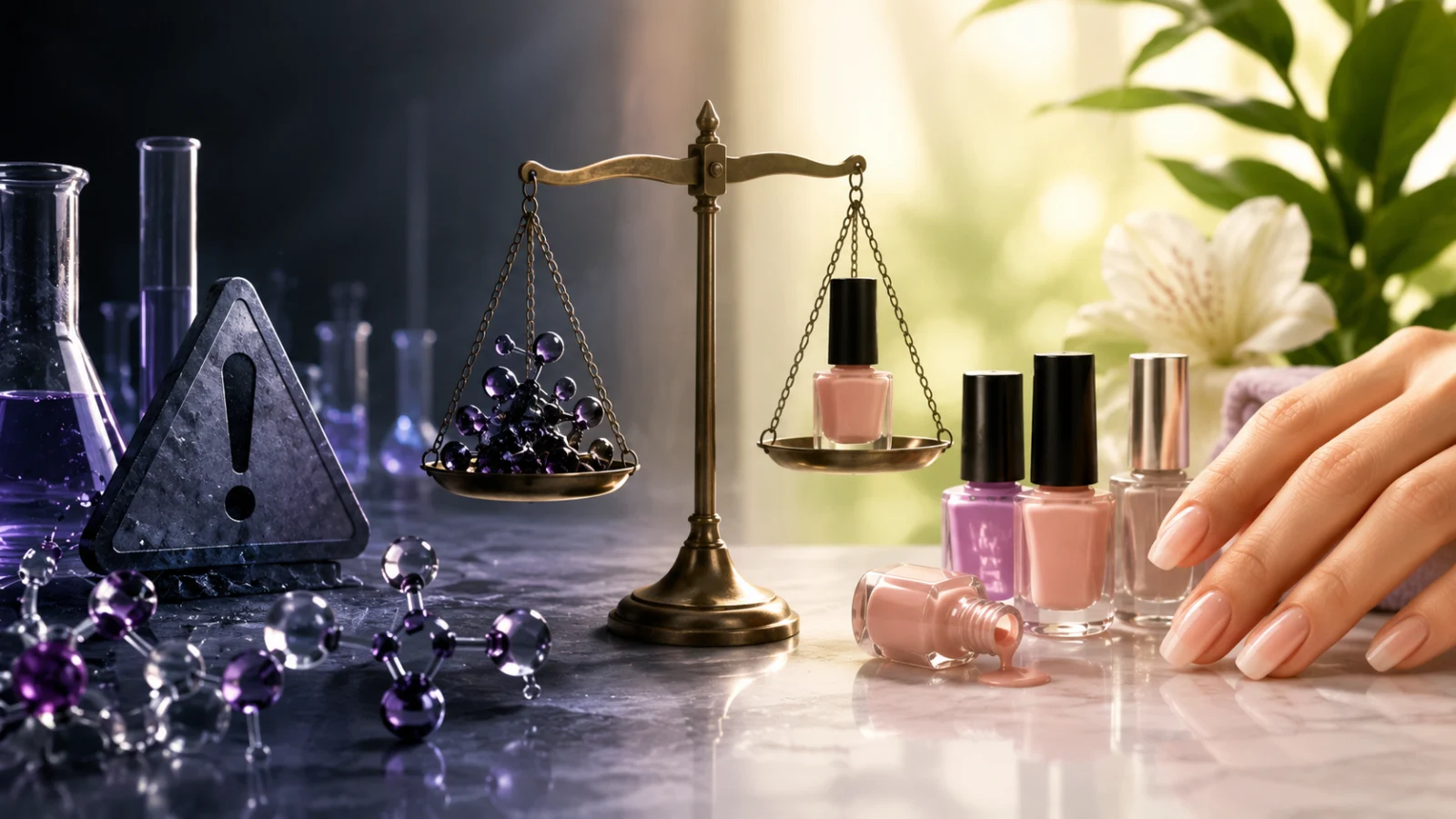
Hormonal acne is driven by internal fluctuations that no cream can reach. The breakouts tend to appear along the jawline, chin, and lower cheeks, following a predictable monthly pattern. When topicals stop working, it is not a sign that you need a stronger product. It is a sign that the problem requires a different approach.
Understanding What Hormonal Acne Actually Is
Hormonal acne develops when shifts in androgen levels trigger the sebaceous glands to overproduce oil. That excess oil mixes with dead skin cells and clogs pores, creating the deep, tender breakouts common with this type of acne. Because the cause is internal, applying a product to the surface can only do so much. Once the hormonal signal keeps firing, topicals become a temporary fix.
This is why many patients who walk in have already cycled through multiple products without lasting results. The issue is not the product. It is that surface treatments cannot interrupt a cycle that starts beneath the skin.
The Professional Treatments That Change the Outcome
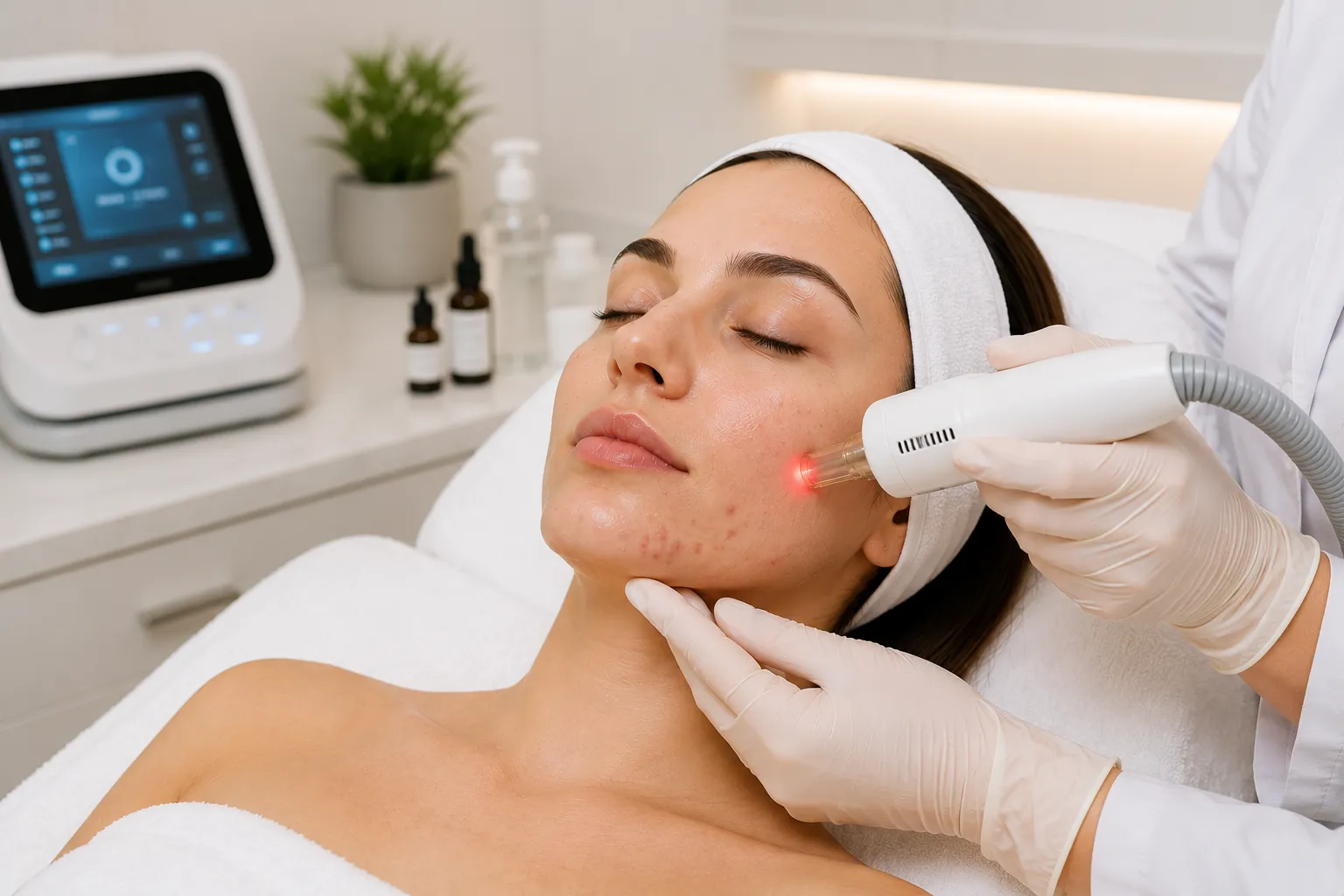
At About Face Aesthetics, our acne treatment in Philadelphia combines multiple modalities to address this from different angles. One of the most effective options on our menu is the AviClear acne laser treatment. AviClear is FDA cleared, targets sebaceous glands at the source, and requires three sessions. Results are considered permanent for most patients.
For patients dealing with active breakouts and post acne scarring at the same time, we often combine AviClear with other treatments. Our IPL in Philadelphia addresses discoloration left after breakouts clear, and our microneedling in Philadelphia helps rebuild skin texture over time. Used together, they address both acne activity and the damage it leaves behind.
How the AviClear Laser Works Differently
What makes AviClear different is its precision. The laser wavelength specifically targets sebaceous glands without affecting surrounding tissue. Most patients experience a brief warming sensation during treatment that signals the laser is working. Oil production decreases after each session, and by the end of the three session program, most patients see a lasting reduction in breakouts.
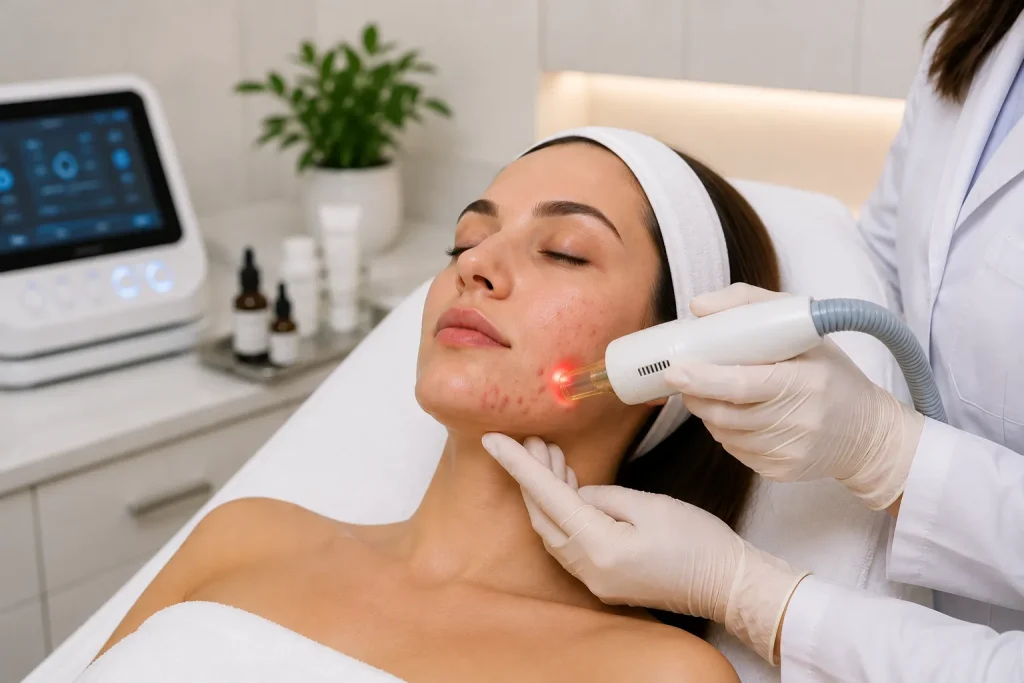
Patients often ask us whether this laser is safe for darker skin tones. AviClear has been studied across a range of skin tones and is appropriate for most patients. As with every treatment at About Face Aesthetics, we assess your individual skin before recommending a protocol.
The Role of Chemical Peels in a Hormonal Acne Protocol
Chemical peels in Philadelphia play an important supporting role in hormonal acne treatment. While they do not address the hormonal trigger, they accelerate cell turnover, reduce pore clogging buildup, and help even out discoloration from past breakouts. We use multiple peel formulations depending on skin type and often incorporate them between laser sessions to keep the skin progressing.
For patients with active acne and mild to moderate congestion, regular medical facials in Philadelphia also help manage the skin between more intensive treatments. Our medically trained team customizes every facial to the skin in front of them, not a standard protocol.
When to Consider Semaglutide as Part of the Picture
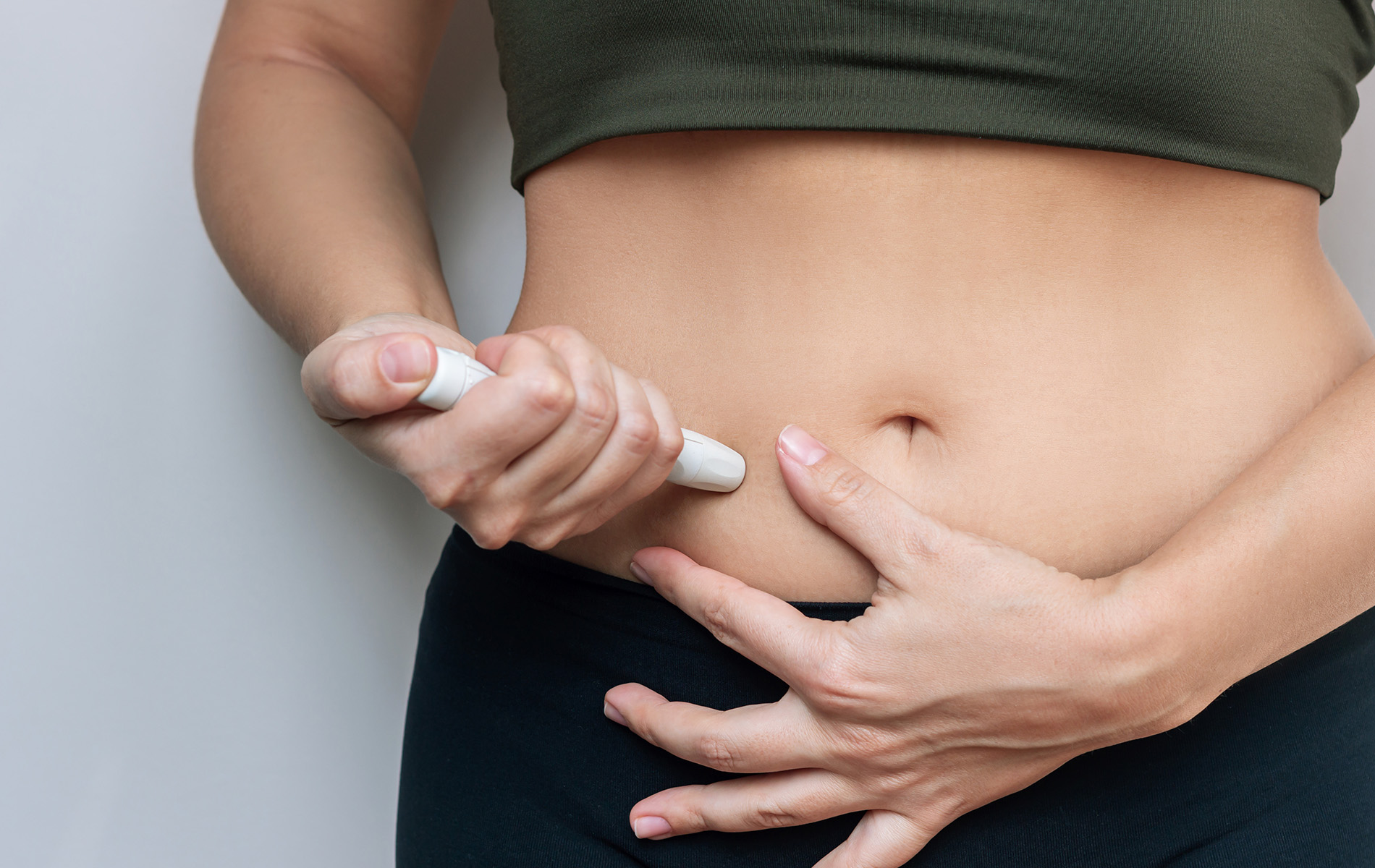
For some patients, hormonal acne is connected to insulin resistance or broader hormonal dysregulation. In these cases, our semaglutide in Philadelphia program may be worth discussing during a consultation. Some patients on GLP-1 medications report improvements in acne as a secondary benefit. This is always a consultation conversation, not a standalone recommendation.
Building a Plan That Addresses the Root Cause
The most important step is stopping the habit of treating this as a surface problem. At About Face Aesthetics, we build individualized plans that reflect the actual cause, the skin condition, and realistic goals. In fifteen plus years serving Philadelphia, we have seen what works. Persistent hormonal acne needs a real, dedicated clinical approach.
Conclusion
Hormonal acne in Philadelphia does not have to be a cycle you repeat indefinitely. At About Face Aesthetics, we offer AviClear, chemical peels, microneedling, IPL, and medical facials as part of a structured acne approach that goes well beyond topicals. If your current routine has stopped working, contact us at (215) 923-5001 or visit 1015 Chestnut St, Suite 520, Center City Philadelphia.
FAQs
How is hormonal acne different from regular acne?
Hormonal acne is driven by internal androgen fluctuations rather than external factors. It typically appears along the jawline and chin, follows a cyclical pattern, and does not respond reliably to topical treatments alone.
Is AviClear right for all skin types?
AviClear has been studied across a range of skin tones and is appropriate for most patients. We assess each individual before recommending a protocol to confirm it is the right fit.
How many AviClear sessions are needed?
The standard AviClear program involves three sessions, each approximately thirty minutes. Results build progressively and are considered permanent for most patients.
Can hormonal acne be treated without a laser?
Yes. Chemical peels, medical facials, microneedling, and IPL can all contribute to an effective acne treatment plan. The right combination depends on the individual’s skin and the severity of the concern.
The post How to Treat Hormonal Acne in Philadelphia When Topicals Stop Working appeared first on About Face Aesthetics.
What's Your Reaction?
 Like
0
Like
0
 Dislike
0
Dislike
0
 Agree
0
Agree
0
 Disagree
0
Disagree
0
 Excellent
0
Excellent
0
 Useful
0
Useful
0
 Great
0
Great
0