



















































Vitamin B2 (Riboflavin): Benefits, Food Sources, and Deficiency Signs


Few vitamins announce their presence as dramatically as vitamin B2.
Riboflavin is naturally yellow and fluorescent. It helps give some B-complex products their color, and surplus riboflavin can make urine look almost neon yellow. That visible effect is harmless in most cases—but the nutrient’s real work happens where you cannot see it.
Inside cells, vitamin B2 becomes part of two coenzymes involved in energy production, nutrient metabolism, antioxidant systems, and the activation of other vitamins.
Quick answer: Vitamin B2, or riboflavin, is a water-soluble vitamin that helps cells release energy from food. It also supports growth, development, and the metabolism of fats, medications, and steroid hormones. Adults generally need 1.1–1.3 mg daily.
What is vitamin B2?
Vitamin B2 is the water-soluble nutrient riboflavin. The body uses it to form flavin mononucleotide (FMN) and flavin adenine dinucleotide (FAD), two coenzymes required by numerous cellular reactions.
Riboflavin is naturally fluorescent and sensitive to light. That sensitivity is one reason milk is usually sold in opaque containers rather than clear glass: prolonged light exposure can break down some of its riboflavin.
The body stores only small quantities. Excess absorbed riboflavin is excreted, making a regular dietary supply more useful than treating the vitamin as something to “load up” on occasionally.
What does riboflavin do?
Riboflavin helps form coenzymes that support energy production, cellular function, growth, and nutrient metabolism. It also helps the body use other nutrients.
Supports cellular energy reactions
FMN and FAD transfer electrons during reactions that help cells extract usable energy from carbohydrates, fats, and proteins. Riboflavin does not provide calories or act as a stimulant; it helps the machinery that processes fuel.
Helps metabolize fats, medications, and steroids
Flavin-dependent enzymes participate in many metabolic pathways, including the processing of fats and some compounds the body must transform or clear.
Helps activate other B vitamins
Riboflavin helps convert vitamin B6 into pyridoxal 5′-phosphate, its primary coenzyme form. FAD is also needed when the body converts the amino acid tryptophan into niacin.
This is a useful example of why B vitamins are a family rather than eight isolated actors.
Contributes to antioxidant systems
FAD is used by glutathione reductase, an enzyme involved in maintaining the antioxidant glutathione in its reduced form. This does not make riboflavin a cure-all antioxidant; it shows how micronutrients support interconnected protective systems.
The NIH Office of Dietary Supplements provides a detailed review of these functions.
Does vitamin B2 give you energy?
Riboflavin supports the chemical reactions that produce ATP, but taking extra B2 does not work like caffeine. People who already have adequate status should not assume a larger dose will create more energy.
When riboflavin deficiency is present, normal energy metabolism can be disrupted. Yet fatigue by itself is nonspecific. Sleep, food intake, iron status, thyroid function, medications, infections, and many other factors can affect energy.
How much riboflavin do adults need?
| Life stage | Recommended daily amount |
|---|---|
| Adult men, age 19+ | 1.3 mg |
| Adult women, age 19+ | 1.1 mg |
| Pregnancy | 1.4 mg |
| Lactation | 1.6 mg |
The U.S. Daily Value on food and supplement labels is 1.3 mg for adults and children age four and older.
Which foods contain vitamin B2?
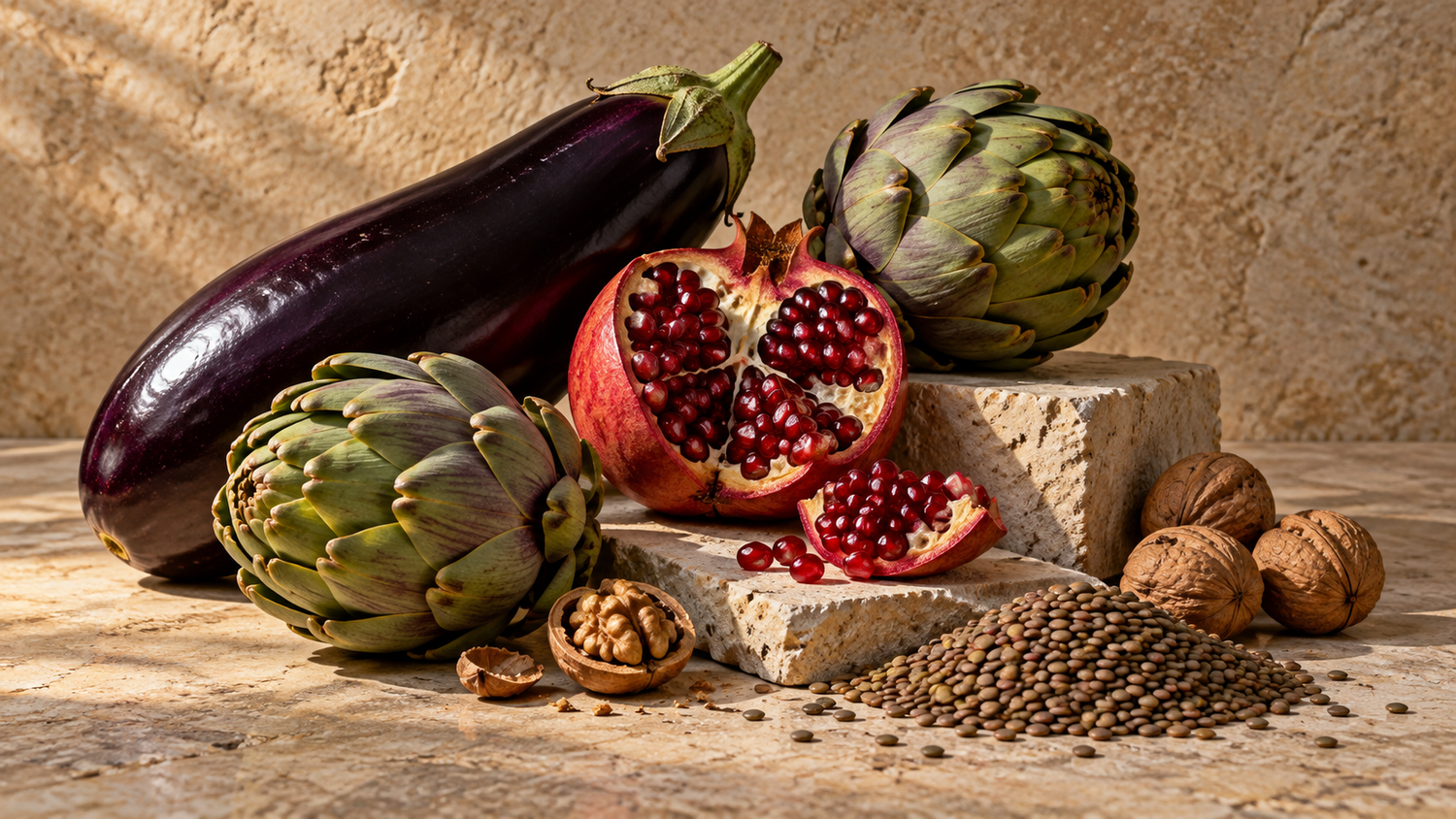
Dairy products, eggs, organ meats, lean meats, almonds, mushrooms, and fortified grains are useful riboflavin sources. People who avoid dairy and meat can still obtain B2, but may need to plan more deliberately.
Food
Typical serving
Approximate riboflavin
Beef liver, cooked
3 ounces
2.9 mg
Fortified breakfast cereal
1 serving
Up to 1.3 mg
Plain nonfat yogurt
1 cup
0.6 mg
Milk, 2%
1 cup
0.5 mg
Almonds
1 ounce
0.3 mg
Portabella mushrooms, grilled
½ cup
0.2 mg
Egg, scrambled
1 large
0.2 mg
Salmon, canned
3 ounces
0.2 mg
Riboflavin is water soluble, so boiling and discarding the water can reduce the amount retained. Steaming, microwaving, or using cooking liquid in the finished dish may preserve more.
Why does riboflavin turn urine bright yellow?
Riboflavin itself is yellow, and excess absorbed riboflavin can be excreted in urine. This can create a bright or fluorescent yellow color after taking a multivitamin or B complex.
For most people, this is an expected and harmless effect. It does not prove that every ingredient was “wasted,” nor does color intensity measure nutritional status.
Urine color can also change because of hydration, foods, medications, and health conditions. Blood, brown urine, pain, or a persistent unexplained change should be discussed with a healthcare professional.
What are the signs of riboflavin deficiency?
Riboflavin deficiency is rare in the United States and often appears alongside other nutrient deficiencies. Possible signs can involve the mouth, skin, eyes, blood, and nervous system.
Findings associated with deficiency include:
- Cracks or sores at the corners of the mouth
- Swollen or cracked lips
- Sore throat
- A swollen tongue
- Red, itchy eyes
- Skin changes
- Hair loss
- Anemia in severe, prolonged cases
These findings have many potential causes. A person should not diagnose B2 deficiency from chapped lips or eye irritation alone.
Who may be at greater risk of low riboflavin intake?
People who consume little dairy or meat, follow an unplanned vegan diet, or have certain rare transport disorders may have a higher risk of inadequacy. Pregnancy and lactation also increase requirements.
Athletes who exclude dairy and animal foods may need particular attention to overall dietary planning—not because exercise automatically “drains” B2, but because restricted diets can make meeting needs more challenging.
What forms of riboflavin are used in supplements?
Most supplements use free riboflavin. Some use riboflavin 5′-phosphate, a phosphorylated form related to FMN. A form name alone does not establish that a product produces better outcomes; dose, complete formulation, quality, and the person’s needs still matter.
Is too much riboflavin harmful?
No tolerable upper intake level has been established for riboflavin because evidence of toxicity from high intake is limited. Absorption becomes constrained at larger single doses, and excess is excreted.
That does not make arbitrarily high doses necessary. Medical-dose riboflavin is sometimes used under professional guidance, including in migraine prevention protocols, but those doses and purposes are different from ordinary nutritional supplementation.
Riboflavin alone or a B complex?
Riboflavin has its own roles, but it helps activate B6 and supports the pathway that converts tryptophan into niacin. A complete complex reflects this biochemical teamwork.
Purality Health Active B Complex provides all eight recognized B vitamins along with five trace minerals and four electrolytes in a liquid micelle-liposomal formula. It is an option for adults who decide that broad B-vitamin coverage is appropriate; it is not a substitute for diagnosing or treating a specific deficiency.
Frequently asked questions about vitamin B2
Is riboflavin the same as vitamin B2?
Yes. Riboflavin is the common name for vitamin B2.
Is bright-yellow urine after a B complex normal?
It commonly results from excreted riboflavin and is usually harmless. Seek medical advice for blood, pain, brown urine, or another persistent unexplained change.
Can riboflavin help migraines?
Some clinical guidelines discuss high-dose riboflavin for migraine prevention, but study results are not uniformly positive and the doses used are far above daily requirements. People with migraines should discuss treatment with a clinician.
Does riboflavin need to be taken with food?
Follow the specific label. Taking a supplement with food can be easier on the stomach for some people, and ordinary dietary riboflavin naturally arrives with meals.
Can vegans get enough vitamin B2?
Yes, but planning helps. Fortified cereals and plant milks, almonds, mushrooms, legumes, and other foods can contribute. Labels are important because fortification varies.
Is riboflavin destroyed by light?
Riboflavin is light sensitive. Prolonged exposure can break it down, which is why proper product packaging and storage matter.
The bottom line
Riboflavin is more than the vitamin behind neon-yellow urine. In its coenzyme forms, it supports energy production, cell function, nutrient activation, and antioxidant systems.
Most adults can meet their needs through a varied diet. The sensible goal is adequacy—not chasing urine color or assuming that a larger dose must deliver a larger benefit.
Prefer to support the whole B-vitamin family? Riboflavin works alongside the other B vitamins, which is why some adults prefer a complete formula. Explore Purality Health Active B Complex and review the current Supplement Facts to see whether it suits your routine.
Sources
- NIH Office of Dietary Supplements: Riboflavin—Fact Sheet for Health Professionals
- NIH Office of Dietary Supplements: Riboflavin—Consumer Fact Sheet
- USDA FoodData Central
- FDA: Dietary Supplements
The post Vitamin B2 (Riboflavin): Benefits, Food Sources, and Deficiency Signs appeared first on Purality Health® Liposomal Products.
What's Your Reaction?
 Like
0
Like
0
 Dislike
0
Dislike
0
 Agree
0
Agree
0
 Disagree
0
Disagree
0
 Excellent
0
Excellent
0
 Useful
0
Useful
0
 Great
0
Great
0