




























































What Does Potassium Do for the Body? (And Why It Matters More Than You Think)


Magnesium gets the wellness spotlight. Sodium gets the bad press. Calcium gets talked about for bone health.
But potassium? It tends to sit quietly in the background, even though it’s involved in some of the body’s most important everyday functions.
As one of the body’s key electrolytes, potassium supports fluid balance, muscle function, nerve signalling and normal blood pressure. And yet, our dietary intake of potassium-rich foods is often lower than it should be.
So what does potassium actually do in the body, and why is it worth paying more attention to?
What Is Potassium?
Potassium is an essential mineral and electrolyte. Electrolytes are minerals that carry an electrical charge, helping to regulate important internal processes (1, 2).
Your body is made up of trillions of cells, and each one has a job. Potassium is mostly found inside these cells, where it helps maintain the balance they need to work properly (1).
Although it is often less talked about than other minerals, potassium plays an equally important role in keeping many of the body’s key systems running smoothly.
What Does Potassium Do In The Body?
Potassium supports several essential functions in the body, many of which happen quietly in the background every day (1, 3):
| POTASSIUM'S ROLE | WHY IT MATTERS |
| Fluid balance and hydration | Helps regulate fluid inside and outside cells |
| Muscle function | Supports normal muscle contraction and relaxation, including the heart muscle |
| Nerve signalling | Helps nerves send electrical messages between the brain, muscles and body |
| Blood pressure balance | Works closely with sodium to support normal blood pressure |
| Cell function | Helps cells maintain the internal balance they need to work properly |
In short, potassium helps keep your cells, nerves, muscles and cardiovascular system working as they should.
Why Potassium Intake Is Often Lower Than It Should Be
Potassium is found naturally in many whole foods. The problem is that modern diets are often higher in sodium and lower in potassium-rich foods (4, 5).
This matters because sodium and potassium work closely together. Sodium can make the body hold onto more fluid, while potassium helps the body clear excess sodium through urine. This is one of the reasons potassium is important for normal blood pressure (5).
In the UK, adults are advised to get 3,500 mg of potassium a day. But many people may be falling short (4). One large 2023 review found that average potassium intake worldwide was closer to 2,250 mg per day, with only 14% of people getting more than 3,500 mg daily (6).
Recent UK data also shows that on average, adults eat just 3.3 to 3.7 portions of fruit and vegetables daily (7).
So, many of us could benefit from adding more potassium-rich foods back onto our plates.
Signs You Might Not Be Getting Enough Potassium
Low potassium is known as hypokalaemia. Mild cases may not cause obvious symptoms, and true low potassium is not usually caused by diet alone. It is more commonly linked to factors such as vomiting, diarrhoea, certain medications, kidney losses or other electrolyte imbalances (8).
When potassium levels do become low, possible signs can include:
- Fatigue or lethargy
- Muscle weakness
- Muscle cramps or spasms
- Constipation
- Palpitations or changes in heart rhythm in more significant cases
If you are concerned about low potassium, especially if you have ongoing symptoms, it is best to speak to your healthcare professional.
Foods High In Potassium
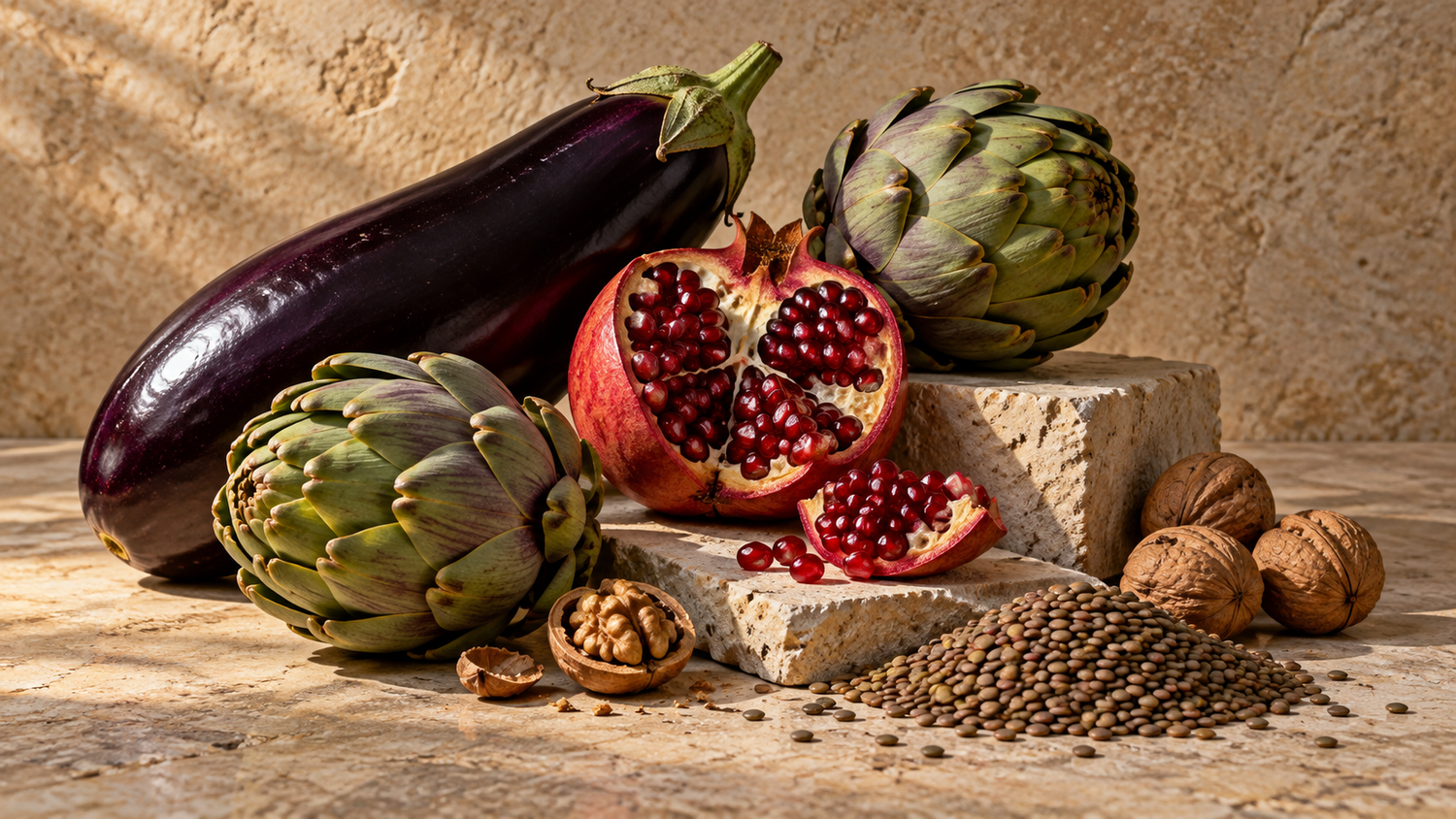
When people think of potassium, bananas are usually the first food that comes to mind. While they are a great source, they are just one of many everyday foods that can help support your intake (1):
| FOOD | TYPICAL SERVING | APPROXIMATE POTASSIUM |
| Dried apricots | 30g | 350mg |
| Lentils | 150g cooked | 550mg |
| Baked potato | 1 medium | 600mg |
| Kidney beans | 120g | 410mg |
| Salmon | 120g cooked | 450–550mg |
| Chicken breast | 120g cooked | 300–450mg |
| Banana | 1 medium | 420mg |
| Milk | 200ml | 300mg |
| Spinach | 80g | 440mg |
| Tomato | 1 medium | 290mg |
| Broccoli | 80g | 230mg |
Having a varied diet can help support your overall potassium intake. But there may be times when a supplement can offer a helping hand.
What Is Potassium Citrate?
Potassium Citrate is one form of potassium supplement, made by combining potassium with citric acid (1). This creates a gentle, well-tolerated form that is easy to take.
Food should always come first, but Potassium Citrate can be a practical option if you want a simple way to support your potassium intake alongside a balanced diet.
Potassium Citrate also has some more specific uses, particularly in relation to urinary pH, acid-base balance and recurrent calcium oxalate kidney stones (9). For a deeper look at this, you can read our full guide to the health benefits of Potassium Citrate.
How To Take Potassium Citrate
Our Potassium Citrate comes in convenient capsules and can be taken daily with or after food, making it easy to build into your routine.
As with any potassium supplement, always follow the recommended serving on the product label. If you take medication or have a health condition, check in with your healthcare professional before supplementing.
For a simple, additive-free way to top up your daily intake, discover our Potassium Citrate capsules, or get in touch if you have any questions about whether it is right for you.
FAQs
What does potassium do for the body?
Potassium supports fluid balance, muscle function, nerve signalling, cellular function and normal blood pressure.
Can you take Potassium Citrate every day?
Potassium Citrate can be taken daily, as directed on the product label. If you take medication or have a health condition, we always recommend checking in with your healthcare professional before supplementing.
What are the benefits of Potassium Citrate?
Potassium Citrate provides potassium in a convenient supplement form. Potassium contributes to normal blood pressure, normal muscle function and normal nervous system function. In some cases, potassium citrate may also be recommended for recurrent calcium oxalate kidney stones under healthcare guidance.
Why is potassium important for hydration?
Potassium helps regulate fluid balance inside and outside cells, which is why it plays an important role in hydration and electrolyte balance.
What are signs of low potassium?
Possible signs include fatigue, muscle weakness, cramps, constipation, and, in more significant cases, changes in heart rhythm. That said, these symptoms can have many different causes, so it is always best to check in with your healthcare professional.
You Might Also Enjoy Reading
3 Ways to Lower Blood Pressure Naturally
Top 8 Vitamins for a Natural Energy Boost to Fight Fatigue
Is Potassium Citrate Good For Blood Pressure?
The Evidence
1. National Institutes of Health Office of Dietary Supplements. (2021). Potassium: fact sheet for health professionals. Available from: https://ods.od.nih.gov/factsheets/Potassium-HealthProfessional/ (Accessed: 2 May 2026).
2. Palmer, B.F. (2015). ‘Regulation of potassium homeostasis’. Clinical Journal of the American Society of Nephrology, 10(6), p.1050–1060. https://doi.org/10.2215/CJN.08580813
3. Agostoni, C.V., Bresson, J.L., Fairweather Tait, S., Flynn, A., Golly, I., Korhonen, H., Lagiou, P., Løvik, M., Marchelli, R., Martin, A. and Moseley, B. (2010). ‘Scientific Opinion on the substantiation of health claims related to potassium and maintenance of normal muscular and neurological function (ID 320, 386) and maintenance of normal blood pressure (ID 321) pursuant to Article 13 (1) of Regulation (EC) No 1924/2006’. EFSA Journal, 8(2). https://doi.org/10.2903/j.efsa.2010.1469.
4. NHS. (2020). Vitamins and minerals. Available from: https://www.nhs.uk/conditions/vitamins-and-minerals/others/ (Accessed: 4 May 2026).
5. World Health Organization. (2023). Increasing potassium intake to reduce blood pressure and risk of cardiovascular diseases in adults. Available from: https://www.who.int/tools/elena/interventions/potassium-cvd-adults (Accessed: 5 May 2026).
6. Reddin, C., Ferguson, J., Murphy, R., Clarke, A., Judge, C., Griffith, V., Alvarez, A., Smyth, A., Mente, A., Yusuf, S. and O’Donnell, M.J. (2023). ‘Global mean potassium intake: a systematic review and Bayesian meta-analysis’. European Journal of Nutrition, 62(5), p.2027–2037. https://doi.org/10.1007/s00394-023-03128-6
7. Office for Health Improvement and Disparities. (2025). National Diet and Nutrition Survey 2019 to 2023: report. Available from: https://www.gov.uk/government/statistics/national-diet-and-nutrition-survey-2019-to-2023/national-diet-and-nutrition-survey-2019-to-2023-report (Accessed: 5 May 2026).
8. Kardalas, E., Paschou, S.A., Anagnostis, P., Muscogiuri, G., Siasos, G. and Vryonidou, A. (2018). ‘Hypokalemia: a clinical update’. Endocrine Connections, 7(4), p.135–146. https://doi.org/10.1530/EC-18-0109
9. National Institute for Health and Care Excellence. (2019). Renal and ureteric stones: assessment and management. Available from: https://www.nice.org.uk/guidance/ng118 (Accessed: 5 May 2026).
What's Your Reaction?
 Like
0
Like
0
 Dislike
0
Dislike
0
 Agree
0
Agree
0
 Disagree
0
Disagree
0
 Excellent
0
Excellent
0
 Useful
0
Useful
0
 Great
0
Great
0