




























Research sheds light on how chicks develop immunity after DOA vaccination
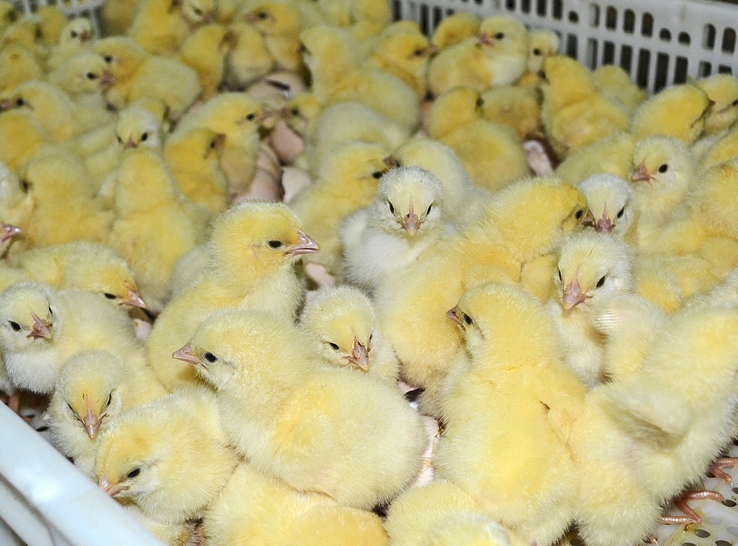
Hatchery day-of-age (DOA) vaccination has been a cornerstone of broiler health for decades, but new research is shedding light on the mechanisms that help it protect chicks despite the immaturity of their immune systems.
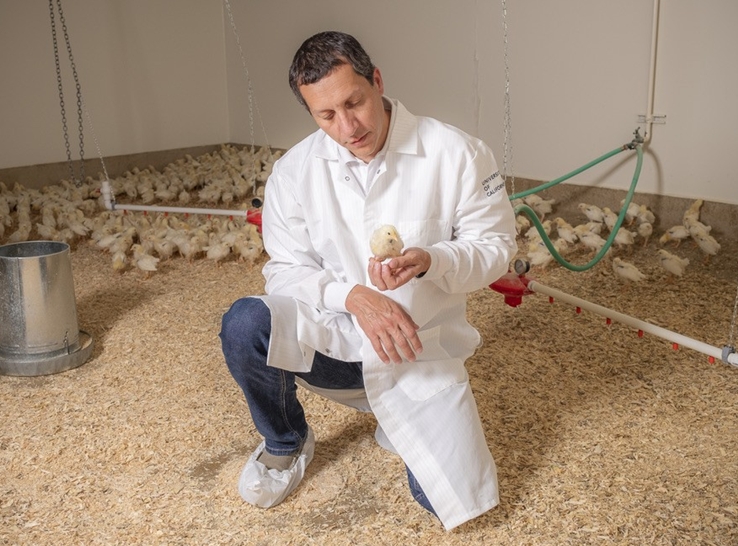
The findings are significant because DOA vaccination is widely used throughout the poultry industry, yet relatively little is known about how newly hatched chicks develop protection following vaccination, said Rodrigo Gallardo, DVM, PhD, who led the research at UC Davis School of Veterinary Medicine.
“We know a lot about adult immunology in chickens, but until recently, we didn’t know much about young chick immunology,” he said. “By helping explain how young birds respond to vaccine stimulation, our research could ultimately support efforts to optimize vaccination programs and improve health outcomes in commercial flocks.”
In a recent study, Gallardo and his team evaluated how chicks respond to live vaccines against respiratory diseases when administered at DOA. They vaccinated groups of chicks against Newcastle disease virus (NDV), the Mass strain of infectious bronchitis virus (IBV) or both, while a control group was left unvaccinated. The team used a heterologous IBV strain (DMV/1639) to challenge the chicks on day 15 of age. They collected Harderian glands and tracheas to evaluate cellular immune responses, and serum and tears to evaluate antibody responses.
Immature but effective
The researchers found that despite the immaturity of the chicks’ immune systems, effective application boosted mucosal and cellular immunity. Vaccinated birds had increased macrophages (specialized white blood cells of the innate immune system), B cells and unconventional T cells, which bridge innate and adaptive immunity. They also had increased levels of key antibodies (IgA and IgY), including elevated NDV-specific and IBV-specific IgY responses.
Another notable finding was that dual vaccination appeared to promote stronger immune training in the respiratory tract and a faster response when later exposed to the IBV DMV/1639 strain. IBV vaccination reduced respiratory signs and viral shedding following the challenge.
“Immature adaptive responses play a role in protecting chickens against subsequent challenges, when they are vaccinated at day of age,” Gallardo said.
Most critical, however, may have been evidence that immature T cells are capable of generating immunological memory.
“It’s a very early finding, but if correct, it suggests that when these cells are stimulated through vaccination, they can remember the pathogen. Then, if the bird is exposed to that pathogen again, the immune response is more efficient,” Gallardo continued.
“If that proves to be the case, we would need to make sure that the vaccines we use persist long enough to stimulate those cells and support development of immune memory. In turn, that could help generate a stronger protective response when birds are later exposed to the pathogen.”
One possible intervention could be to include adjuvants or cytokines in vaccines to stimulate these immature cells, though he acknowledged that such innovations could still be several years away from commercial use.
Maximizing the benefits of DOA vaccination
Despite the encouraging findings, vaccinating newly hatched chicks still comes with inherent biological challenges, Gallardo said, stressing that vaccination doesn’t always lead to immunization. Because their immune systems are still developing, producers must balance multiple vaccines while ensuring optimal vaccine delivery and hatchery management.
According to Gallardo, the key is understanding and managing the critical control points that influence vaccine performance.
“There are several key points in the hatchery that need to be managed consistently,“ he said. “When those are under control, you give the birds the best opportunity to develop protection.”
Managing control points
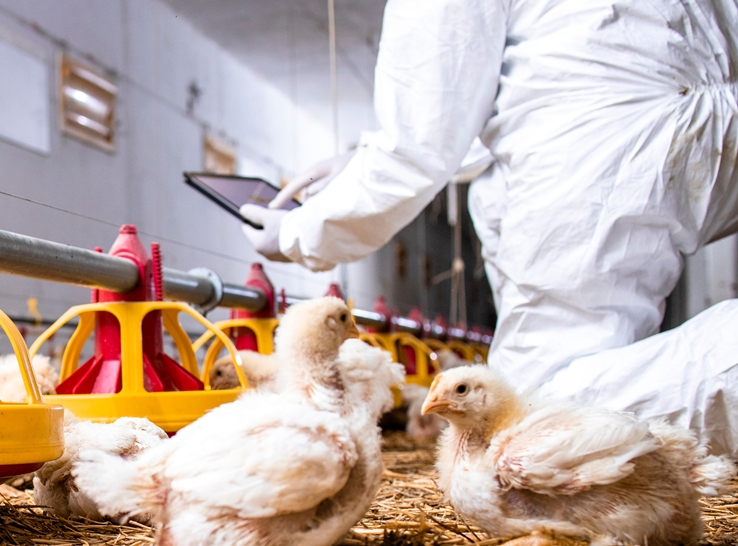
Gallardo said hatcheries can maximize vaccine effectiveness by focusing on fundamentals, such as maintaining the cold chain, ensuring proper vaccine reconstitution through water-quality management, administering vaccines at the correct time and keeping equipment properly calibrated.
Spray vaccination quality is also important, including droplet size and coverage. Beyond vaccination itself, factors such as egg quality, sanitation, environmental management and monitoring vaccine take all contribute to creating the conditions needed for a strong immune response.
“The message for producers is to go back to the basics and make sure those critical control points are being checked every time,” Gallardo said. “Those management practices are what help ensure the vaccination program performs as intended.”
DOA vaccination highly effective when well managed
While researchers continue to investigate exactly how protection develops in young chicks, including the role of immune memory and the effects of different vaccine delivery methods, the latest findings are helping explain why DOA vaccination remains an important pillar of broiler health.
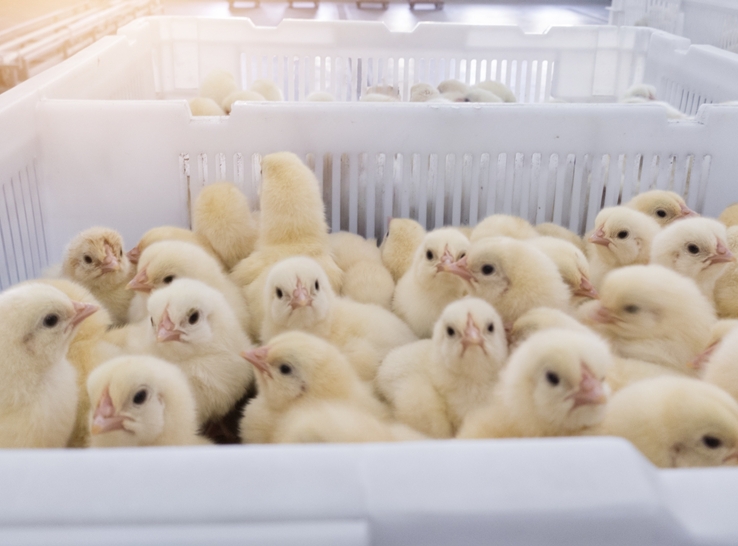
For most producers, vaccinating at DOA is the only economically feasible option, Gallardo said. Modern facilities may hatch millions of birds each week, and chicks generally receive 2 to 4 vaccines before leaving for farms.
“When you have the chicks in the hatchery, it’s much easier. You can control vaccine delivery. If you spray a certain number of milliliters or deliver a certain amount of gel, you make sure that every chicken gets exposed,” he noted.
“Our research offers reassurance that when vaccines are properly administered and supported by good hatchery management, DOA vaccination remains a highly effective tool for protecting flocks,” Gallardo said.
Editor’s note: Content on Modern Poultry’s Industry Insights pages is provided and/or commissioned by our sponsors, who assume full responsibility for its accuracy and compliance.
The post Research sheds light on how chicks develop immunity after DOA vaccination appeared first on Modern Poultry.
Apa Reaksi Anda?
 Suka
0
Suka
0
 Kurang Suka
0
Kurang Suka
0
 Setuju
0
Setuju
0
 Tidak Setuju
0
Tidak Setuju
0
 Bagus
0
Bagus
0
 Berguna
0
Berguna
0
 Hebat
0
Hebat
0