




























Interrupted dark period improves bone strength, eggshell quality in laying hens
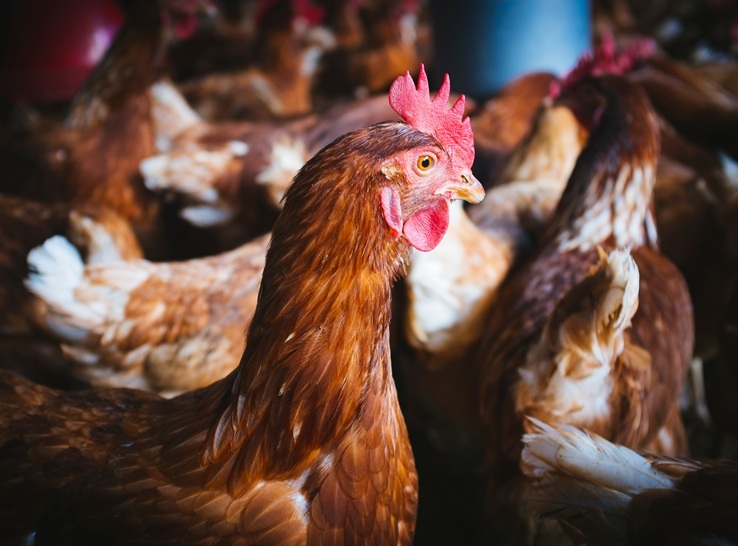
Modern laying hens can produce more than 300 eggs annually. But that level of production comes with a cost — calcium depletion that leads to injury, bone weakness, declining eggshell quality and decreased production.
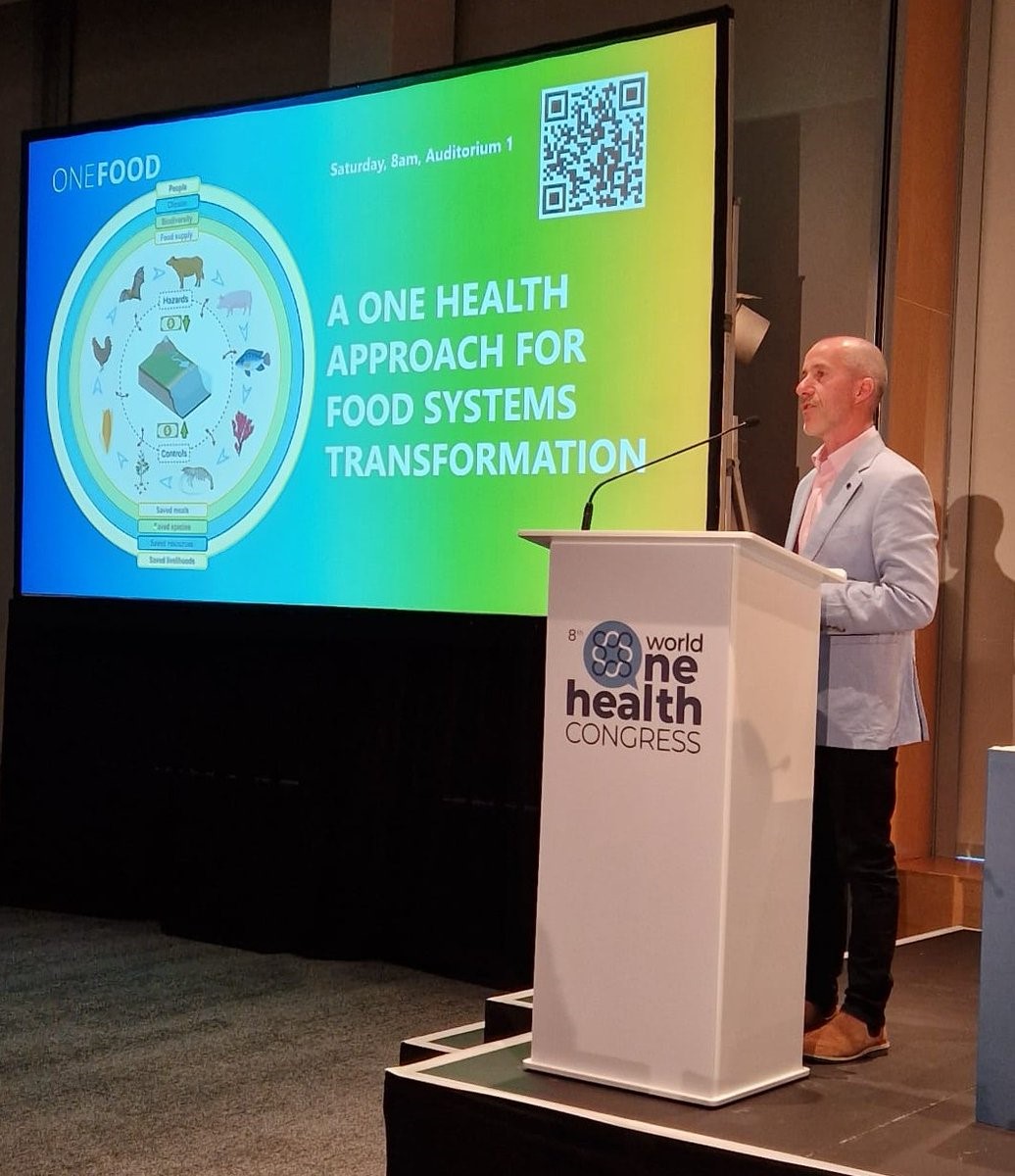
Alexis Millspaugh, PhD, Clemson University, presented her research at the 19th annual Egg Industry Issues Forum, held during the 2026 PEAK conference. “I examined the influence of interrupting the scotophase period (dark phase) on the reduction of calcium withdrawal from structural bone during the night hours, with the potential to improve bone health and production parameters,” she explained.
The project goal was twofold:
- Improve the sustainability of egg-laying operations without negatively impacting bird behavior or welfare.
- Provide safe and affordable eggs by increasing calcium available to the bird without increasing the light hours.
Bone trauma, calcium loss
“We see a high prevalence of bone trauma in commercial housing systems, and with trauma comes pain. We see lower quality production and an increase in financial and welfare concerns among producers and consumers,” Millspaugh noted.
Lighting in the poultry industry is used to regulate daily biological and physiological performance, including reproduction, thermoregulation, immune responses and behavioral responses.
“This creates a need to find appropriate lighting systems to help alleviate high-production pressures,” she said.
The other important factor in this study, besides light, is calcium, Millspaugh noted. Calcium can be supplied through the hen’s diet or derived from their skeleton. About 2.2 grams of calcium are needed for each eggshell, she said, which is about 10% of the total calcium in a hen’s body.
“The continuous use of endogenous calcium coming from skeletal sources throughout the lay cycle promotes the exhaustion of calcium reserves, especially around 55 weeks of age or beyond that. This results in economic losses due to decreased eggshell quality and reduced production.”
Why the bone loss?
Millspaugh explained that the lay cycle is a 24-hour cycle that begins when the yolk is released into the oviduct, and the shell formation requires about 20 hours. But in poultry houses, the typical lighting period is 16 hours with 8 hours of darkness. Birds are not active and don’t eat when the lights are off.
“Eggshell formation does occur during nighttime hours when the hens are not consuming feed. This poses a problem because the bird’s GI tract becomes empty after approximately 4 hours,” she explained.
After the hen’s gut is empty, they have no other option than to reabsorb calcium from bones.
“Importantly, an empty GI tract is devastating to the hen during eggshell calcification,” Millspaugh said. She added that the lack of dietary calcium intake during the dark phase is responsible for osteoporosis and inferior eggshell quality in modern laying hens, ultimately reducing profitability.
Millspaugh’s investigation centered around one question: Could a short interruption in the dark phase — without increasing the total amount of light hours — encourage hens to eat, thus replenishing calcium for eggshell formation and reducing bone loss?
Testing a new lighting strategy
The study used 396 Hy-Line W36 hens from 20 to 70 weeks of age with three lighting strategies:
- Control: 16 hours light, 8 hours darkness
- W1 treatment: 15 hours light, 4 hours darkness, 1 hour light and 4 hours darkness
- W2 treatment: 14 hours light, 4 hours darkness, 2 hours light and 4 hours darkness
Blood, bone demineralization, CT scans, bone biomechanical properties and ash percentages were examined. Millspaugh also assessed serum parameters, total serum calcium, TRACP-5B and CTX1.
“TRACP-5B is a specific serum enzyme marker released by osteoclasts, so it indicates bone resorption. CTX1, a serum marker released during collagen breakdown, also indicates bone resorption,” she explained.
Measurements were taken at 20, 30, 50 and 70 weeks for 3 consecutive days each week through week 70.
Stronger bones, better calcium status
All hens began the study with similar calcium concentrations. Throughout the study, birds whose dark phase was interrupted maintained higher calcium levels than the control hens. As expected, the control hens showed progressive calcium loss.
“We attributed this loss to a lack of time to replenish calcium reserves due to the continuous withdrawal of calcium during eggshell formation,” she said. “W1 and W2 hens showed a decrease in calcium concentrations by week 70 but at a much slower rate than the control pen.”
The results of the TRACP-5B and CTX-1 analyses demonstrated that the treatment birds used the dietary calcium during eggshell formation rather than depleting their calcium reserves.
“At week 20, all birds had similar TRACP-5B and CTX-1 concentrations. From there, the control hens showed higher concentrations of TRACP-5B and CTX-1 than the treatment group, indicating a greater rate of bone demineralization.”
The CT scans revealed that the control hens consistently had lower bone mineral density and smaller cortical bone areas than birds receiving interrupted scotophase schedules. By week 70, the control hens’ bones were compromised, showing less stiffness and strength.
Summarizing the study results, Millspaugh said, “Birds given daily nighttime interruption showed significantly improved bone health. This suggests that nighttime feed availability encourages birds to eat, thereby replacing exogenous calcium in the gut and allowing higher serum calcium levels during eggshell formation.”
Egg production, quality
The study revealed that interrupting the dark phase benefited the birds’ skeletal system, but Millspaugh took things a step further by examining changes in egg quality and production.
“We looked at blood analysis, production, daily egg production performance with feed intake and egg quality at 20, 30, 50 and 70 weeks,” she said.
Results showed that the lighting intervention produced benefits here as well, especially during late lay. Eggs from control hens showed a higher incidence of damage and poorer shell quality when shell thickness, strength and weight were measured. Again, the research team suspected that this resulted from lower calcium availability.
Egg production remained higher in older W1 and W2 hens than in their control counterparts. “The treated hens had longer production sustainability than the controls,” she said.
Millspaugh noted that efficiency remained, as overall production was maintained or improved and the average feed intake and feed-conversion ratio didn’t differ significantly among treatments.
Key takeaways
Millspaugh’s research revealed several positive attributes to interrupting extended dark periods, including:
- Improved overnight blood calcium levels
- Reduced bone reabsorption
- Stronger bones and higher bone mineral density
- Improved eggshell strength and thickness
- Fewer damaged eggs
- Higher late-lay production
| Measurement | Control hens | W1 and W2 |
| Overnight calcium levels | Lower | High |
| Bone reabsorption markers | Higher | Reduced |
| Bone mineral density | Lower | Higher |
| Bone strength and stiffness | Weaker | Stronger |
| Eggshell thickness | Lower | Improved |
| Eggshell strength | Lower | Improved |
| Damaged eggs | Higher | Fewer |
| Late-lay production | Declined faster | Better persistence |
| Feed conversion | Similar | Similar |
Producer takeaways
Nighttime light interruptions encourage laying hens to eat, reducing the need to scavenge calcium from bone, ultimately improving eggshell quality and extending their productive life.
The post Interrupted dark period improves bone strength, eggshell quality in laying hens appeared first on Modern Poultry.
Apa Reaksi Anda?
 Suka
0
 Kurang Suka
0
 Setuju
0
 Tidak Setuju
0
 Bagus
0
 Berguna
0
 Hebat
0