
















































Vitamin B7 (Biotin): Benefits, Foods, Deficiency, and Lab-Test Interactions


Biotin may be the most typecast member of the B-vitamin family.
Most people meet vitamin B7 in the beauty aisle, surrounded by promises about thicker hair, stronger nails, and glowing skin. Yet biotin’s established role begins deeper inside cells: it helps enzymes process fats, glucose, and amino acids.
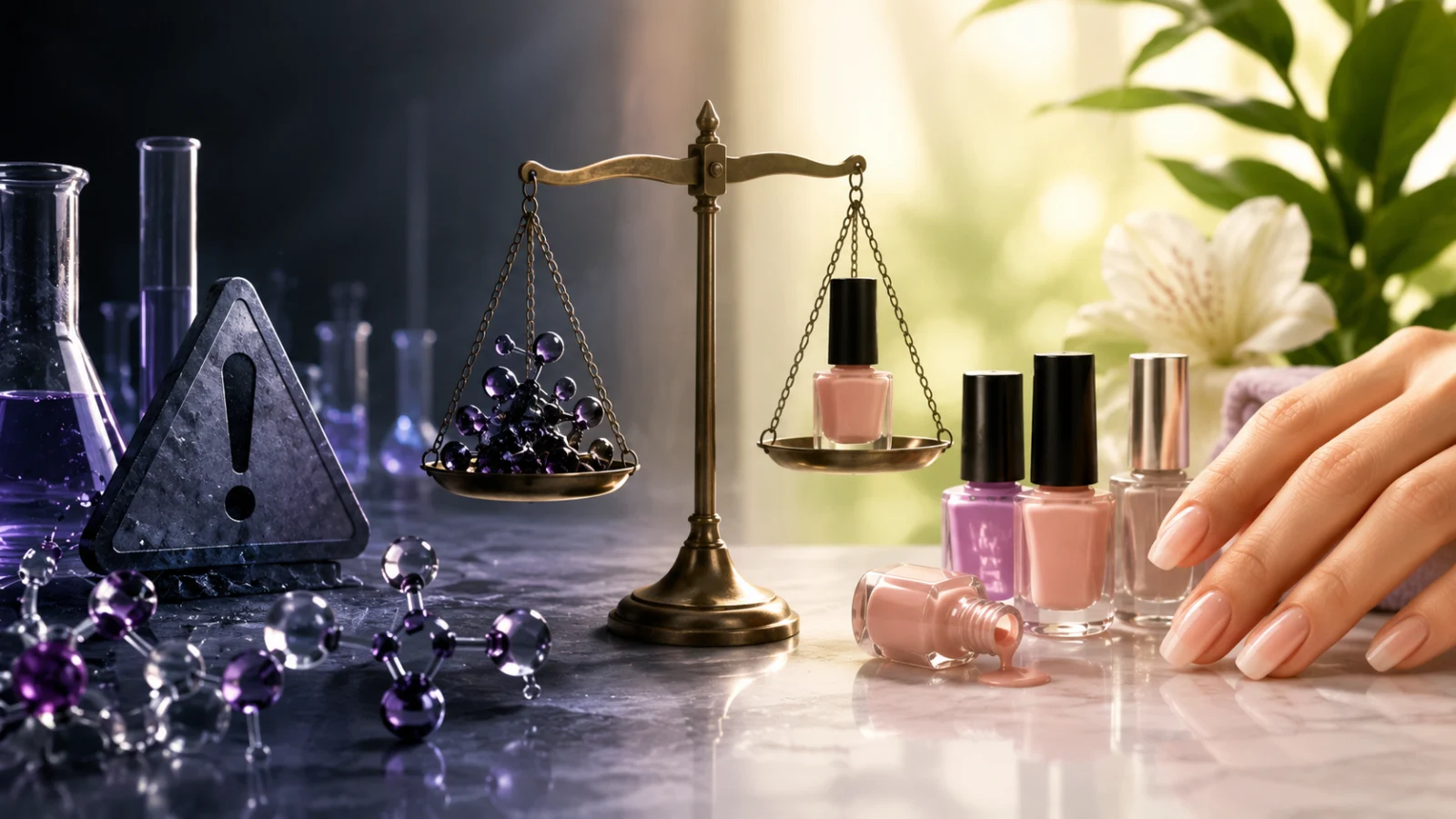
And there is an important twist. High supplemental biotin may not be overtly toxic, but it can distort certain laboratory results—with potentially serious consequences.
Quick answer: Biotin is vitamin B7, a water-soluble nutrient that serves as a cofactor for five enzymes involved in fatty-acid, glucose, and amino-acid metabolism. Adults have an Adequate Intake of 30 mcg per day. Evidence that extra biotin improves hair, skin, or nails in people without deficiency is limited.
What is biotin?
Biotin is an essential water-soluble B vitamin used by five carboxylase enzymes. These enzymes catalyze important steps in metabolism.
Biotin in food is often bound to protein. Digestive enzymes release it so free biotin can be absorbed in the small intestine. The vitamin also participates in gene regulation and cell signaling, although these functions do not justify every claim made for high-dose supplements.
What does biotin do in the body?
Biotin helps enzymes metabolize fatty acids, glucose, and amino acids. It therefore supports normal energy metabolism without acting as a stimulant or providing energy itself.
Its five carboxylase partners contribute to processes including:
- Fatty-acid synthesis
- Glucose production when needed
- Breakdown of certain amino acids
- Metabolism of odd-chain fatty acids
The NIH Office of Dietary Supplements provides the technical detail behind these roles.
Does biotin help hair grow?
Biotin deficiency can cause hair thinning, rash, and brittle nails, but evidence that extra biotin improves hair in people with adequate status is limited.
Most supportive reports involve people with an underlying deficiency, inherited disorder, or specific nail condition. Large, well-controlled trials in healthy adults are lacking.
Hair shedding and thinning can result from genetics, thyroid disease, iron deficiency, hormonal changes, illness, calorie restriction, medications, scalp conditions, and other factors. A “hair vitamin” can delay finding the real cause if it becomes a substitute for evaluation.
How much biotin do adults need?
An RDA has not been established because evidence is insufficient. The National Academies set an Adequate Intake.
Life stage
Adequate Intake
Adults, age 19+
30 mcg
Pregnancy
30 mcg
Lactation
35 mcg
The U.S. Daily Value is 30 mcg for adults and children age four and older.
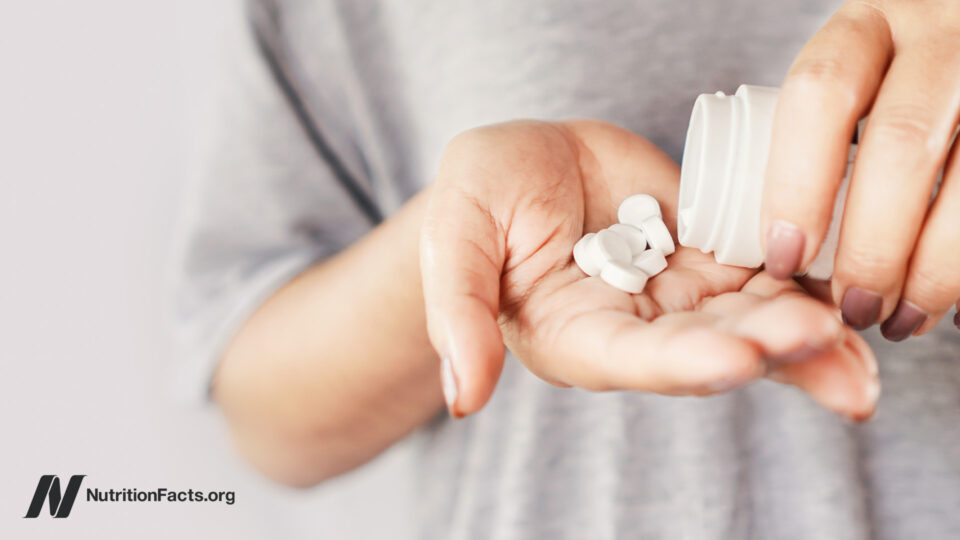
Many hair supplements provide thousands of micrograms—dozens or hundreds of times the AI. That gap is important when considering laboratory interference.
Which foods contain biotin?
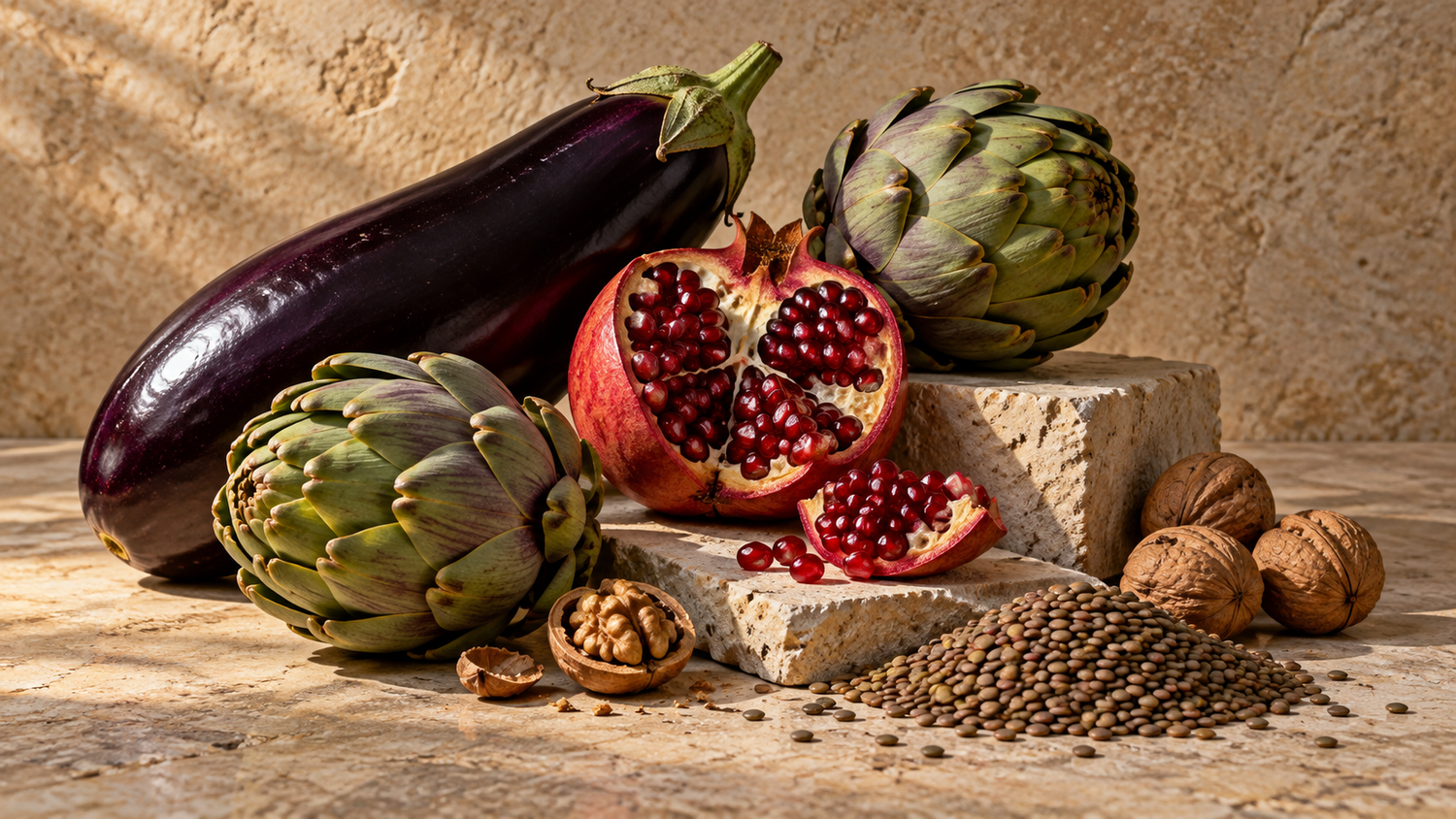
Cooked eggs, organ meats, fish, meat, seeds, nuts, and sweet potatoes provide biotin. Many other foods contain smaller amounts.
Food
Typical serving
Approximate biotin
Beef liver, cooked
3 ounces
30.8 mcg
Egg, whole and cooked
1 large
10 mcg
Salmon, canned
3 ounces
5 mcg
Pork chop, cooked
3 ounces
3.8 mcg
Sunflower seeds
¼ cup
2.6 mcg
Sweet potato, cooked
½ cup
2.4 mcg
Almonds
¼ cup
1.5 mcg
Biotin food databases are less complete than those for many other nutrients, and amounts can vary by variety and processing.
Do raw egg whites block biotin?
Raw egg whites contain avidin, a protein that binds biotin and can reduce absorption. Cooking denatures avidin. Occasional raw egg white is different from consuming large quantities regularly, but cooked eggs are the safer nutritional choice for several reasons.
What are signs of biotin deficiency?
Biotin deficiency is rare. When it occurs, it can affect the skin, hair, nails, and nervous system.
Associated findings can include:
- Thinning hair or hair loss
- A scaly red rash around the eyes, nose, mouth, or other openings
- Brittle nails
- Conjunctivitis
- Lethargy or depression
- Tingling sensations
- Seizures or developmental problems in severe pediatric cases
These findings are not specific to biotin. Diagnosis requires appropriate medical assessment.
Who may be at greater risk?
Higher-risk situations include the rare inherited disorder biotinidase deficiency, chronic alcohol exposure, and possibly pregnancy or lactation, when marginal biochemical changes can occur despite ordinary intake.
Newborn screening identifies biotinidase deficiency in many countries because early lifelong medical treatment can prevent serious complications.
How can biotin interfere with blood tests?
Supplemental biotin can cause falsely high or falsely low results in laboratory tests that use biotin-streptavidin technology. Affected assays can include some tests for thyroid hormones, troponin, vitamin D, and other analytes.
The FDA warns that biotin interference can lead to incorrect results that go undetected. Falsely low troponin is particularly concerning because troponin is used when evaluating possible heart attacks.
Practical steps:
- Tell the clinician and laboratory about every supplement containing biotin.
- Do not assume a multivitamin, B complex, hair product, or energy blend is irrelevant.
- Do not choose a universal “stop for 24 hours” rule on your own; the appropriate interval depends on dose, kidney function, and the assay.
- Follow the ordering clinician or laboratory’s instructions.
In an emergency, do not delay care because you took biotin. Tell the medical team immediately.
Is too much biotin harmful?
No tolerable upper intake level has been established because direct toxicity has not been demonstrated at typical supplemental exposures. Laboratory interference remains a real safety risk even without classic toxicity.
This is a perfect example of why “water soluble” and “no UL” do not mean “consequence free.”
Biotin alone or a B complex?
Biotin functions within a wider nutrient network. For adults who want broad B-vitamin coverage rather than a high-dose beauty product, a complete complex may be a more balanced concept—provided total amounts fit the person’s needs.
Purality Health Active B Complex combines all eight recognized B vitamins with five trace minerals and four electrolytes in a liquid micelle-liposomal formula. Anyone using it should include its biotin amount when speaking with clinicians and laboratories.
Frequently asked questions about biotin
Is biotin the same as vitamin B7?
Yes. Biotin is vitamin B7.
Does biotin make hair grow faster?
Correcting a true deficiency can help deficiency-related hair changes. Evidence for extra biotin in otherwise healthy, biotin-replete adults is limited.
Can biotin affect thyroid tests?
Yes. High supplemental intake can interfere with some thyroid assays and create falsely normal or abnormal results.
How long should I stop biotin before a blood test?
There is no safe universal answer. Dose, assay, timing, and individual clearance matter. Ask the ordering clinician or testing laboratory.
Why is biotin included in a B complex?
Biotin is one of the eight recognized B vitamins and supports normal macronutrient metabolism.
Can I get enough biotin from food?
Most people appear to obtain adequate amounts from varied diets containing eggs, meat or fish, seeds, nuts, vegetables, and other foods.
The bottom line
Biotin’s real story is metabolism, not merely beauty. It helps five enzymes process fats, glucose, and amino acids. Deficiency can affect hair, skin, nails, and the nervous system—but deficiency is rare, and evidence for high-dose beauty supplementation in healthy people is weak.
The most important practical point is easy to miss: always disclose biotin before laboratory testing.
Interested in biotin within a complete B complex? Explore Purality Health Active B Complex, which includes all eight recognized B vitamins in a liquid micelle-liposomal formula. Remember to disclose every biotin-containing supplement before laboratory testing.
Sources
- NIH Office of Dietary Supplements: Biotin—Fact Sheet for Health Professionals
- FDA: Biotin Interference with Troponin Lab Tests
- USDA FoodData Central
- FDA: Dietary Supplements
The post Vitamin B7 (Biotin): Benefits, Foods, Deficiency, and Lab-Test Interactions appeared first on Purality Health® Liposomal Products.
What's Your Reaction?
 Like
0
Like
0
 Dislike
0
Dislike
0
 Agree
0
Agree
0
 Disagree
0
Disagree
0
 Excellent
0
Excellent
0
 Useful
0
Useful
0
 Great
0
Great
0